
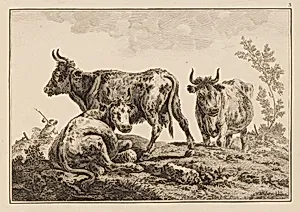
Plate 3, from "Cahier de Six Feuilles de Boeufs et Vaches"
Classification
Department
Smithsonian Collection
Museum
Smithsonian American Art Museum
Credit
Gift of Eleanor and Sarah Hewitt
Accession Number
1920-36-250
Rights
Public Domain
About this artwork
Research in Progress
Art Historical Context
Jean-Baptiste Pillement (1728–1808), a versatile French Rococo artist renowned for his delicate landscapes, floral motifs, and chinoiserie designs, created *Plate 3* from the *Cahier de Six Feuilles de Boeufs et Vaches* in 1771. This belongs to a rare sketchbook series—"notebook of six sheets of oxen cows"—showcasing Pillement's meticulous studies of livestock. Active across Europe in courts from Warsaw to Lisbon, Pillement bridged ornamental painting and printmaking, producing works that influenced decorative arts during the waning Rococo era. As Plate 3 in this intimate cahier, the artwork likely captures the graceful forms and textures of cattle, rendered with Pillement's signature fluidity and attention to natural detail. Prints like these served dual purposes: artistic exercises for artists and practical references for engravers or tapestry designers, reflecting 18th-century fascination with pastoral life amid France's agrarian economy. Housed in the Smithsonian American Art Museum as a gift from Eleanor and Sarah Hewitt, this piece underscores Pillement's enduring legacy in graphic arts. Though research continues, it invites visitors to appreciate the quiet elegance of everyday subjects elevated through masterful draftsmanship.