
Plate
Unknown Artist
Medium
Painted enamel
Dimensions
Diam. 4 in. (10.2 cm)
Classification
Enamels
Culture & Period
China · Qing dynasty (1644–1911), Qianlong period (1736–95)
Department
Asian Art
Museum
Metropolitan Museum of Art, New York, NY
Credit
Bequest of Mary Clark Thompson, 1923
Accession Number
24.80.412
Rights
Public Domain
Tags
Art Historical Context
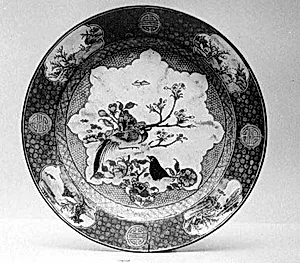
This exquisite painted enamel plate, hailing from China's Qing dynasty during the Qianlong period (6–95), exemplifies era's mastery of luxury decorative arts. Measuring just 4 inches in diameter, this small yet intricate object was likely crafted for elite use, perhaps as part of a scholar's desk set or a ceremonial dish. The Qianlong reign marked a golden age of imperial patronage, where workshops in Beijing and Jingdezhen produced enamels blending Chinese traditions with subtle European influences, such as the translucent glazing techniques adapted from cloisonné. Adorned with delicate motifs of birds amid blooming flowers and lush plants, the plate captures the Qing fascination with nature's harmony. These recurring themes—birds symbolizing freedom and joy, flowers evoking prosperity and renewal—hold deep cultural resonance in Chinese art, often wishing longevity and good fortune upon the viewer. Painted enamel, fusing finely ground glass colors fired onto a metal base (likely copper), allowed for vibrant, jewel-like hues and subtle shading that mimicked porcelain painting, showcasing technical virtuosity. Now in the Metropolitan Museum of Art's Asian Art collection, thanks to the 1923 bequest of Mary Clark Thompson, this anonymous masterpiece invites us to ponder the anonymous artisans whose skill elevated everyday forms into timeless treasures.