
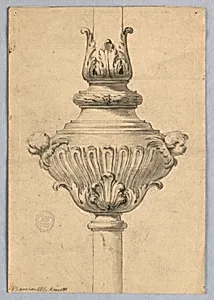
Project for the Knob of a Processional Knot
1750–1775
Medium
metalwork
Classification
metalwork
Department
Smithsonian Collection
Museum
Smithsonian American Art Museum
Credit
Museum purchase through gift of various donors
Accession Number
1901-39-1117
Rights
Public Domain
About this artwork
Research in Progress
Art Historical Context
This intriguing artifact, titled *Project for the Knob of Processional Knot*, dates to 1750–1775 and hails from the Smithsonian American Art Museum's collection of metalwork. Crafted by an unknown artist, it represents a finely executed piece of 18th-century American metalwork, acquired through museum purchase with gifts from various donors. a "project," it served as a prototype or design model for a decorative knob adorning a processional knot—a ceremonial cord or sash used in religious civic, or fraternal parades common in colonial America. In the mid-1700s, such metalwork embodied the skilled craftsmanship of colonial silversmiths and metal artisans, who drew from European traditions while adapting to local needs. Processional knots were symbols of community and ritual, often seen in Masonic lodges, militia marches, or church festivities, making this knob a functional yet ornate accent that elevated everyday ceremony into art. The medium's durability—polished metals like silver or brass—ensured longevity, reflecting the era's emphasis on enduring symbols of status and piety. Though research continues, this piece offers a window into America's emerging material culture, where humble hardware became emblems of tradition. Visitors might ponder its role in a torchlit parade, gleaming under lantern light—a testament to the anonymous makers who shaped early national identity.
About the Artist
Unknown
The artist designated as "Unknown" in our virtual museum's collection exemplifies a poignant chapter in art history: creators whose identities have faded into obscurity despite the enduring power of their work. With only one known artwork attributed to them in our holdings, this figure represents countless anonymous hands that shaped visual culture across centuries. Museums worldwide, including th...