
right elbow
Unknown Artist
ca. 1353–1336 B.C.
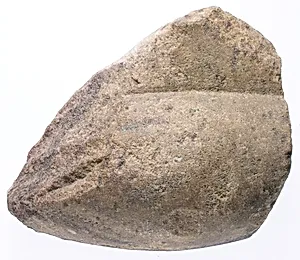
Medium
Red quartzite
Dimensions
H. 10.8 × W. 13.5 × D. 4.3 cm (4 1/4 × 5 5/16 × 1 11/16 in.)
Classification
Right elbow
Period
New Kingdom, Amarna Period
Department
Egyptian Art
Museum
Metropolitan Museum of Art, New York, NY
Credit
Harris Brisbane Dick Fund, 1957
Accession Number
57.180.157
Rights
Public Domain
Art Historical Context
This intriguing fragment, known simply as *Right Elbow*, hails from ancient Egypt's New Kingdom during the Amarna Period (. 1353–1336 B.C.), a era under Pharaoh Akhenaten's Eighteenth Dynasty rule. Carved from vibrant red quartzite—a tough, durable stone prized for its rich color evoking life-giving blood and solar power—this small piece (just 10.8 cm high) is likely part of a larger statue, depicting a royal figure or elite individual in a dynamic pose. The Amarna Period marked a bold artistic shift from Egypt's rigid, idealized forms to more naturalistic, elongated proportions influenced by Akhenaten's monotheistic worship of the sun god Aten. Sculptors mastered hard stones like quartzite using copper tools and abrasives, achieving smooth contours and subtle muscle definition that suggest movement and vitality. Though incomplete, this elbow captures the period's innovative anatomy, blending realism with symbolic exaggeration. Displayed in the Metropolitan Museum of Art's Egyptian Art department (acquired via the Harris Brisbane Dick Fund in 1957), it offers a tantalizing glimpse into a transformative time when art challenged conventions, reflecting profound cultural and religious upheaval. Visitors, imagine the full statue it once adorned—perhaps striding in eternal devotion!