
Sanokawa Mangiku
1718
Medium
paper
Dimensions
148; 265
Rights
Public Domain
About this artwork
height 265 mm
Art Historical Context
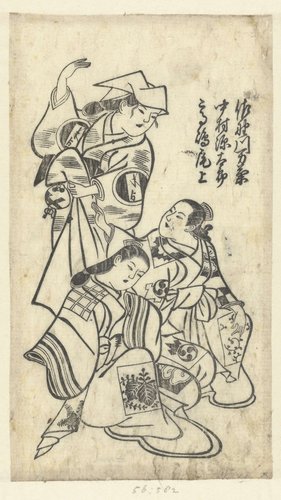
"Sanokawa Mangiku is a delicate artwork from 1718, created anonymously on paper and measuring a compact 265 mm in by 148 mm in width. This intimate scale suggests it may have been designed as an album leaf, handscroll section, or personal keepsake, common in Edo-period Japan (1603–1868), when such portable pieces allowed art lovers to savor beauty in private moments. Created during the vibrant Genroku era's aftermath, the work emerges from a time when ukiyo-e—the "pictures of the floating world"—captured the fleeting pleasures of urban life in cities like Edo (modern Tokyo). The title, evoking a poetic feminine name tied to the Sanokawa River, likely depicts a courtesan or beauty from the pleasure districts, embodying ideals of grace and transience central to Japanese aesthetics. Anonymous authorship points to collaborative workshops or lesser-known artists producing affordable, accessible art for a growing merchant class. Rendered on paper, a versatile medium prized for its absorbency, the piece would have employed traditional techniques like ink washes, mineral pigments, and gold flecks, fostering luminous effects. Its cultural significance lies in preserving the era's fascination with bijin-ga (beautiful women portraits), offering a window into 18th-century Japan's social tapestry and artistic ingenuity.
About the Artist
anonymous
In the vast tapestry of art history, "Anonymous" stands not as a singular individual but as a collective designation for countless unidentified creators whose works have endured across millennia. These artists, spanning prehistoric cave painters to medieval illuminators and folk craftsmen, produced the foundational layers of human visual culture. Prior to the Renaissance, when individual fame emer...