
Saucer
Unknown Artist
18th century
Medium
Stonepaste; polychrome painted under transparent glaze
Dimensions
H. 1 in. (2.5 cm) Diam. 5 1/8 in. (13 cm) Wt. 2.8 oz. (79.4 g)
Classification
Ceramics
Department
Islamic Art
Museum
Metropolitan Museum of Art, New York, NY
Credit
Purchase by subscription, 1879
Accession Number
79.2.1386
Rights
Public Domain
Tags
Art Historical Context
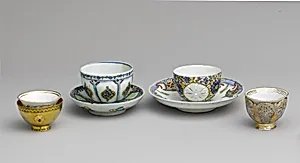
This delicate 18th-century sa, crafted from stonepaste—a fine ceramic body developed in the Islamic world as a porcelain substitute—exemplifies the exquisite pottery traditions of the period. Measuring just 1 inch high and 5⅛ inches in diameter, its lightweight form (2.8 oz.) made it ideal for everyday use, perhaps holding tea, coffee, or sweets in bustling households. The vibrant polychrome decoration, painted beneath a transparent glaze before firing, ensured the colors remained vivid and durable, a hallmark technique that protected intricate designs from wear. Housed in the Metropolitan Museum of Art's Islamic Art Department since its purchase by subscription in 1879, this saucer reflects the height of Ottoman or Persian ceramic artistry. Stonepaste allowed artisans to achieve a porcelain-like translucency and strength, while underglaze painting enabled bold blues, greens, and reds inspired by nature, calligraphy, or geometric motifs—though specifics here remain a tantalizing mystery due to the unknown artist. For visitors, this unassuming piece whispers of opulent 18th-century Islamic courts and markets, where such wares blended utility with beauty, bridging art and daily life across cultures. A testament to enduring craftsmanship, it invites us to savor the subtle elegance of the past.