
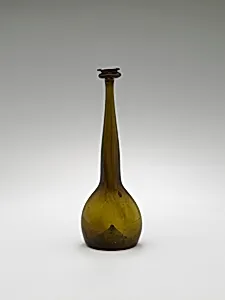
Sprinkler
Unknown Artist
17th–18th century
Medium
Glass; blown
Dimensions
H. 8 15/16 in. (22.7 cm) Max. Diam. 2 15/16 in. (7.5 cm)
Classification
Glass
Department
Islamic Art
Museum
Metropolitan Museum of Art, New York, NY
Credit
Edward C. Moore Collection, Bequest of Edward C. Moore, 1891
Accession Number
91.1.1542
Rights
Public Domain
Art Historical Context
### Sprinkler Step into the enchanting world of Islamic Art at the Metropolitan Museum Art, where the delicate *Sprinkler* from the17th–18th captivates with its graceful form. Standing at 8 15/16 inches and just under 3 inches in maximum diameter, this blown glass vessel exemplifies the refined craftsmanship of its era. Produced by an unknown artist, belongs to the Edward C. Moore Collection,athed in 1891, highlighting the Met's rich holdings in Islamic decorative arts. In Islamic culture, sprinklers like this were essential tools for hospitality and ritual, used to mist rosewater or perfumes over guests, linens, or spaces during gatherings and prayers. The blown glass technique—creating thin, lightweight walls through skillful inflation of molten glass—allowed for elegant, functional shapes that balanced utility with beauty. This method, perfected in the Islamic world from medieval times, produced objects that were both everyday luxuries and symbols of refinement. Though modest in scale, the *Sprinkler's* slender silhouette and precise proportions reflect the period's aesthetic ideals, where transparency and simplicity evoked purity and elegance. A testament to anonymous mastery, it invites us to appreciate how everyday items carried profound cultural weight in Ottoman or Safavid societies, blending artistry with sensory delight.