
Swept frame
Unknown Artist
ca. 1740–45
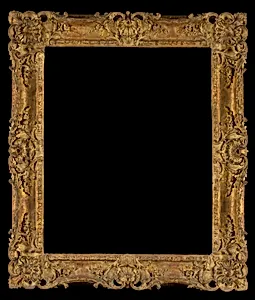
Medium
Oak lower moldings and feather keys; lime upper moldings. Carved, gilt; orange-brown bole.
Dimensions
Overall: 45 1/4 × 38 in. (115 × 96.5 cm) Sight: 33 1/8 × 26 15/16 in. (84.2 × 68.5 cm) Rabbet: 34 7/8 × 28 1/2 in. (88.6 × 72.4 cm)
Classification
Frames
Culture
French
Department
Robert Lehman Collection
Museum
Metropolitan Museum of Art, New York, NY
Credit
Robert Lehman Collection, 1975
Accession Number
1975.1.2538
Rights
Public Domain
Art Historical Context
Step into the opulent world of 18th-century decorative arts with this exquisite *Swept frame*, crafted around 1740–45. Housed in the Robert Lehman Collection at The Metropolitan Museum of Art, frame exemplifies the lavish framing traditions of the Louis XV era, when picture frames were not mere supports but integral artworks designed to paintings. Measuring 45 × 38 inches overall, its sweeping, curved profile—known asswept"—creates dynamic movement, harmonizing with the flowing motifs of Rococo interiors. Masterfully constructed from oak for the sturdy lower moldings and feather keys, and lighter lime for the upper sections, the frame showcases expert carving techniques. It is then gilded over an orange-brown bole—a clay-like adhesive that provides a warm undertone to the gold leaf, ensuring a luminous, jewel-like finish. These materials and methods were hallmarks of high-end Parisian workshops, where frames were custom-made to complement aristocratic portraits or landscapes. Though the artist remains unknown, this frame's survival highlights the craftsmanship of France's frame-making guilds. It invites us to appreciate how such objects framed not just canvases, but the grandeur of Enlightenment-era luxury, bridging art and architecture in grand salons. (198 words)