
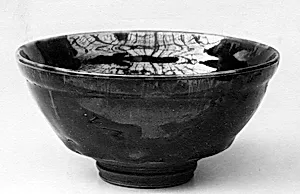
Teabowl
Unknown Artist
ca. 1850
Medium
Clay with glaze (Izumo ware)
Dimensions
H. 2 3/8 in. (6 cm); Diam. 4 7/8 in. (12.4 cm)
Classification
Ceramics
Culture & Period
Japan · Edo period (1615–1868)
Department
Asian Art
Museum
Metropolitan Museum of Art, New York, NY
Credit
The Howard Mansfield Collection, Gift of Howard Mansfield, 1936
Accession Number
36.120.506
Rights
Public Domain
Art Historical Context
This delicate teabowl, crafted around 1850 during Japan's Edo period (1615–8), exemplifies the refined artistry of Izumo ware from the Izumo region. Standing just 2⅜ inches high and 4⅞ inches in diameter, it is formed from clay and glazed, embodying the modest scale perfect for the intimate Japanese tea ceremony, or *chanoyu*. As part of the Metropolitan Museum Art's Asian Art collection it entered through the renowned Howard Mansfield Collection in 1936, reflecting early Western fascination with Japanese ceramics. Izumo ware, produced in what is now Shimane Prefecture, gained prominence in the late Edo era for its earthy, functional beauty amid a booming tea culture. Teabowls like this one were essential utensils, designed not for ostentation but to enhance the ritual's meditative rhythm—holding matcha whisked to a frothy perfection. The anonymous potter's skill in glazing and firing highlights the period's mastery of kilns, where subtle imperfections celebrated *wabi-sabi*, the aesthetic of humble transience. Though the artist remains unknown, this teabowl captures Edo Japan's peaceful prosperity, when urban merchants elevated everyday ceramics to objects of philosophical depth. Visitors, imagine its warm weight in your hands, bridging centuries of serene tradition.