
Teapot
ca. 1838
Medium
metalwork
Classification
metalwork
Department
Smithsonian Collection
Museum
Smithsonian American Art Museum
Credit
Gift of Arthur Ross
Accession Number
1980-76-1
Rights
Public Domain
About this artwork
Research in Progress
Art Historical Context
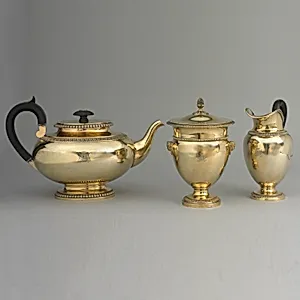
This elegant teapot, crafted around 1838, exemplifies the artistry of early 19th-century American metalwork. Housed in the Smithsonian American Museum as part of the Smithsonian Collection, it was generously donated by Arthur Ross. With its artist unknown and research ongoing, the piece invites us to appreciate the skilled, anonymous craftsmen who produced functional yet beautiful household objects during a time of growing industrial innovation in the United States. Dating to the antebellum era, this metalwork teapot reflects the cultural prominence of tea drinking in American homes, where such vessels served both practical and decorative purposes. Metalwork techniques of the period—likely involving hammering, chasing, or casting—highlighted the transition from handmade traditions to emerging mechanized production, blending utility with subtle ornamentation. Teapots like this often symbolized hospitality and social status, gracing parlors across the young nation. Though details are still emerging, this teapot stands as a quiet testament to everyday artistry in 1830s America, reminding visitors of the unsung makers whose work enriched domestic life. A closer look reveals the enduring appeal of objects that unite form, function, and history. (198 words)
About the Artist
Unknown
The artist designated as "Unknown" in our virtual museum's collection exemplifies a poignant chapter in art history: creators whose identities have faded into obscurity despite the enduring power of their work. With only one known artwork attributed to them in our holdings, this figure represents countless anonymous hands that shaped visual culture across centuries. Museums worldwide, including th...