
Textile Fragment
Unknown Artist
3rd–5th century
Medium
Wool; plain weave
Dimensions
H. 23 3/4 in. (60.3 cm) W. 16 1/4 in. (41.3 cm)
Classification
Textiles
Department
Islamic Art
Museum
Metropolitan Museum of Art, New York, NY
Credit
Purchase by subscription, 1889
Accession Number
89.18.164
Rights
Public Domain
Art Historical Context
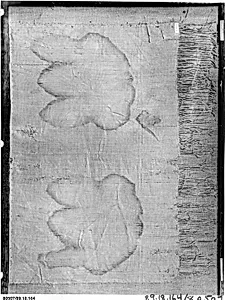
This exquisite *Textile Fragment*, dating to the 3rd–5th century, offers a rare glimpse into the sophisticated textile traditions of the early Islamic world. Crafted from wool using a plain weave—a fundamental technique where warp and weft threads interlace in a simple over-under pattern—this fragment measures 23 3/4 by 16 1/4 inches (60.3 by 41.3 cm). Acquired by the Metropolitan Museum of Art through a subscription purchase in 188, it resides in the museum's Islamic Art department, the enduring legacy of pre-Islamic weaving practices in regions like Egypt or the Near East. Plain weave was prized for its durability and versatility, ideal for garments, furnishings, and trade goods along ancient Silk Road routes. Wool, a resilient natural fiber, allowed for vibrant dyes and intricate patterns, though this fragment's surviving motifs evoke the geometric and floral designs common in early textiles. Its preservation underscores the challenges of conserving organic materials, providing invaluable evidence of everyday artistry and craftsmanship. As a testament to cultural exchange, this piece bridges late antique and emerging Islamic aesthetics, where textiles served not just practical purposes but also as symbols of status and spirituality. Visitors can marvel at how such humble fragments reveal the ingenuity of unknown artisans from over 1,500 years ago.