
Textile Fragment
Unknown Artist
10th–11th century
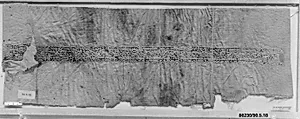
Medium
Linen, silk; plain weave, embroidered
Dimensions
Max. H. 5 3/4 in. (14.6 cm) Max W. 21 3/4 in. (55.2 cm)
Classification
Textiles-Embroidered
Department
Islamic Art
Museum
Metropolitan Museum of Art, New York, NY
Credit
Gift of George F. Baker, 1890
Accession Number
90.5.18
Rights
Public Domain
Art Historical Context
This exquisite Textile Fragment, dating to the 10th–11th century, hails from the Islamic world and exemplifies the refined craftsmanship of medieval textile arts. Crafted from linen and silk using a plain weave foundation and intricate embroidery, it reflects the era's mastery of luxurious materials. Silk, often imported along trade routes like the Silk Road, added a shimmering prestige, while embroidery allowed artisans to create detailed patterns symbolizing cultural motifs such as geometry or flora—hallmarks of Islamic design that avoided figurative representation in sacred contexts. In the Islamic Art tradition, embroidered textiles were not mere decoration but status symbols, adorning garments, turbans, or ceremonial hangings. Surviving fragments like this one, measuring just 5¾ by 21¾ inches, offer rare glimpses into daily opulence and skilled labor, likely produced in urban workshops of regions like Fatimid Egypt or Abbasid Iraq. The plain weave provided a sturdy base for durable embroidery stitches, ensuring longevity despite the fragility of time. A generous gift to the Metropolitan Museum of Art from George F. Baker in 1890, this piece invites visitors to appreciate the tactile beauty and historical depth of Islamic textiles, bridging ancient artistry with our modern gaze.