
Textile
1785–95
Classification
printed, dyed & painted textiles
Department
Smithsonian Collection
Museum
Smithsonian American Art Museum
Credit
Museum purchase through gift of Mrs. John Innes Kane
Accession Number
1953-19-3-a,b
Rights
Public Domain
About this artwork
Research in Progress
Art Historical Context
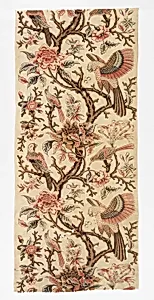
This exquisite *Textile* from 1785–95, in the Smithsonian American Art Museum, exemplifies the artistry of printed, dyed, and painted fabrics during the early years of the American republic. Created by an unknown artist, it reflects a time when textiles were essential to daily life, adorning homes, clothing families, and symbolizing emerging national identity just a decade after the Revolutionary War. Acquired through a museum purchase funded by the gift of Mrs John Innes Kane, joins the Smithsonian Collection as a tangible link to 18th-century craftsmanship. The classification highlights sophisticated techniques: printing likely involved wooden blocks or early resists for bold patterns; dyeing with natural or imported pigments added vibrant colors; and painting allowed for personalized flourishes. These methods blended European influences with growing American ingenuity, as textile production shifted from colonial imports to local mills, fostering economic independence. Though research is ongoing, this piece invites us to ponder the anonymous hands behind it—perhaps skilled women in a household or workshop. It underscores textiles' role in cultural storytelling, preserving motifs that echoed fashion, trade, and tradition in a young nation.
About the Artist
Unknown
The artist designated as "Unknown" in our virtual museum's collection exemplifies a poignant chapter in art history: creators whose identities have faded into obscurity despite the enduring power of their work. With only one known artwork attributed to them in our holdings, this figure represents countless anonymous hands that shaped visual culture across centuries. Museums worldwide, including th...