
Textile
1850–1900
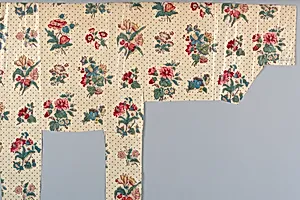
Medium
printed, dyed & painted textiles
Classification
printed, dyed & painted textiles
Department
Smithsonian Collection
Museum
Smithsonian American Art Museum
Credit
Smithsonian American Art Museum
Accession Number
1958-157-1
Rights
Public Domain
About this artwork
Research in Progress
Art Historical Context
This vibrant *Textile* from the Smithsonian American Art Museum, created between 1850 and 1900, exemplifies the rich tradition of American fabric arts during a transformative era. Spanning the Victorian period through the Gilded Age, this time saw rapid industrialization revolutionize textile production, blending machine-printed patterns with skilled handcrafting. As part of the Smithsonian Collection, it reflects everyday artistry in a nation rebuilding after the Civil War and embracing mass-produced goods for homes and wardrobes. Crafted through printing, dyeing, and painting techniques, the piece highlights innovative methods that made textiles accessible yet expressive. Printing allowed bold, repeatable motifs—often floral or geometric—while dyeing and painting added depth, colorfastness, and personal touches, possibly through resist techniques or freehand embellishment. These labor-intensive processes underscore the medium's dual role as both functional object and canvas for creativity. Though research continues to uncover its precise story and maker, this textile invites us to appreciate the anonymous hands behind America's material culture. Displayed in the Smithsonian American Art Museum, it connects visitors to the ingenuity of 19th-century makers, reminding us how textiles wove together utility, beauty, and history. (198 words)
About the Artist
Unknown
The artist designated as "Unknown" in our virtual museum's collection exemplifies a poignant chapter in art history: creators whose identities have faded into obscurity despite the enduring power of their work. With only one known artwork attributed to them in our holdings, this figure represents countless anonymous hands that shaped visual culture across centuries. Museums worldwide, including th...