
Textile
18th century
Classification
printed, dyed & painted textiles
Department
Smithsonian Collection
Museum
Smithsonian American Art Museum
Credit
Smithsonian American Art Museum
Accession Number
1961-168-1
Rights
Public Domain
About this artwork
Research in Progress
Art Historical Context
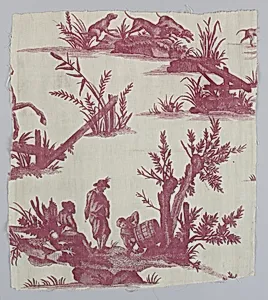
This enigmatic 18th-century textile housed in the Smithsonian American Art's Smithsonian Collection, offers a glimpse into the vibrant world of colonial-era fabric arts. Classified as a printed, dyed, and painted, it exemplifies the multifaceted techniques used by artisans of the time to create durable, decorative cloths for clothing, furnishings, and trade goods. Though the specific medium and artist remain unknown— with research ongoing—this piece reflects the ingenuity of early American craftspeople adapting European methods to local resources. In the 18th century, textiles were a cornerstone of daily life and economy in the American colonies, often imported or handmade to mimic fashionable Indian chintz or English prints. The combination of printing (likely block or resist methods), dyeing with natural pigments, and hand-painting allowed for bold patterns and colors that brightened homes and wardrobes. These techniques required skilled labor, blending artistry with practicality amid growing transatlantic trade. As part of the Smithsonian's collection, this textile underscores the overlooked significance of fiber arts in American cultural history. Ongoing research promises to reveal more about its origins, inviting visitors to ponder its story—perhaps a bedcover, curtain, or garment fragment—preserved as a testament to anonymous makers' creativity. (198 words)
About the Artist
Unknown
The artist designated as "Unknown" in our virtual museum's collection exemplifies a poignant chapter in art history: creators whose identities have faded into obscurity despite the enduring power of their work. With only one known artwork attributed to them in our holdings, this figure represents countless anonymous hands that shaped visual culture across centuries. Museums worldwide, including th...