
Textile
19th century
Classification
printed, dyed & painted textiles
Department
Smithsonian Collection
Museum
Smithsonian American Art Museum
Credit
Gift of Harvey Smith
Accession Number
1967-20-29
Rights
Public Domain
About this artwork
Research in Progress
Art Historical Context
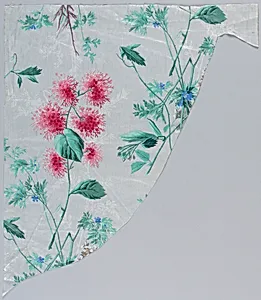
This intriguing 19th-century textile part of the Smithsonian American Art Museum's, exemplifies the artistry of printed, dyed, and painted from a pivotal era in American design. Donated as a gift from Harvey Smith, it belongs to the Smithsonian Collection and highlights the anonymous craftsmanship that defined much of everyday decorative arts. While research is ongoing, its classification reveals sophisticated techniques blending printing for bold patterns, dyeing for rich colors, and painting for intricate details—methods that were both labor-intensive and innovative for the time. In the 19th century, textiles like this one played a vital role in American homes and culture, serving as curtains, upholstery, or wall hangings that reflected personal style and regional influences. These multifaceted processes allowed creators to experiment with motifs inspired by nature, industry, or global trade, bridging folk traditions with emerging industrial methods like calico printing. Though the exact medium and origins remain under study, the piece underscores the overlooked skill of unnamed artisans whose work adorned lives across the young nation. Visitors are invited to ponder its story as curators continue piecing together its history— a reminder that many treasures await discovery in museum vaults. (198 words)
About the Artist
Unknown
The artist designated as "Unknown" in our virtual museum's collection exemplifies a poignant chapter in art history: creators whose identities have faded into obscurity despite the enduring power of their work. With only one known artwork attributed to them in our holdings, this figure represents countless anonymous hands that shaped visual culture across centuries. Museums worldwide, including th...