
Textile
19th century
Classification
printed, dyed & painted textiles
Department
Smithsonian Collection
Museum
Smithsonian American Art Museum
Credit
Gift of Elinor Merrell
Accession Number
1973-29-23
Rights
Public Domain
About this artwork
Research in Progress
Art Historical Context
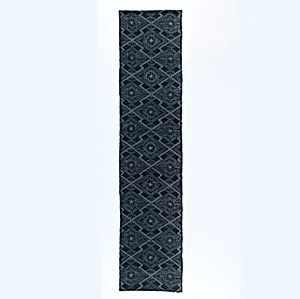
This intriguing 19th-century textile the Smithsonian American Art Museum the artistry of printed, dyed, and painted fabrics that were central to American material culture during the Industrial Revolution. As manufacturing techniques evolved, textiles transitioned from handcrafted homespun goods to more elaborate printed and dyed productions, often reflecting everyday motifs like florals, geometrics, or patriotic symbols. Donated by Elinor Merrell, this piece highlights the Smithsonian's commitment to preserving everyday art forms that shaped homes, wardrobes, and communities across the United States. The classification as a printed, dyed, and painted textile points to skilled labor-intensive processes: printing via woodblocks or emerging mechanized rollers for bold patterns; dyeing with natural or synthetic pigments for vibrant colors; and painting for personalized embellishments. These methods not only served practical purposes—curtains, upholstery, or clothing—but also carried cultural weight, often produced by women in domestic settings or factories, embodying themes of identity, immigration, and innovation. Currently under research, this anonymous work invites visitors to ponder its untold stories, reminding us how textiles wove together America's social fabric in the 1800s. A true gem for textile enthusiasts!
About the Artist
Unknown
The artist designated as "Unknown" in our virtual museum's collection exemplifies a poignant chapter in art history: creators whose identities have faded into obscurity despite the enduring power of their work. With only one known artwork attributed to them in our holdings, this figure represents countless anonymous hands that shaped visual culture across centuries. Museums worldwide, including th...