
Textile
1800–1850
Classification
printed, dyed & painted textiles
Department
Smithsonian Collection
Museum
Smithsonian American Art Museum
Credit
Bequest of Elinor Merrell
Accession Number
1995-50-361
Rights
Public Domain
About this artwork
Research in Progress
Art Historical Context
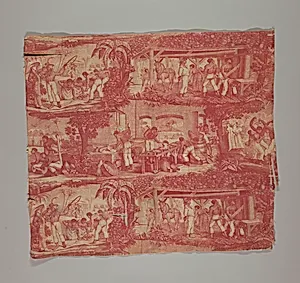
This intriguing *Textile* from the Smithsonian American Art Museum dates to the early 19th century (0–1850), a transformative era in American life when textiles were central to daily existence and emerging industry. Classified as printed, dyed, and painted, it exemplifies the skilled handcrafts that adorned homes, clothing, and furnishings before mass production dominated. Donated through the bequest of Elinor Merrell, now resides in the Smithsonian Collection, awaiting deeper scholarly exploration as research continues. During this period, American women and artisans often combined European influences with local ingenuity, using techniques like block printing, resist dyeing (such as batik), and freehand painting to create vibrant, durable fabrics. These methods not only served practical purposes—like bedcovers or curtains—but also expressed personal creativity and cultural identity amid rapid social changes, including westward expansion and the Industrial Revolution's textile mills. Though the artist remains unknown and specifics are under study, this piece highlights the unsung artistry of everyday makers. Its preservation invites us to appreciate how textiles wove together utility, beauty, and history in 19th-century America. (178 words)
About the Artist
Unknown
The artist designated as "Unknown" in our virtual museum's collection exemplifies a poignant chapter in art history: creators whose identities have faded into obscurity despite the enduring power of their work. With only one known artwork attributed to them in our holdings, this figure represents countless anonymous hands that shaped visual culture across centuries. Museums worldwide, including th...