
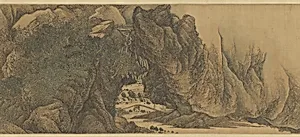
清 王翬 太行山色圖 卷|The Colors of Mount Taihang
dated 1669
Medium
Handscroll; ink and color on silk
Dimensions
Image: 10 x 82 1/2 in. (25.3 x 209.4 cm) Overall with mounting: 11 3/4 x 348 in. (29.8 x 883.9 cm)
Classification
Paintings
Culture & Period
China · Qing dynasty (1644–1911)
Department
Asian Art
Museum
Metropolitan Museum of Art, New York, NY
Credit
Ex coll.: C. C. Wang Family, Gift of Douglas Dillon, 1978
Accession Number
1978.423
Rights
Public Domain
Tags
Art Historical Context
Step into the majestic world of Qing dynasty landscapes with *The Colors of Mount Taihang*1669), a masterful handscroll by Wang Hui one of China's revered "Four Wangs" a leading figure in the Orthodox School. Created early in his career at age 20, this ink and color on silk painting (10 x 82½ in. image) unfolds like a personal journey through the rugged Taihang Mountains, famed for their dramatic peaks, cascading waterfalls, and misty valleys. Handscrolls like this were intimate treasures, unrolled slowly in private contemplation, inviting viewers to "travel" along the winding paths. Wang Hui's genius shines in his orthodox revival of Song and Yuan traditions, blending precise "fine brushwork" (gongbi) for lush colors and textures with freer ink washes to evoke nature's boundless spirit. Towering cliffs, roaring falls, and serene waters capture the mountains' raw power, symbolizing harmony between humanity and the cosmos—a core theme in Chinese art. Housed in the Metropolitan Museum of Art's Asian Art collection (gift from the C.C. Wang Family via Douglas Dillon, 1978), this work exemplifies Qing innovation, preserving classical ideals amid dynastic change. It's a vivid reminder of how 17th-century artists like Wang Hui turned silk into portals of wonder.
About the Artist
Wang Hui · 1632–1717
Chinese, 1632–1717