
The Miraculous Interventions of Jizo Bosatsu 地蔵菩薩霊験記
13th century
Classification
Painting
Department
Smithsonian Collection
Museum
Smithsonian American Art Museum
Credit
Gift of Charles Lang Freer
Accession Number
F1907.375a
Rights
Public Domain
Tags
About this artwork
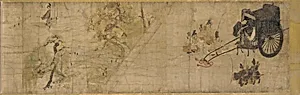
In Japan Buddhist themes were common in early narrative handscroll paintings, which flourished from the late twelfth century. This handscroll depicts the miracles performed by Jizo, a compassionate bodhisattva (enlightened being). It vividly demonstrates the versatility of the artist in painting people of all social classes with sympathy and realism. A text precedes the episode shown explaining the story of Jizo's appearance in the dream of a Buddhist priest to demand the performance of a ceremo...
Art Historical Context
In the Kamakura period (11851333), Japanese handscroll paintings, or *emakimono*, flourished as a dynamic medium for storytelling, blending vivid illustrations with narrative text. "The Miraculous Interventions Jizo Bosatsu," a 13th-century example from the Smithsonian American Art Museum, captures the compassionate miracles of Jizo, a beloved bodhisattva who aids suffering souls. Donated by collector Charles Lang Freer, *makimono* exemplifies early narrative scrolls where Buddhist themes dominated, showcasing the era's religious devotion and artistic innovation. The scroll vividly depicts an episode where Jizo appears in a priest's dream, urging a ceremonial dance at Nara's Kasuga Shrine. The artist's unknown hand masterfully renders people from all social classes with striking sympathy and realism, highlighting the versatility of Kamakura painting techniques. This scene underscores a profound cultural syncretism: the dance's ethereal beauty convinced devotees that Jizo and the Shinto deity Kasuga Myojin were manifestations of the same divine essence, reflecting Japan's harmonious fusion of Buddhist and Shinto traditions. As a window into medieval Japan's spiritual life, this scroll invites us to unroll its tales of faith and wonder, revealing how art bridged the earthly and divine.
About the Artist
Unknown
The artist designated as "Unknown" in our virtual museum's collection exemplifies a poignant chapter in art history: creators whose identities have faded into obscurity despite the enduring power of their work. With only one known artwork attributed to them in our holdings, this figure represents countless anonymous hands that shaped visual culture across centuries. Museums worldwide, including th...