
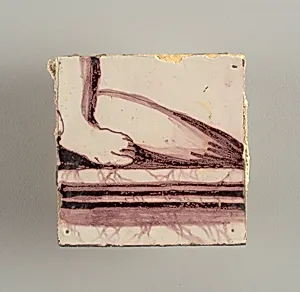
Tile wall facing
ca. 1725
Classification
tiles
Department
Smithsonian Collection
Museum
Smithsonian American Art Museum
Credit
Gift of William Randolph Hearst
Accession Number
1926-43-4-470
Rights
Public Domain
About this artwork
Research in Progress
Art Historical Context
This exquisite *Tile Wall Facing*, dating to around 1725, is a captivating example of early 18th decorative arts preserved in the Smithsonian American Art's collection. Acquired as a gift from the legendary collector William Randolph Hearst whose vast trove of historical treasures enriched many institutions, this piece reflects the era's blend of functionality and ornamentation. Classified simply as "tiles," it likely served as a protective and aesthetic facing for walls, fireplaces, or interiors in grand homes. Created by an unknown artist during the early Georgian period, such tilework was a hallmark of transatlantic trade and craftsmanship. Imported tiles from Europe—often Dutch or English Delft-style—found their way into Colonial American architecture, symbolizing wealth and cultural sophistication amid the colonies' growth. Though the exact medium awaits further research (noted as "in progress"), these assemblies typically featured vibrant glazes and intricate motifs, enduring heat and daily use while elevating domestic spaces. Today, this artifact invites us to ponder the unsung artisans behind everyday luxury, bridging 300 years of history. A testament to Hearst's eye for the extraordinary, it underscores the Smithsonian's commitment to uncovering America's artistic roots. (198 words)
About the Artist
Unknown
The artist designated as "Unknown" in our virtual museum's collection exemplifies a poignant chapter in art history: creators whose identities have faded into obscurity despite the enduring power of their work. With only one known artwork attributed to them in our holdings, this figure represents countless anonymous hands that shaped visual culture across centuries. Museums worldwide, including th...