
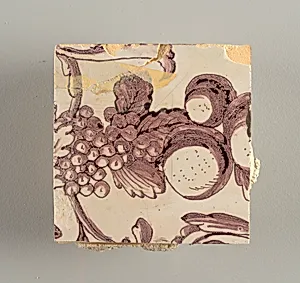
Tile wall facing
ca. 1725
Classification
tiles
Department
Smithsonian Collection
Museum
Smithsonian American Art Museum
Credit
Gift of William Randolph Hearst
Accession Number
1926-43-4-306
Rights
Public Domain
About this artwork
Research in Progress
Art Historical Context
This exquisite *Tile Wall Facing*, dating to around 1725, represents a fine example of early 18th-century decorative arts preserved in the Smithsonian American Art's collection. Crafted as a series of tiles designed for architectural embellishment—likely adorning a wall, fireplace surround, or interior surface—this artifact speaks to the era's blend of functionality and ornamentation. Though the artist remains unknown and the precise medium awaits further study, its classification as tiles highlights their enduring appeal as a durable, versatile medium for home decoration during America's Colonial period. Acquired as a gift from newspaper magnate and avid collector William Randolph Hearst, the piece entered the Smithsonian Collection, underscoring Hearst's passion for historical treasures. In the 1720s, such tilework often drew inspiration from European traditions, particularly Dutch or English designs, which were imported or emulated in the American colonies to elevate domestic spaces with intricate patterns and vibrant glazes. These elements not only protected surfaces but also served as status symbols, reflecting the growing sophistication of colonial interiors. Research into this tile wall facing is ongoing, inviting us to ponder its untold stories—from the workshops that produced it to the households it once graced. A testament to craftsmanship across centuries, it reminds visitors of the quiet artistry in everyday objects. (198 words)
About the Artist
Unknown
The artist designated as "Unknown" in our virtual museum's collection exemplifies a poignant chapter in art history: creators whose identities have faded into obscurity despite the enduring power of their work. With only one known artwork attributed to them in our holdings, this figure represents countless anonymous hands that shaped visual culture across centuries. Museums worldwide, including th...