
Vase
Unknown Artist
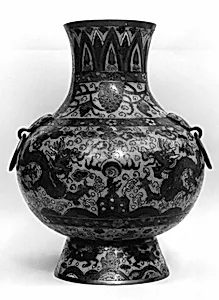
Medium
Cloisonné enamel on copper
Dimensions
H. 14 1/2 in. (36.8 cm); W. 8 1/2 in. (21.6 cm); D. 8 1/2 in. (21.6 cm)
Classification
Cloisonné
Culture & Period
China · Ming dynasty (1368–1644)
Department
Asian Art
Museum
Metropolitan Museum of Art, New York, NY
Credit
Gift of Edward G. Kennedy, 1929
Accession Number
29.110.14
Rights
Public Domain
Tags
Art Historical Context
This elegant cloisonné enamel vase, hailing from China's Ming dynasty (1368–1644), stands as a testament to the era's masterful craftsmanship in the Asian Art collection at the Metropolitan Museum of Art. Measuring 14½ inches tall and 8½ inches wide and deep, its baluster form exemplifies the refined aesthetics of imperial porcelain and metalwork traditions, though the artist and exact date remain unknown. Gifted in 1929 by Edward G. Kennedy, it captures the opulence of a golden age when China led in luxury decorative arts. Cloisonné enamel on copper involves soldering fine silver or gold wires into intricate cells (cloisons) on a copper body, filling them with vibrant glass enamels in colors like turquoise, red, and blue, then firing and polishing to a glassy sheen. Perfected during the Ming period after influences from the Islamic world via trade routes, this technique allowed for bold, enduring designs that rivaled porcelain painting. The vase's surface likely bursts with dynamic motifs, showcasing the technical precision prized by Ming artisans for both courtly and export wares. Dragons, a hallmark tag for this piece, symbolize imperial power, good fortune, and the emperor's divine authority in Chinese culture—auspicious creatures weaving through clouds and flames. Such imagery underscores the vase's role in rituals or as a status symbol, inviting visitors to ponder the blend of artistry, spirituality, and imperial splendor that defined Ming China.