
Vase
1820
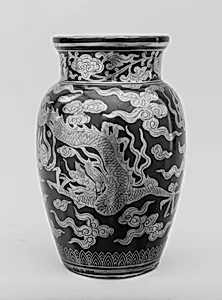
Medium
White porcelain decorated with gold on an iron red ground
Dimensions
H. 3 5/8 in. (9.2 cm)
Classification
Ceramics
Culture & Period
Japan · Edo period (1615–1868)
Department
Asian Art
Museum
Metropolitan Museum of Art, New York, NY
Credit
Gift of Charles Stewart Smith, 1893
Accession Number
93.3.197
Rights
Public Domain
Tags
Art Historical Context
This exquisite small vase, crafted by Eiraku Hozen in 1820 during Japan's Edo period (1615–8), exemplifies the luxurious porcelain traditions of Kyoto's Eiraku kilns. Hozen, a master potter a renowned lineage, specialized in overglaze enamel techniques that blended Japanese elegance with Chinese inspirations. Standing just 3 5/8 inches (9.2 cm) tall, it was likely used for incense or floral arrangements in elite tea ceremonies or domestic altars, reflecting the era's prosperity and refined aesthetic tastes amid the Tokugawa shogunate's stability. The vase's white porcelain body is striking against an iron red ground, lavishly accented with gold decorations—most notably dynamic dragons, symbols of imperial power, protection, and auspicious energy in East Asian culture. This overglaze enameling process involved firing the piece multiple times to fuse metallic pigments, creating a vibrant, jewel-like sheen that showcased technical virtuosity. Eiraku wares were prized for their opulence, often patronized by samurai and merchants, bridging utilitarian craft with high art. A gift to the Metropolitan Museum of Art in 1893 from Charles Stewart Smith, this piece highlights early Western fascination with Japanese ceramics during the Meiji-era export boom. Its compact form invites close contemplation, revealing the meticulous artistry that defined Edo luxury.
About the Artist
Eiraku Hozen · 1795–1854
Eiraku Hozen (1795–1854) was a celebrated Japanese ceramic artist and the sixteenth-generation head of the Nishimura family, a Kyoto dynasty of potters whose work was closely associated with the tastes of the imperial court and the refined aesthetic culture of the ancient capital. Operating under the artistic name Eiraku — a name that would become synonymous with a particular style of elegant, tec...