
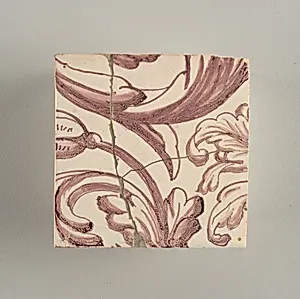
Wall facing
ca. 1725
Classification
tiles
Department
Smithsonian Collection
Museum
Smithsonian American Art Museum
Credit
Gift of William Randolph Hearst
Accession Number
1926-43-5-313
Rights
Public Domain
About this artwork
Research in Progress
Art Historical Context
Nestled in the Smithsonian American Museum's collection, *Wall Facing* (ca. 1725) is a captivating example of early 18th-century tile, classified simply as "tiles." This enigmatic piece, gifted by media magnate William Randolph Hear, evokes the opulent interiors of colonial-era homes. Hearst, a prolific collector of historical artifacts, donated it to the Smithsonian, highlighting its place among treasures that bridge European craftsmanship and American heritage. Crafted around 1725, during the height of Baroque influences in decorative arts, the wall facing likely served as a stylish protective or ornamental panel for fireplaces or interior walls. Tiles from this period were prized for their durability and vivid designs, often imported from Europe to adorn prosperous New World households. Though the artist and exact medium remain unknown, such works underscore the era's blend of functionality and artistry, transforming everyday spaces into statements of refinement. Research into *Wall Facing* is ongoing, inviting visitors to ponder its untold stories—perhaps biblical scenes, pastoral motifs, or floral exuberance common in period tilework. As part of the Smithsonian Collection, it reminds us how everyday materials like tiles captured cultural aspirations, making history tangible and beautiful. (198 words)
About the Artist
Unknown
The artist designated as "Unknown" in our virtual museum's collection exemplifies a poignant chapter in art history: creators whose identities have faded into obscurity despite the enduring power of their work. With only one known artwork attributed to them in our holdings, this figure represents countless anonymous hands that shaped visual culture across centuries. Museums worldwide, including th...