
Wall facing
ca. 1725
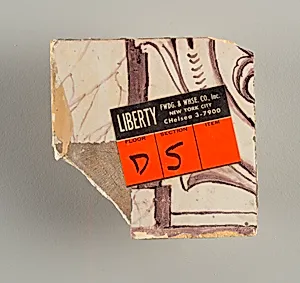
Medium
tiles
Classification
tiles
Department
Smithsonian Collection
Museum
Smithsonian American Art Museum
Credit
Gift of William Randolph Hearst
Accession Number
1926-43-7-f-5
Rights
Public Domain
About this artwork
Research in Progress
Art Historical Context
This enigmatic "Wall Facing," crafted around 1725 from meticulously arranged tiles, offers a glimpse into early 18th-century decorative arts. As a wall facing—a paneled surface designed to adorn interiors—these tiles likely served both functional and aesthetic purposes, protecting walls from soot and moisture while elevating living spaces with vibrant patterns and colors. Produced during the Colonial era, such tilework reflects the growing taste for European-inspired opulence in American homes, where imported or locally made ceramics became symbols of prosperity and refinement. Though the artist remains unknown and research is ongoing, the medium's significance lies in its durability and artistry. Tiles from this period were typically glazed earthenware, fired to create glossy, weather-resistant finishes that captured intricate motifs like florals, biblical scenes, or geometrics—common in Dutch Delft or English traditions influencing American craftsmen. This piece's survival speaks to the craftsmanship of the time, blending utility with subtle elegance. Acquired as a gift from media magnate William Randolph Hearst, whose vast collection championed historical treasures, "Wall Facing" now graces the Smithsonian American Art Museum's collection. It invites visitors to ponder the untold stories of everyday luxury in the 1700s, bridging the gap between architecture and art. (198 words)
About the Artist
Unknown
The artist designated as "Unknown" in our virtual museum's collection exemplifies a poignant chapter in art history: creators whose identities have faded into obscurity despite the enduring power of their work. With only one known artwork attributed to them in our holdings, this figure represents countless anonymous hands that shaped visual culture across centuries. Museums worldwide, including th...