
Wellust
1550 - 1625
Medium
engraving
Dimensions
213; 256
Rights
Public Domain
About this artwork
collector's mark: Lugt 2760
Art Historical Context
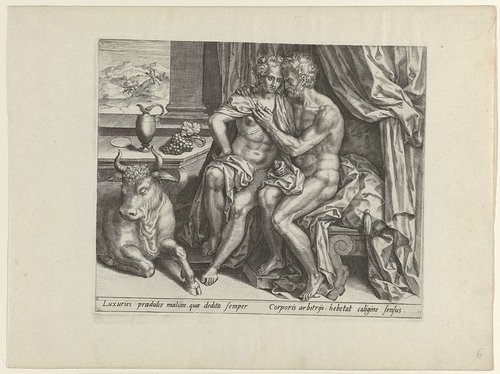
### Wellust by Pieter Jalhea FurniusStep into the intricate world of 16th- to 17th-century Dutch engraving with *Wellust* (Dutch for "Lust"), compelling print by Pieter Jalhea Furnius active around 1550–1625. 213 mm high by 256 mm wide, this engraving exemplifies the technical precision of the Northern Renaissance printmaking tradition. Furnius, a lesser-known but skilled engraver likely from the Low Countries, themes of human vice in a medium that allowed for widespread dissemination of moral and allegorical imagery. Engraving's significance lies in its durability and detail-oriented process: artists incised designs into copper plates, inking them to produce rich, tonal impressions. *Wellust* would have appealed to collectors and scholars, offering a window into the era's preoccupation with the seven deadly sins or cardinal virtues, where lust was often personified dramatically. The presence of the collector's mark Lugt 2760—cataloged by connoisseur Frits Lugt—underscores its provenance, linking it to esteemed 19th- or 20th-century European collections. This modest-sized work invites reflection on how prints democratized art, bridging elite patronage and public morality. A testament to Furnius's craftsmanship, *Wellust* endures as a vivid artifact of cultural introspection.
About the Artist
Pieter Jalhea Furnius · 1530–1615
Pieter Jalhea Furnius (1530–1615, though some sources suggest 1545–1610) was a Flemish engraver and draughtsman who worked during the height of Antwerp Mannerism, creating engravings that disseminated the works of prominent Northern European artists throughout Europe. Trained under the renowned painter Lambert Lombard in Liège, Furnius established himself in Antwerp, the commercial and artistic ca...