Ctrl K
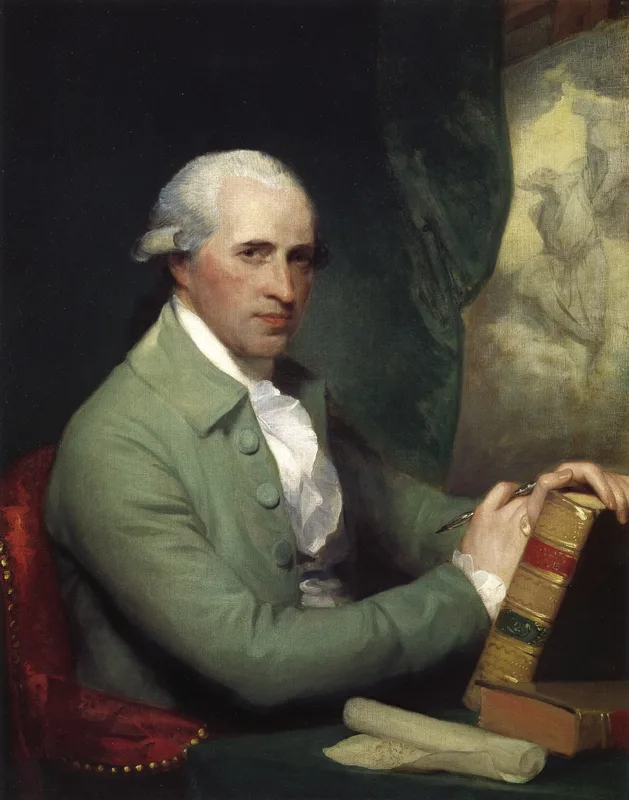
1738–1820
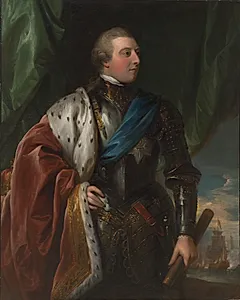
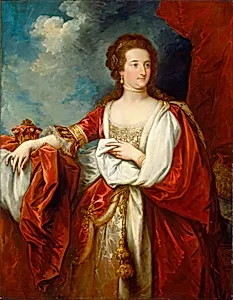
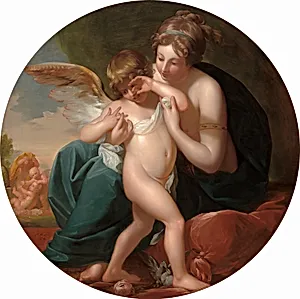
Benjamin West, born on October 10, 1738, in Springfield, Pennsylvania, emerged as one of the most influential painters of his era despite being entirely self-taught. Growing up in a Quaker family in colonial America, West displayed prodigious talent from childhood, creating portraits and religious scenes with materials gifted by local patrons. By his late teens, he had garnered enough support to travel to Italy in 1760, where he spent three years studying antiquities and embracing the Neoclassical movement then sweeping Europe. This formative period honed his mastery of grand historical compositions, blending classical ideals of clarity, proportion, and moral elevation with dramatic realism. Upon arriving in London in 1763, West quickly established himself, impressing King George III and securing royal patronage as historical painter to the court and Surveyor of the King's Pictures.
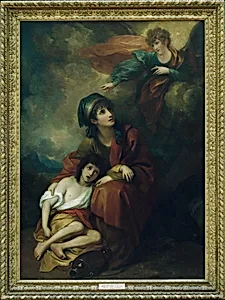
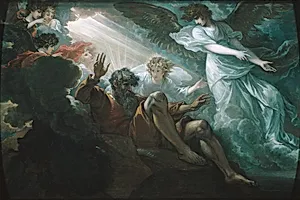
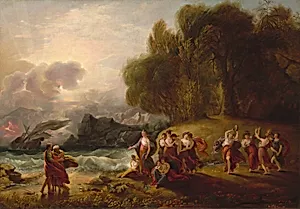
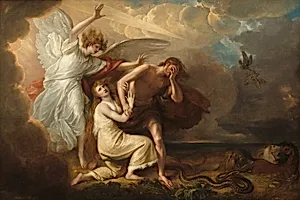
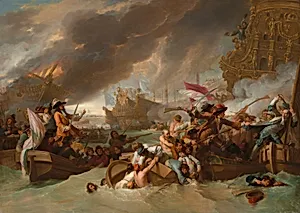
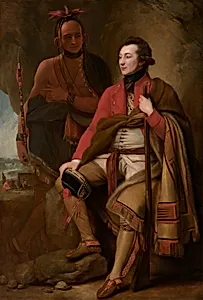
West's artistic style epitomized Neoclassicism while foreshadowing Romanticism through its emotional intensity and contemporary subjects. He specialized in history painting—elevated scenes from mythology, religion, and recent events—often on monumental scales. Iconic works include *The Death of General Wolfe* (1770), which scandalized the art world by depicting modern soldiers in contemporary dress rather than classical togas; *The Death of Nelson* (1806); *Treaty of Paris* (1783); and *Benjamin Franklin Drawing Electricity from the Sky* (c. 1818), celebrating scientific progress. Religious masterpieces like *Christ Healing the Sick* (1811), donated to the National Gallery, and *The Preservation of St Paul after a Shipwreck at Malta* (c. 1780) at the Old Royal Naval College in Greenwich further showcased his ability to infuse biblical narratives with vivid human drama.
West's legacy endures as a pivotal figure in British art. He co-founded the Royal Academy of Arts in 1768 and succeeded Joshua Reynolds as its second president in 1792, mentoring generations of artists including Washington Allston and possibly influencing J.M.W. Turner. His innovative approach to history painting bridged American and European traditions, making him the first internationally acclaimed artist from the future United States. West died in London on March 11, 1820, leaving a profound mark on the transition from Neoclassicism to Romanticism, with his works gracing major collections worldwide.