Ctrl K
**Jules-Edmond-Charles Lachaise and Eugène-Pierre Gourdet: Masters of Second Empire Ornamentation**
Eugène-Pierre Gourdet (1819–1889) and Jules-Edmond-Charles Lachaise (1836–1896), brothers-in-law through Lachaise's marriage to Gourdet's sister Berthe in 1866, were leading French painters and draftsmen specializing in lavish interior decorations. Born in Paris on November 9, 1819, Gourdet was trained by his father, the painter Michel Gourdet (1787–1864), and began exhibiting at the Salon de peinture et de sculpture as early as 1840. Lachaise, born on September 2, 1836, in the same city, joined the Société des artistes français and similarly showed at the Salon, though no specific mentor is recorded for him beyond familial ties. Their professional partnership flourished under the Second Empire, creating bespoke designs for the French monarchy and aristocracy, including post-1870 commissions for Empress Eugénie at her Farnborough Hill estate in England.
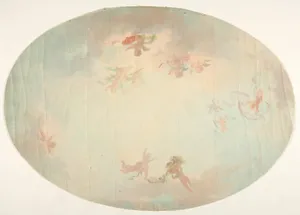
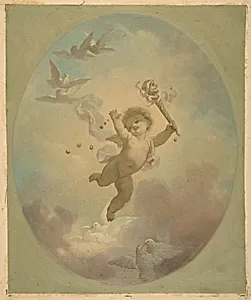
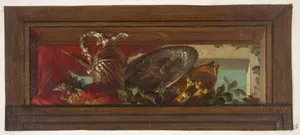
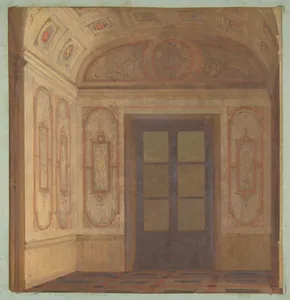
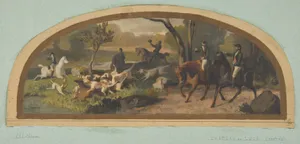
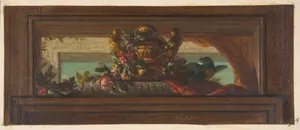
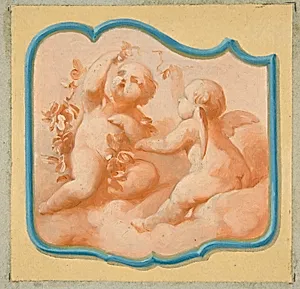
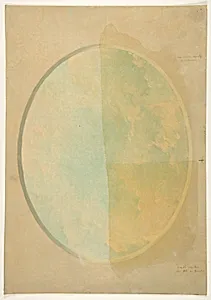
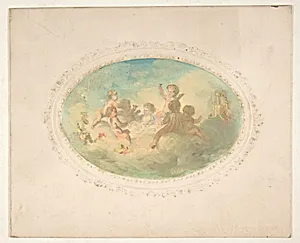
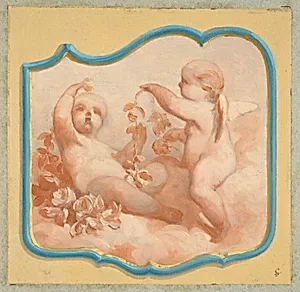
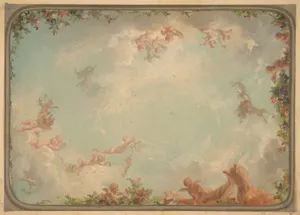
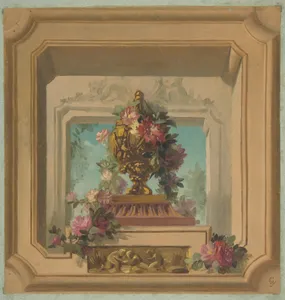
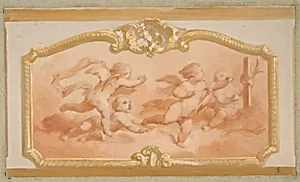
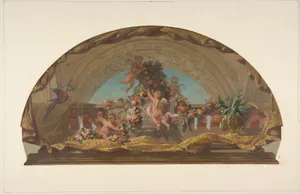
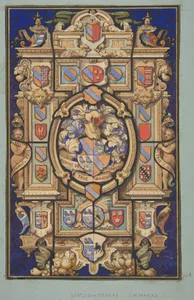
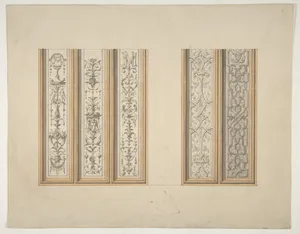
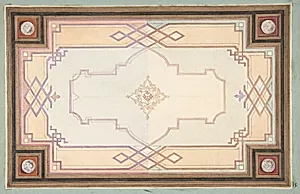
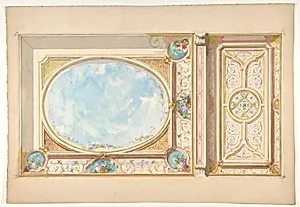
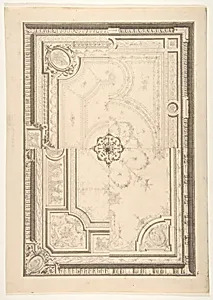
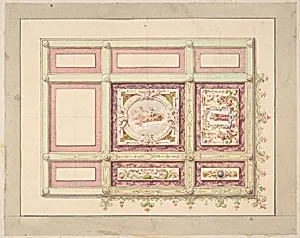
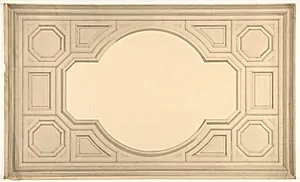
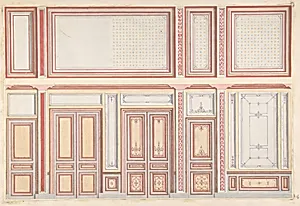
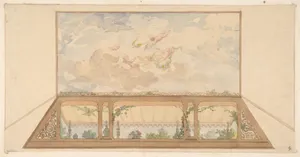
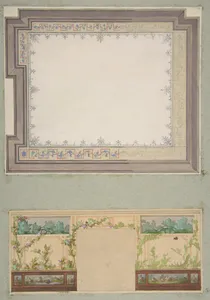
Working in the opulent ornamental tradition, they drew heavily from Islamic ornamentation, blending it with Baroque, Rococo, Moorish, and French Renaissance motifs—trompe l'oeil skies, playful putti, garlands, clouds, and allegorical figures rendered in watercolor and gouache. Major works include collaborative ceiling and panel designs for the Hôtel Rothschild in Vienna, Hôtel de Trévise and Hôtel de Beaujon in Paris, Château de Béhourt, Pless Château in Silesia, Fontainebleau's Salle des Cerfs, and the Duchesse de Newcastle's bedroom; altar designs for Farnborough and Saint-Clotilde churches; and stained-glass concepts for Château de Mouchy. The Metropolitan Museum of Art holds nearly 500 of their intricate drawings, such as *Design for a Coffered Ceiling* and *Seven Vertical Panels of Arabesque Decoration* (ca. 1880–1886).
Their legacy endures as exemplars of 19th-century decorative exuberance, bridging imperial grandeur with neoclassical revival. Though their paintings were functional—envisioning frescoes, boiseries, and overdoors—their preserved sketches reveal a masterful command of illusionistic depth and rhythmic patterns, influencing later historicist interiors across Europe. Buried in Paris—Gourdet at Père-Lachaise, Lachaise in the 14th arrondissement—their familial and artistic synergy produced a corpus that captures the Gilded Age's aesthetic splendor.(378 words)