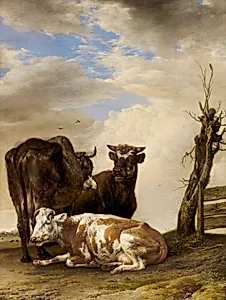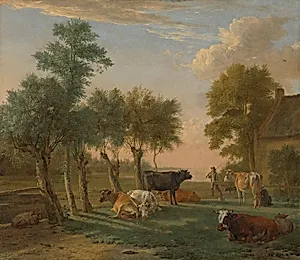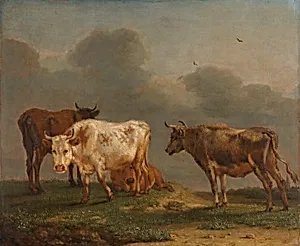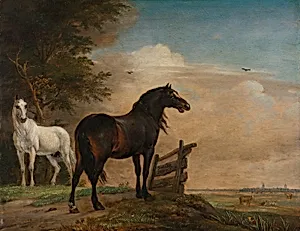
1625–1654
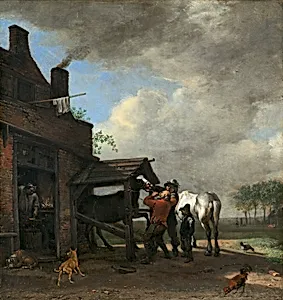
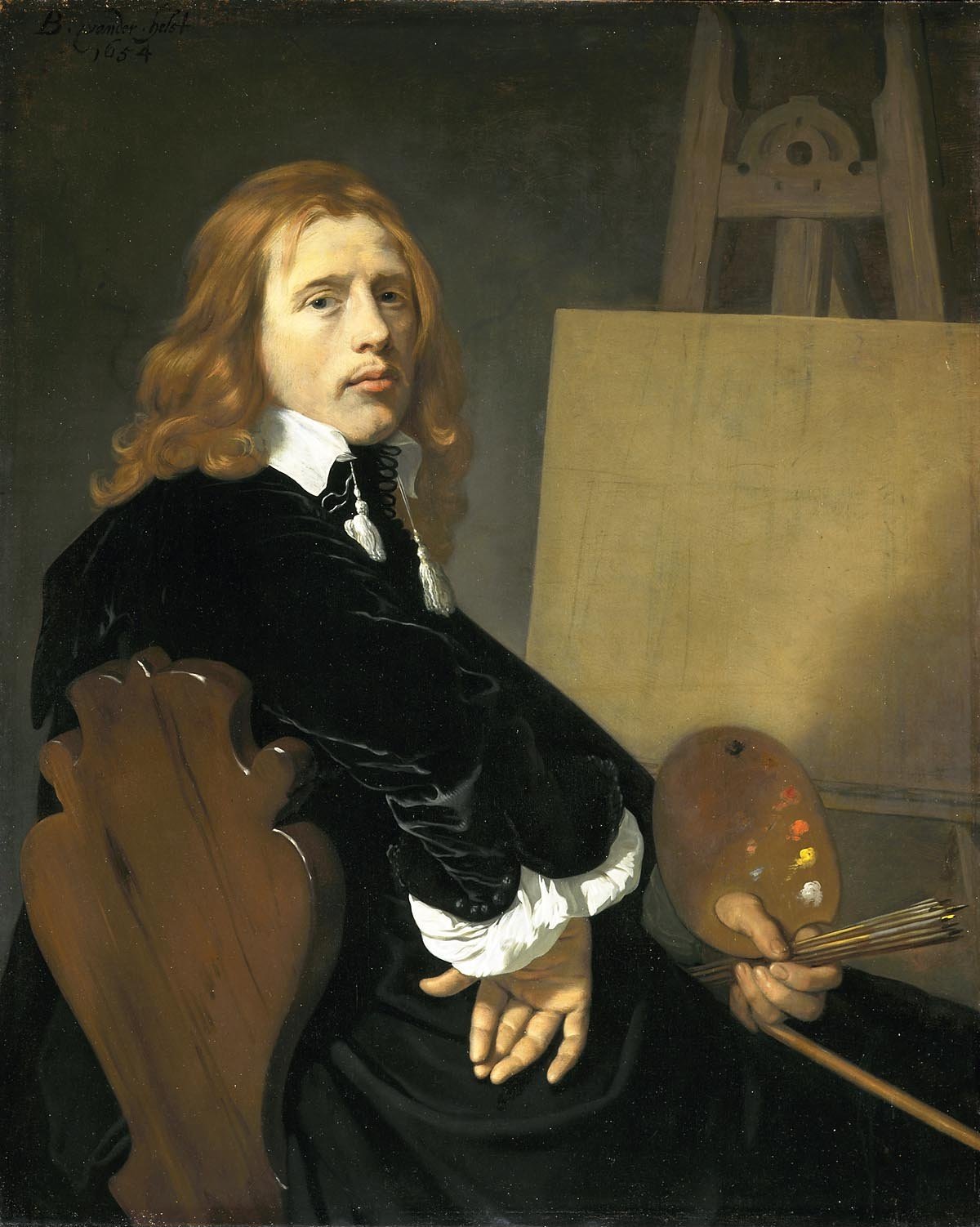
Paulus Potter (1625–1654) was a Dutch Golden Age painter whose short life — he died at just twenty-eight years of age — belied an artistic achievement of remarkable originality and influence. Born in Enkhuizen in 1625, Potter trained under his father, the painter Pieter Potter, and later in Amsterdam and Delft, where he absorbed the technical standards of the flourishing Dutch painting tradition. He showed exceptional precocity, completing sophisticated works while still in his teens and establishing himself in The Hague, where he found wealthy patrons eager for the kind of carefully observed, naturalistic painting at which he excelled.
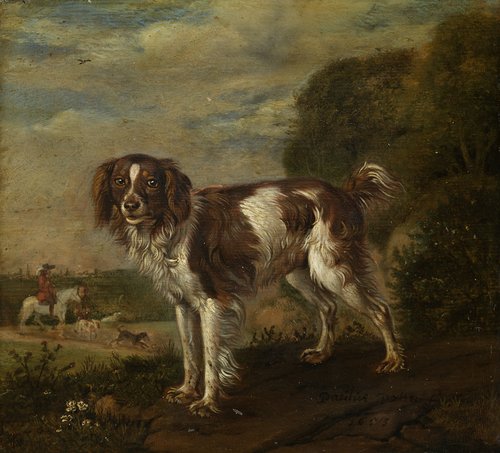
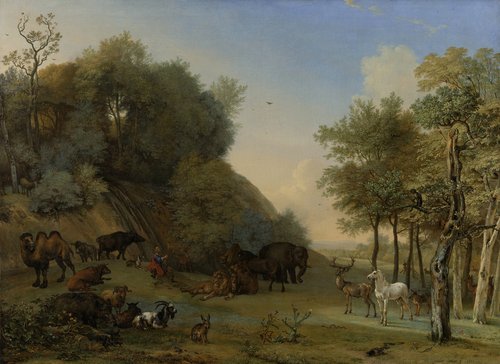
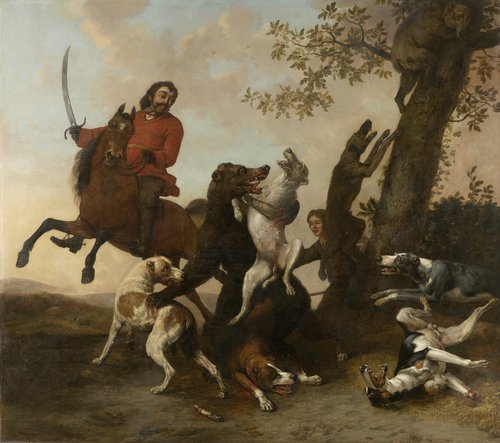
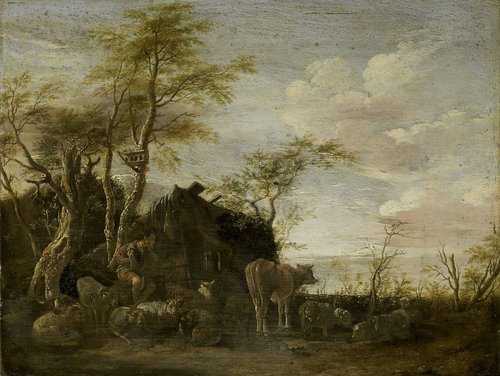
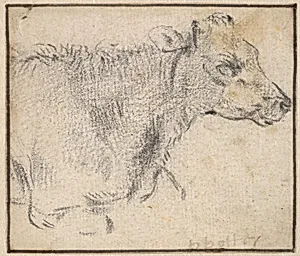
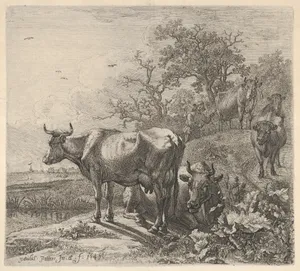
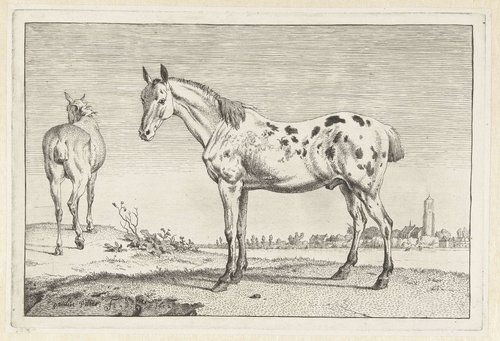
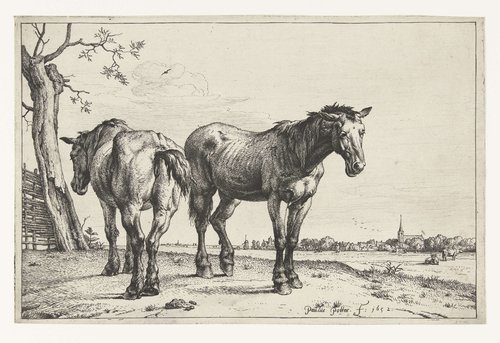
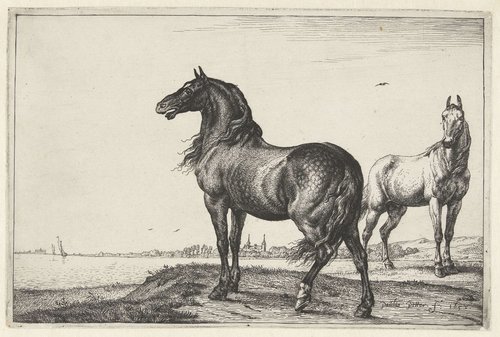
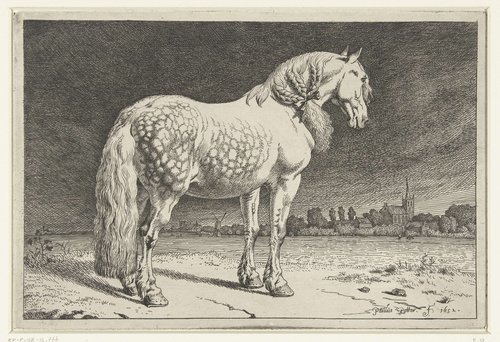
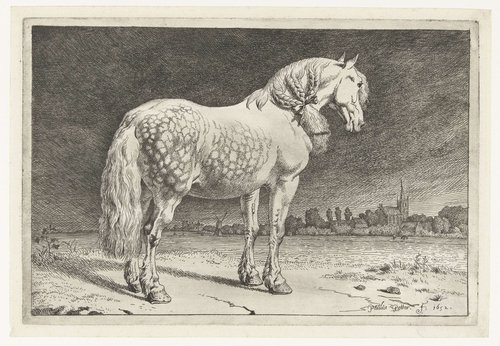
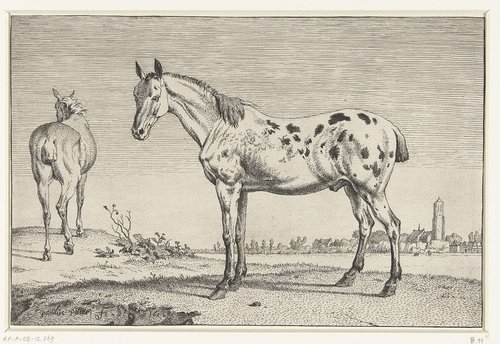
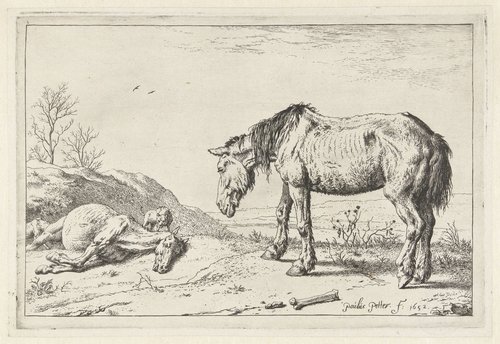
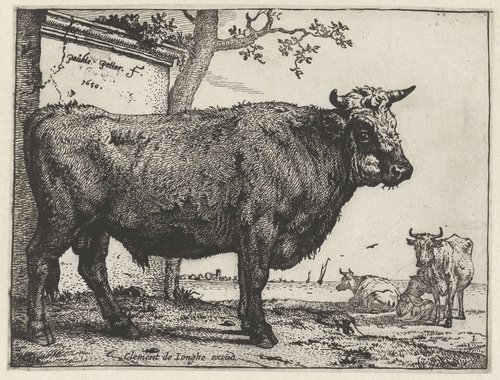
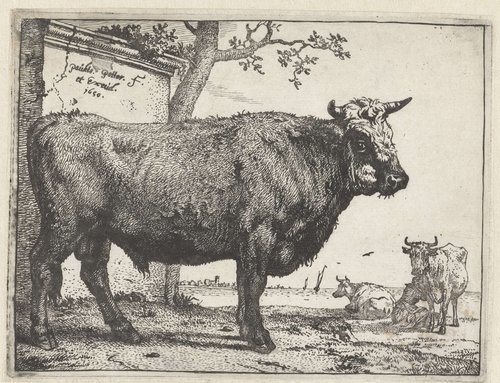
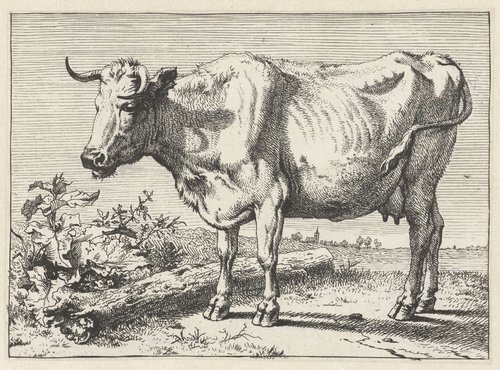
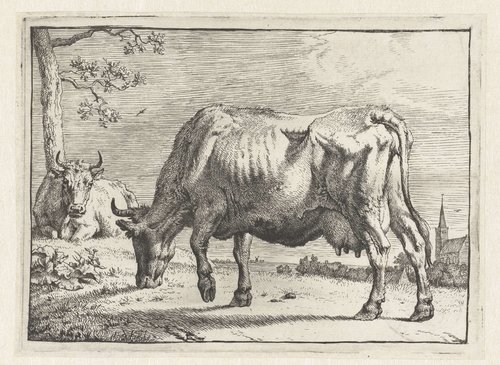
Potter's specialty was the painting of animals, above all cattle, horses, and sheep depicted in the open Dutch countryside. Where earlier artists had treated animals as incidental staffage in landscape compositions, Potter elevated them to the central subject of his art, rendering them with a scientific precision and an empathetic attention that was entirely new. His animals are individualized and alive, caught in the warm, raking light of early morning or late afternoon, against skies of luminous Dutch cloud. His grasp of anatomy was extraordinary, and he studied his subjects directly from life with an intensity that anticipates the naturalist tradition of later centuries.
His most famous work, the monumental painting known as The Young Bull, completed in 1647 and now in the Mauritshuis in The Hague, is one of the most celebrated animal paintings in the history of Western art. At nearly twelve feet wide, it presents a young bull at nearly life size, scrutinized with an unflinching realism that astonished contemporaries and continues to command admiration. Other celebrated works include pastoral scenes of cattle grazing and horses at rest, all marked by the same luminous precision.
Potter's legacy was enormous and enduring. He established animal painting as a fully legitimate genre within Dutch art, inspiring generations of successors in the Netherlands and beyond. His early death from tuberculosis in 1654 cut short a career of extraordinary promise, but the body of work he left behind assured his permanent place among the masters of the Dutch Golden Age.