Ctrl K
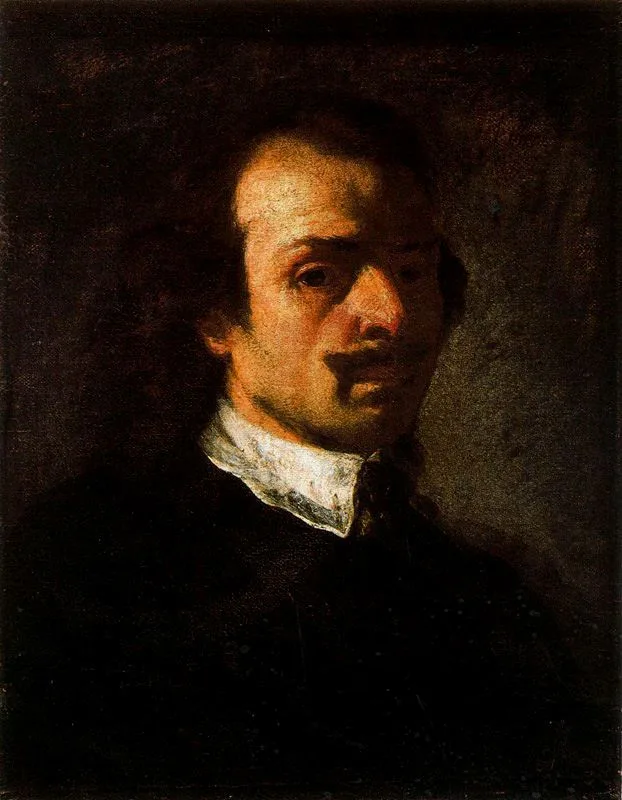
1612–1666
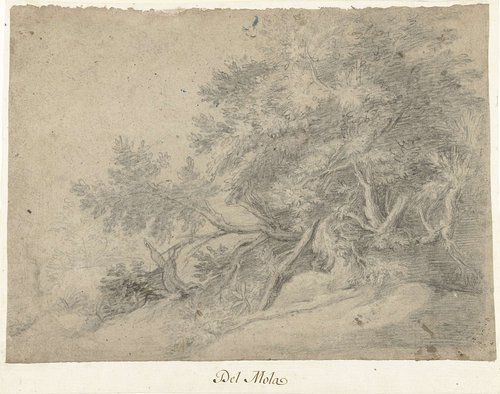
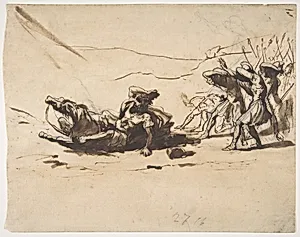
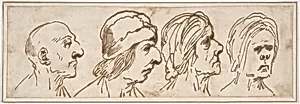
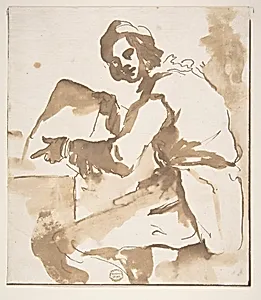
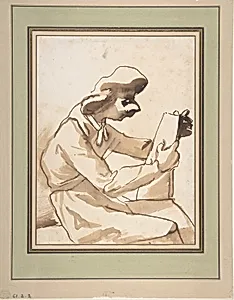
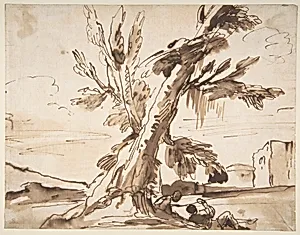
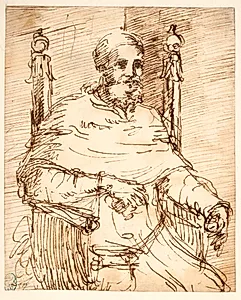
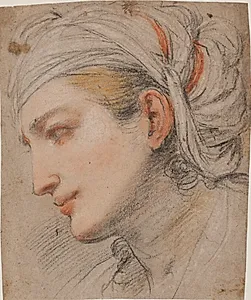
Pier Francesco Mola (1612–1666) was a Roman Baroque painter celebrated for the lyrical quality of his landscapes and the painterly freedom of his figural work, qualities that set him apart from the more rigorous classicism of some of his contemporaries. Born in Coldrerio in the Swiss canton of Ticino, he spent the greater part of his career in Rome, where he underwent an extensive and eclectic formation that left traces of several major influences visible in his mature work. He studied with the Cavalier d'Arpino and later with Albani in Bologna, but his most formative encounter was with the painterly richness of the Venetian tradition — above all the work of Titian and Veronese — which he absorbed during travels in northern Italy.
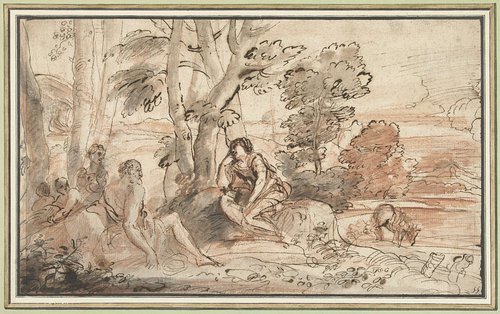
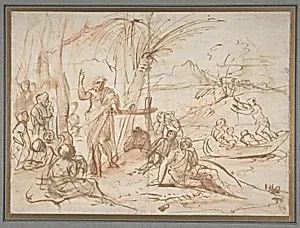
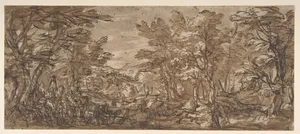
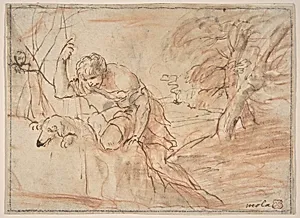
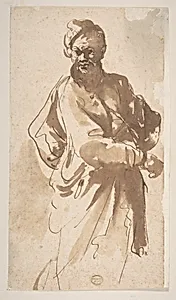
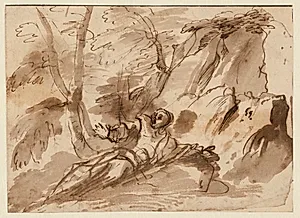
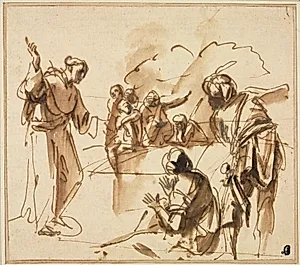
Mola's paintings are distinguished by their warm tonality, fluid brushwork, and a preference for evocative, semi-poetic subjects: oriental figures, hermit saints in landscape settings, and scenes from classical mythology treated with an air of melancholy reverie. His work on the resting Barbary Pirate and similar exotic figures reveals an early European fascination with the East filtered through a sensibility formed on Venetian color and Bolognese grace.
In Rome he received significant commissions, including work for the Quirinal Palace and for the Villa Pamphilj, demonstrating his standing among the leading decorative painters of mid-seventeenth-century Rome. His frescoes and cabinet pictures alike attest to a talent equally at home in the grandeur of palatial decoration and the intimacy of private devotion.
Mola occupies a distinctive place in the history of Italian Baroque painting as an artist who tempered Roman gravity with Venetian sensuality. His influence on subsequent landscape and figure painting in Rome was real, even if his relative obscurity today compared to Poussin or Pietro da Cortona reflects the sometimes arbitrary judgments of later critical tradition.