Ctrl K
1693–1766
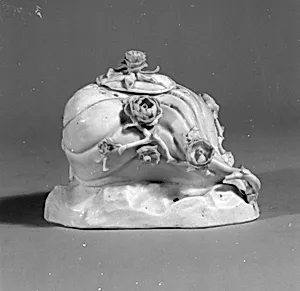
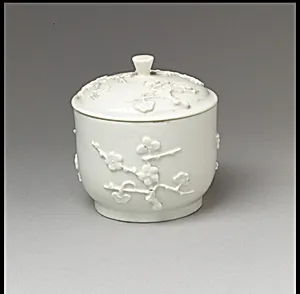
The Saint-Cloud porcelain factory, situated on the Seine in the town of Saint-Cloud near Paris, revolutionized European ceramics as the first to manufacture soft-paste porcelain commercially, beginning in 1693. Originally established around 1664-1666 as a faience workshop, it shifted to porcelain under Pierre Chicaneau, a potter whose experiments yielded a frit-based paste with a warm yellowish or ivory tone, glassy texture, and satin-like pitted glaze—qualities that closely mimicked prized Chinese imports. In 1702, Philippe I, Duke of Orléans, awarded letters-patent to the Chicaneau family, affirming their production as "perfect as the Chinese." The factory remained privately owned, passing around 1722 through marriage to Henri Trou and his descendants.
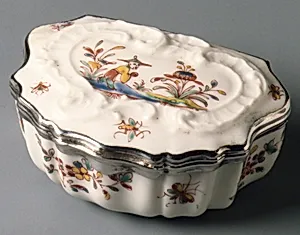
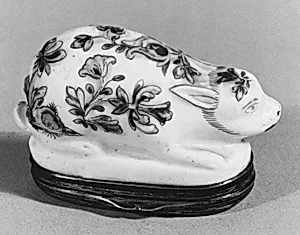
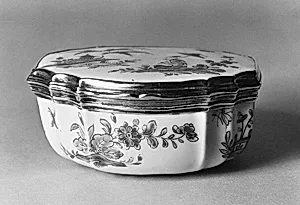
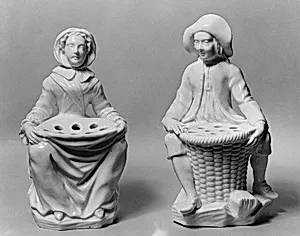
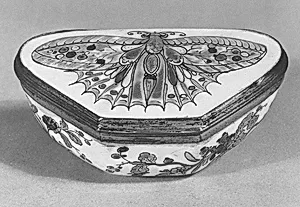
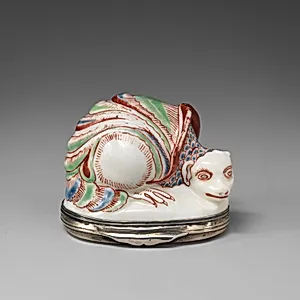
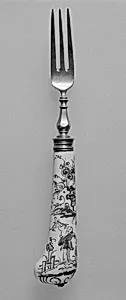
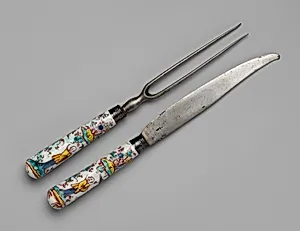
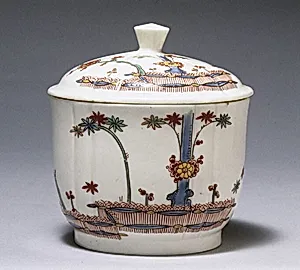
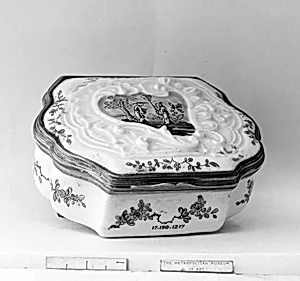
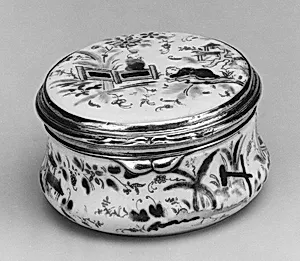
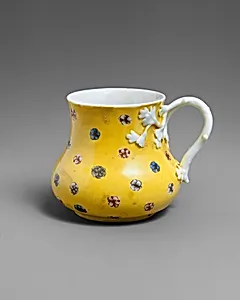
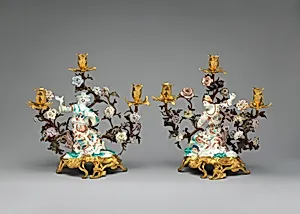
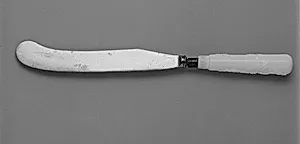
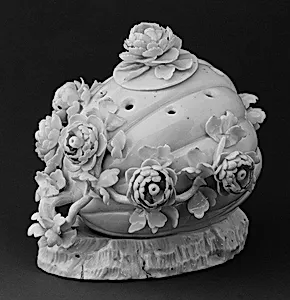
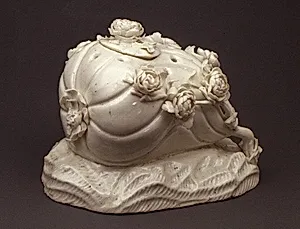
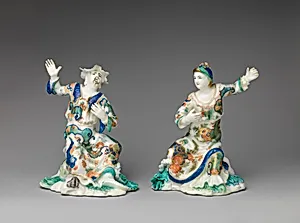
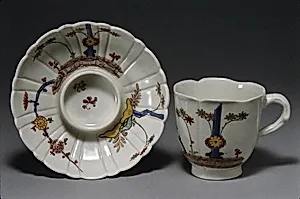
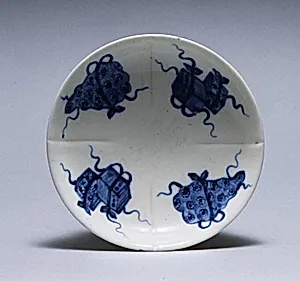
Early output adhered to the blue-and-white tradition, with underglaze cobalt decoration on vases, beakers, and salts imitating late Ming Chinese designs blended with European grotesques derived from Renaissance engraver Jacques Androuet du Cerceau's motifs like swans, snails, and satyrs. A notable example is a baluster vase (ca. 1695–1710) featuring vignettes of Chinese-inspired tables and stylized foliage. From the 1730s, under Trou's management, polychrome enamels flourished in "Fleurs indiennes" styles echoing Chinese famille rose and Japanese Kakiemon porcelains from Arita, adorning teacups, saucers, trembleuses, pepper pots (ca. 1710–1720), and figural groups like Chinese-style attendants. Production diversified into practical wares such as seau coolers and ornate flower holders, marked by the factory's radiant sun emblem from 1709 onward.
Saint-Cloud operated until 1766, when competition from Chantilly, Sèvres (successor to Vincennes, which held a post-1752 polychrome monopoly), and economic pressures forced closure; many workers transferred to Sèvres. Its legacy endures as the pioneer of French soft-paste porcelain, bridging Asian influences with Rococo exuberance and enabling the luxury porcelain boom that defined 18th-century Europe. With over 140 objects in the V&A alone, Saint-Cloud's innovative paste and hybrid aesthetics remain touchstones for collectors and scholars.