Ctrl K
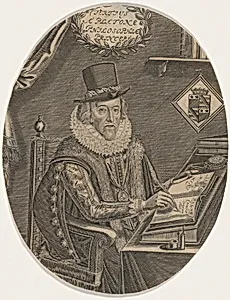
1569–1677
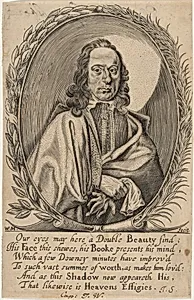
**William Edgar Marshall (1837–1906)** was a preeminent American engraver and portrait painter, renowned for his meticulous line engravings on steel that captured the dignity and character of his subjects. Born in New York City to Scottish parents, Marshall began his career young, apprenticing at age seventeen in a watch-case factory before honing his skills engraving portraits at the U.S. Treasury Department in Washington, D.C., and later at the American Bank Note Company starting in 1858. He studied under the esteemed engraver Cyrus Durand in New York City and Paris from 1863 to 1865, and pursued painting in the atelier of Thomas Couture in France, exhibiting at the Paris Salon that year.
Returning to the United States amid the Civil War, Marshall established his reputation with iconic presidential portraits derived from photographs and descriptions. His 1866 engraving of Abraham Lincoln, created shortly after the president's assassination, was hailed as the finest likeness ever produced, while his 1868 depiction of General Ulysses S. Grant and 1862 portrait of George Washington exemplified his precision and gravitas. He also produced engravings of James Buchanan, John C. Frémont, William T. Sherman, and James G. Blaine. Marshall's grand oil painting of Christ—a heroic, idealized figure portrayed as a thoughtful young Arab with dark eyes and brown skin—toured major cities in the 1870s and 1880s and was meticulously engraved by the artist himself, cementing his fame.
In 1866, Marshall opened a studio at 711 Broadway in New York, transforming it into a vibrant hub for bohemian artists, writers, and luminaries like Georges Clemenceau, Ralph Waldo Emerson, and Henry Wadsworth Longfellow. He was among the first to champion emerging talent, notably opening his doors to a young Albert Pinkham Ryder. Working in the realistic tradition of 19th-century American portraiture, Marshall bridged painting and printmaking, producing works that adorned homes and institutions alike. His legacy endures through enduring presidential images that shaped national iconography, with his technical mastery influencing generations of engravers until his death from pneumonia in 1906.