Ctrl K
1566–1651
Abraham Bloemaert (1566–1651) was born in Gorinchem in the Dutch Republic, the son of architect Cornelis Bloemaert, and grew up in Utrecht after the family relocated there in 1575. His early artistic formation took him to Paris for three years in the early 1580s, where he studied with several masters before returning to the Northern Netherlands to pursue his career. He settled permanently in Utrecht, where he became the dominant artistic figure of the city for more than half a century and served as dean of the Guild of St. Luke.
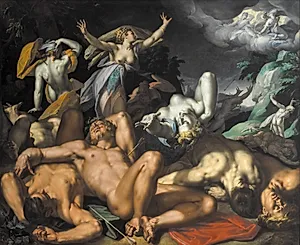
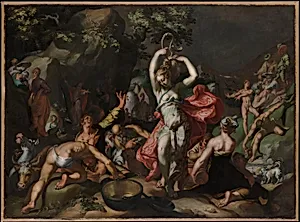
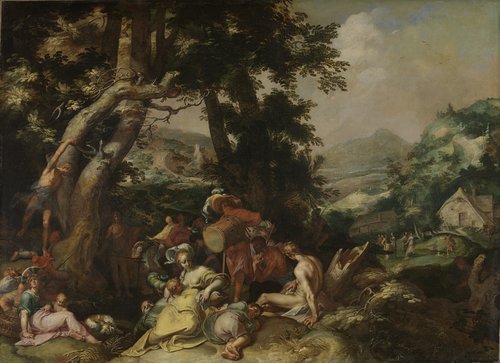
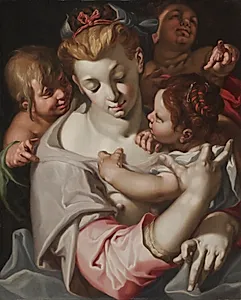
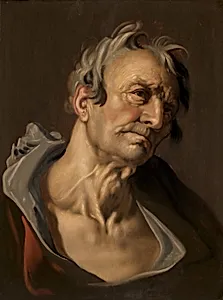
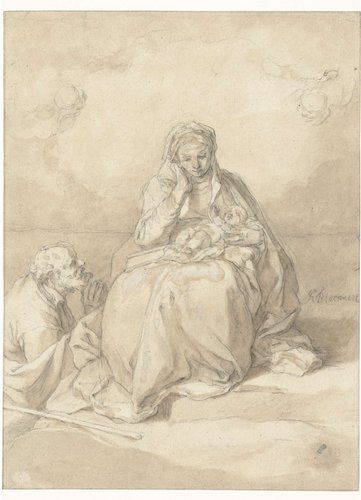
Bloemaert's early style was shaped by the extravagant international Mannerism that prevailed in Northern European painting at the end of the sixteenth century—characterized by elongated figures, complex poses, and a jewel-like intensity of color. As the new century brought Italian Baroque painting to increasing prominence and the Dutch followers of Caravaggio began to transform Utrecht into a center of chiaroscuro painting, Bloemaert demonstrated a remarkable adaptability, incorporating the strong contrasts of light and shadow and the naturalistic figure types associated with Caravaggio while retaining elements of his earlier decorative elegance. This synthesis gave his mature work a distinctive character that sat between the Mannerist tradition and the new naturalism.
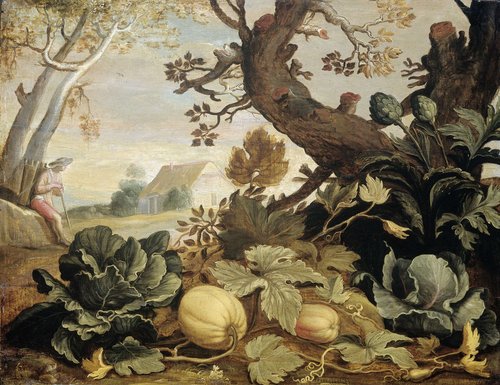
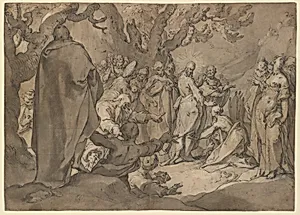
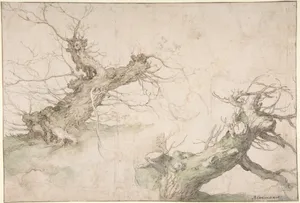
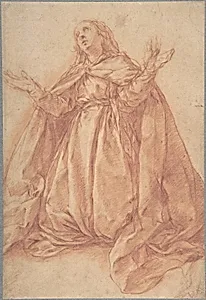
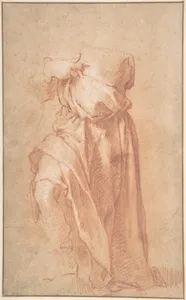
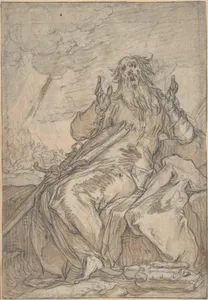
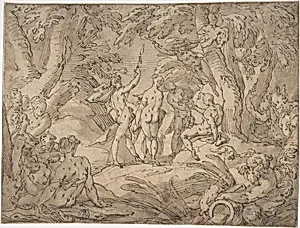
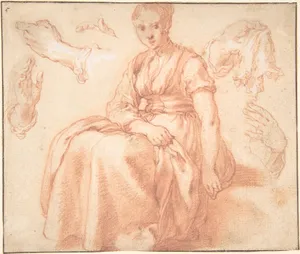
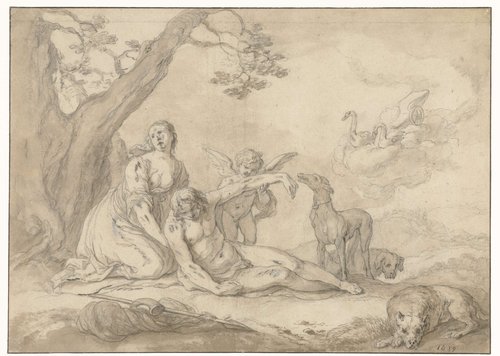
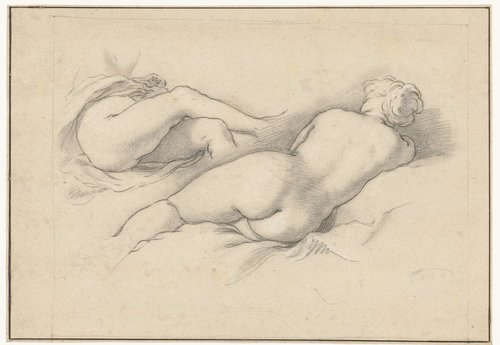
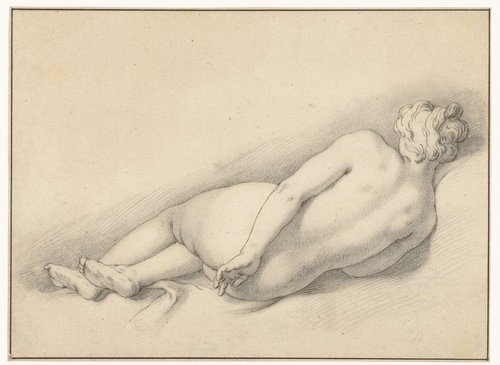
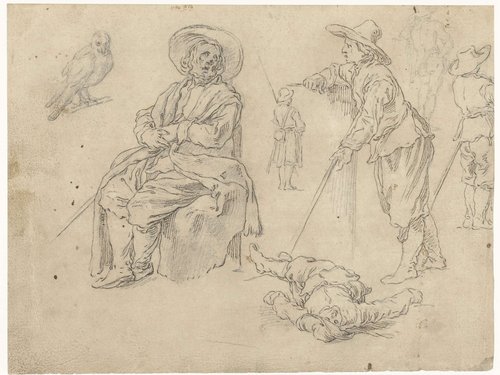
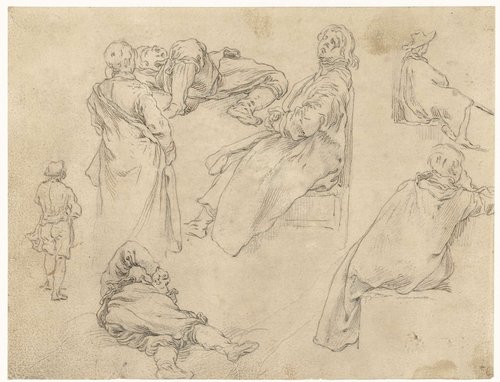
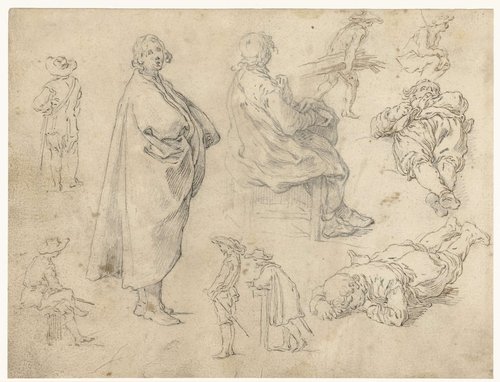
Prolific across an unusually long career, Bloemaert painted religious and mythological histories, landscapes, genre scenes, still lifes, and portraits. He also worked extensively as a draftsman and etcher. His drawn studies of peasant figures, gnarled trees, and atmospheric landscapes became famous teaching resources, later compiled and widely disseminated in his son Frederik's Tekenboek (Drawing Book), which served as a manual for generations of students.
Bloemaert's greatest influence may have been as a teacher. Among his students were many of the central figures of the Utrecht Caravaggisti—Hendrick ter Brugghen, Gerard van Honthorst, and Dirck van Baburen—as well as his own four artistically accomplished sons. Through this pedagogical legacy, Bloemaert shaped the direction of Dutch painting far beyond the borders of Utrecht, making him one of the most consequential artistic teachers of the Dutch Golden Age.