Ctrl K
1826–1896
Alfred Capel Cure (1826–1896) was a British artist whose career unfolded during the Victorian era, a period of remarkable diversity and ambition in British art. Active in a landscape tradition shaped by the achievements of John Constable and J.M.W. Turner, Cure worked at a time when watercolor and drawing held an especially prominent place in English artistic culture, embraced both by professional painters and by educated amateurs for whom artistic accomplishment was a mark of refinement.
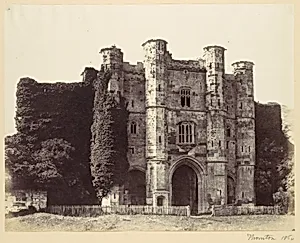
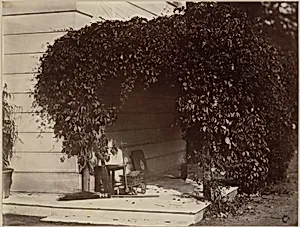
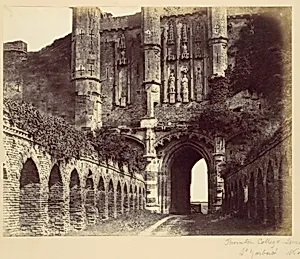
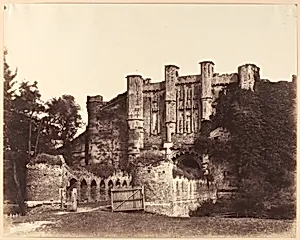
Cure's surviving works reflect an affinity for natural observation and careful rendering, consistent with the broader Victorian interest in accuracy and detail. He worked in a tradition that placed great emphasis on sketching from life, and his output suggests a patient and disciplined approach to his subjects. The forty-six works attributed to him in institutional collections attest to a sustained and committed practice across several decades.
Though Cure did not achieve the celebrity of the most celebrated Victorian painters, he contributed to the rich texture of British artistic life in the nineteenth century. Artists working at his level — competent, earnest, and productive — formed the backbone of the exhibition culture and patronage networks that sustained the arts during this period.
Cure's legacy lies in his contribution to the documentary and aesthetic record of Victorian Britain. His works offer a window into the visual sensibilities of an era when art was deeply woven into the fabric of middle- and upper-class life, and when landscape and natural beauty were understood as subjects worthy of sustained artistic attention.