Ctrl K
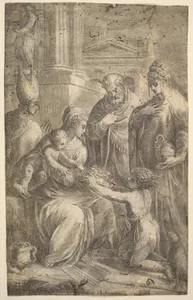
1510–1563
Andrea Schiavone, born Andrea Meldolla around 1510 or 1515 in Zara (modern Zadar, Croatia), in Venetian-ruled Dalmatia, hailed from a family rooted in Meldola near Forlì in Romagna, Emilia-Romagna. His father, Simon Meldolla, served as a garrison commander there, and both parents originated from Meldola, where the family held property into the early 16th century. Nicknamed "Schiavone"—"the Slav"—after relocating to Venice in the late 1530s, reflecting his Dalmatian roots, he trained either in Zara or Venice, though specifics remain elusive; claims of apprenticeship under Parmigianino or Bonifazio de Pitati are unproven. By the late 1530s, he was established in Venice, working primarily for private patrons in fresco, panel painting, and innovative etching.
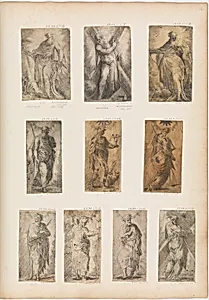
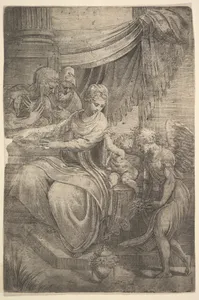
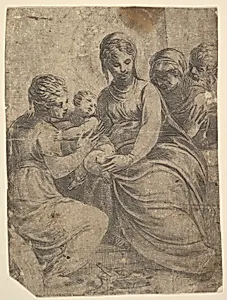
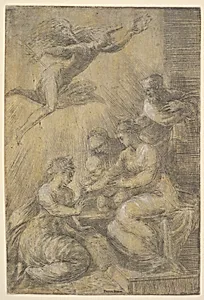
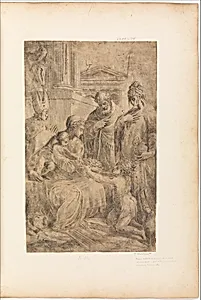
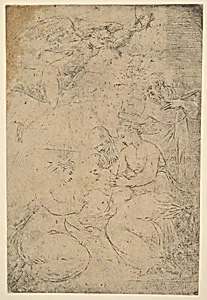
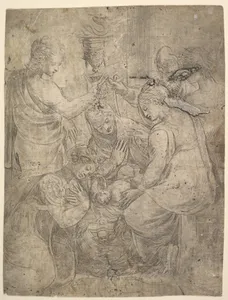
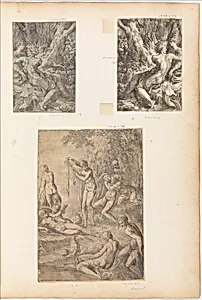
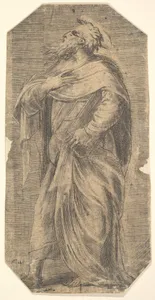
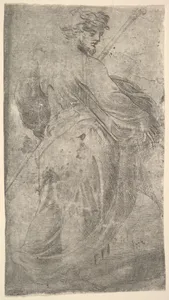
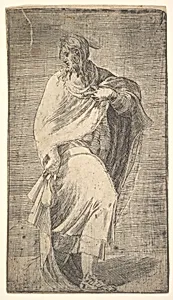
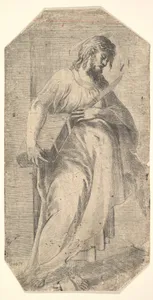
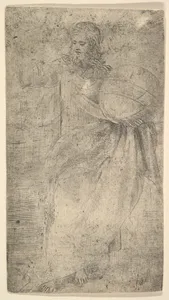
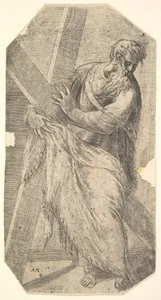
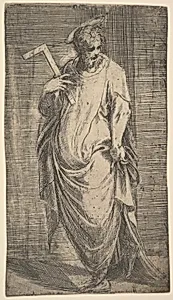
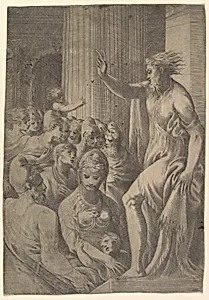
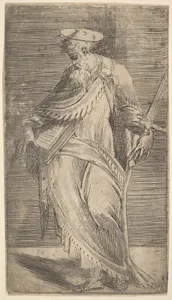
Schiavone's style fused Mannerist elements drawn from Parmigianino and central Italian sources with the lush, atmospheric techniques of Venetian masters like Titian, blending Raphael's compositions with Titian's color and light to create dense, immersive scenes where forms dissolve into shadow and air. This bold synthesis shocked some contemporaries but invigorated Venetian art, marking him as a bridge between Renaissance harmony and emerging Mannerism in the lagoon city. A self-taught etcher inspired by Parmigianino's drawings, he pioneered multidirectional hatching for tonal depth, evoking light, form, and atmosphere in prints that prefigured later masters.
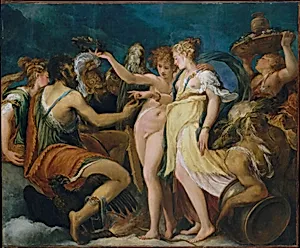
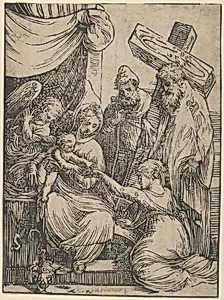
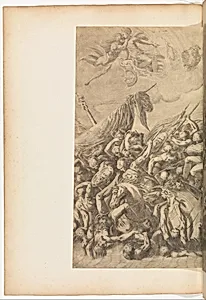
Among his major works are the *Holy Family with St. Catherine* (1552, Kunsthistorisches Museum, Vienna), showcasing his mature fusion of figures and mood; small-scale mythological scenes like *The Marriage of Cupid and Psyche*; and etchings such as *An Archer Seen from Behind* (c. 1550–1560). Giorgio Vasari commissioned a grand battle scene from him around 1540, affirming his rising status, though many paintings survive unattributed due to his workshop's output and stylistic overlaps with Tintoretto.
Schiavone's legacy endures as a pivotal innovator who influenced Titian, Tintoretto, and Jacopo Bassano, while his etching techniques resonated with 17th-century artists like Rembrandt and Castiglione. Dying in Venice in 1563, he left a corpus blending Dalmatian origins with Venetian splendor, enriching the Renaissance with his painterly vigor and technical daring.