Ctrl K
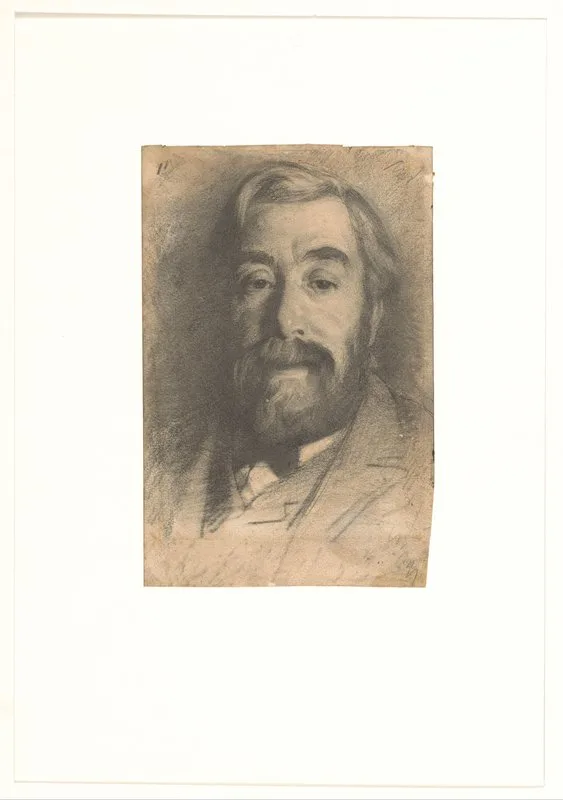
1838–1888
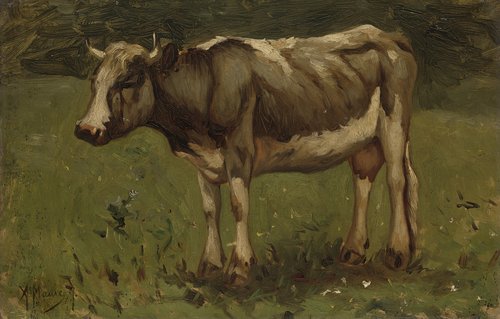
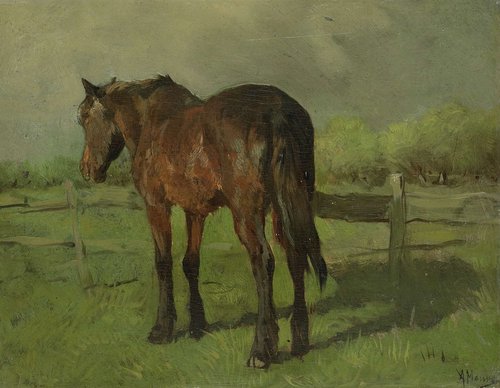
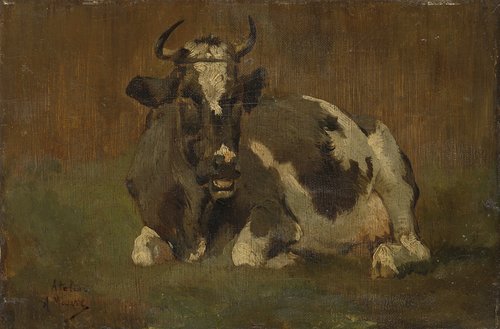
Anton Mauve (1838–1888), born Anthonij Rudolf Mauve in Zaandam, Netherlands, hailed from a family of North Holland clergymen. At age 16, he apprenticed under animal painter Pieter Frederik van Os in Haarlem, mastering depictions of livestock, before studying briefly with Wouterus Verschuur, whose equine subjects instilled a lifelong affinity for horses. He honed his plein air technique alongside Paul Gabriël at Oosterbeek, the "Dutch Barbizon," painting animals amid expansive landscapes. By 1871, Mauve settled in The Hague, emerging as a pillar of the Hague School alongside Jozef Israëls and the Maris brothers. There, he co-founded the Hollandsche Teekenmaatschappij in 1876 and shaped the influential Pulchri Studio.
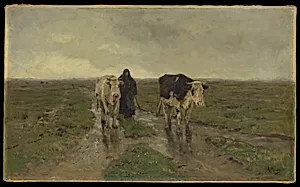
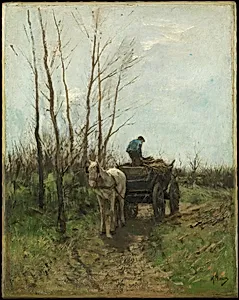
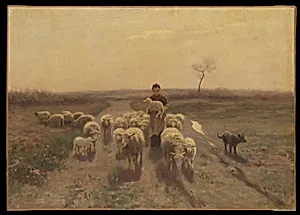
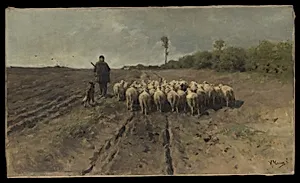
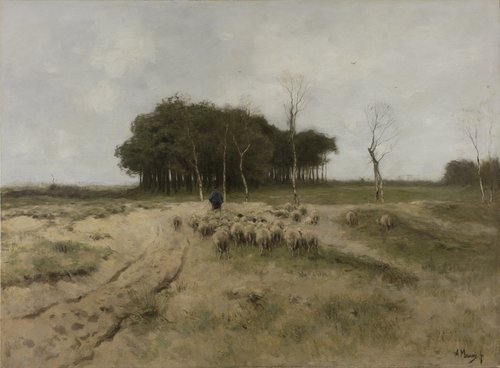
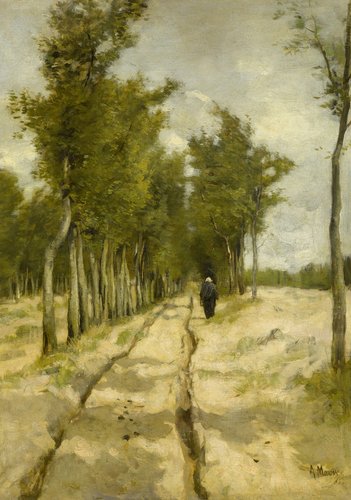
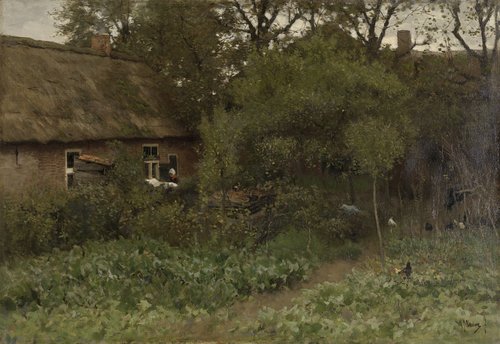
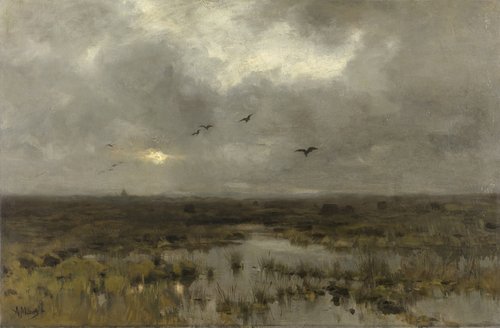
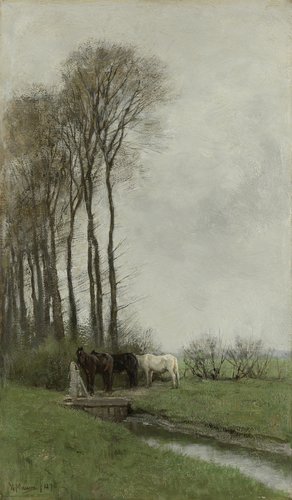
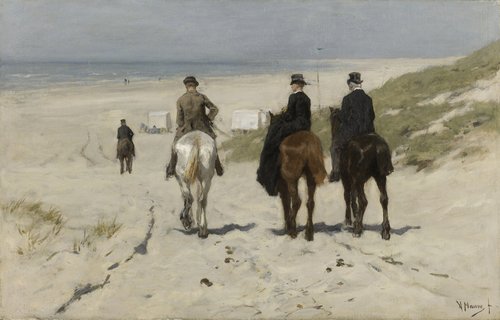
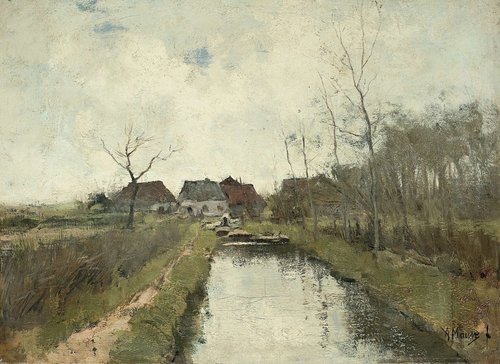
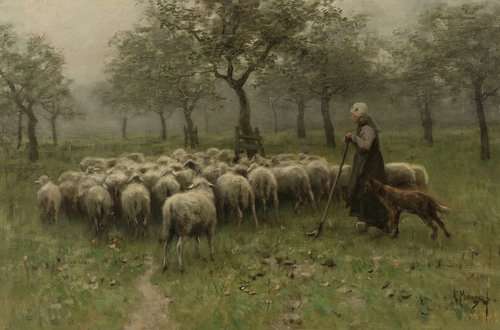
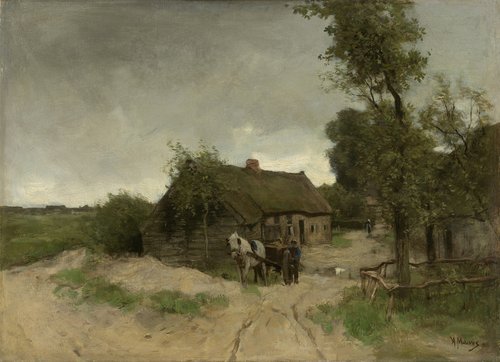
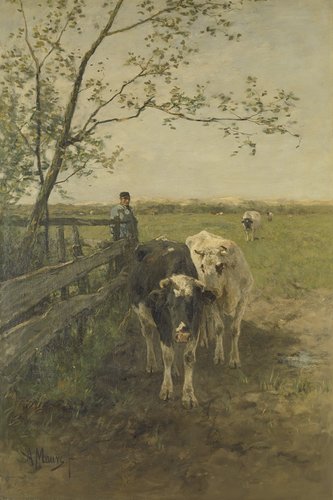
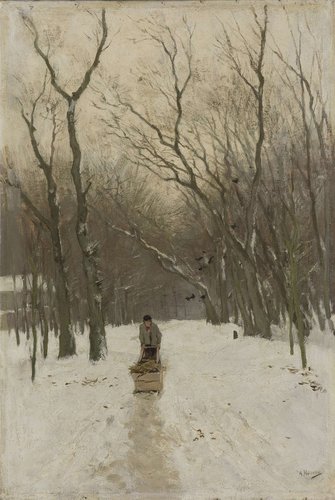
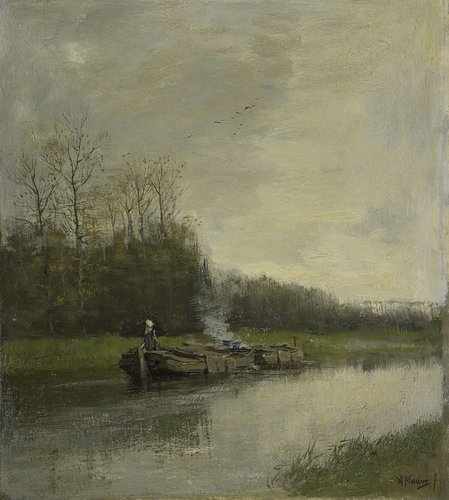
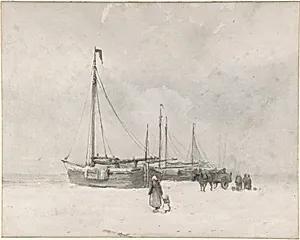
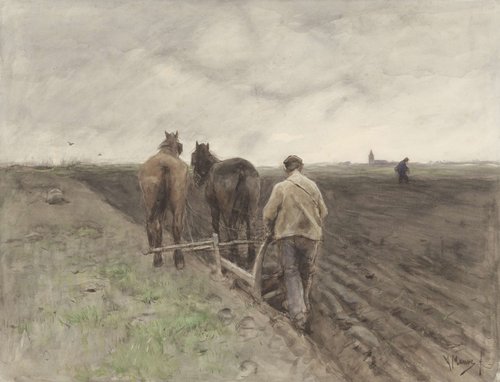
Mauve's oeuvre captures the somber beauty of Dutch rural life in tonal greys, muted greens, and blues, evoking moody skies over dunes, heathlands, and pastures—inspired by Barbizon painters like Corot and Millet. Abandoning early polished finishes for looser brushwork, he portrayed peasants, fishermen, and shepherds with unflinching realism, as in *Milking Time* (c. 1875), showing a woman in traditional garb tending cows, and *Morning Ride on the Beach* (1876), where horse droppings foreground riders on Scheveningen sands. Other landmarks include *Launching a Fishing Boat (Type 'Pink') in the Sea*, *Riders in the Snow in the Haagse Bos* (1879), and late Laren scenes like *The Return of the Flock* (c. 1886–1887). In 1885, he relocated to Laren, fostering the Larense School—earning the Gooi region the moniker "Mauve land" abroad.
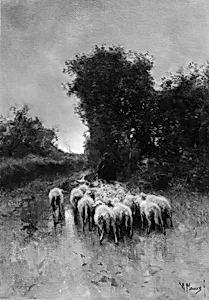
Married in 1874 to Ariëtte Carbentus—first cousin to Vincent van Gogh's mother—Mauve profoundly shaped his cousin-in-law's early career. In late 1881, he tutored Van Gogh in oils and watercolors at his Hague studio, lending supplies despite their eventual rift. Sheep flocks proved especially lucrative with American collectors, cementing Mauve's legacy as a master colorist of everyday toil. His sudden death in Arnhem at 49 spurred Van Gogh to dedicate an orchard painting "Souvenir de Mauve," underscoring enduring reverence for Mauve's lyrical realism.