Ctrl K
1757–1822
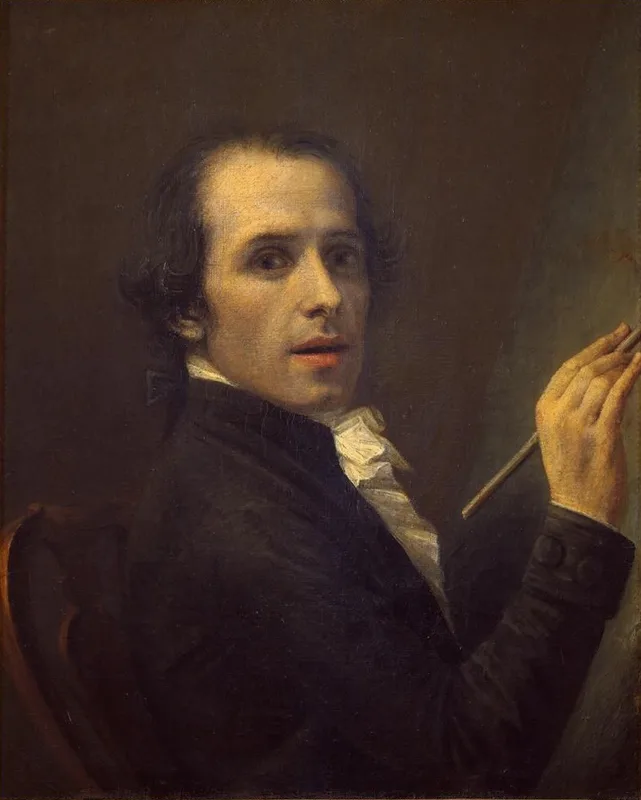
Antonio Canova, born on November 1, 1757, in the small town of Possagno in the Republic of Venice, was immersed in sculpture from childhood. His father, Pietro Canova, a stonecutter, died when Antonio was just four, prompting his mother, Angela Zardo Fantolin, to remarry and place him under the care of his paternal grandfather, Pasino Canova. A skilled stonemason and sculptor of late Baroque altars and reliefs, Pasino introduced the boy to the craft, fostering his early talent. By age nine, Canova had carved two small Carrara marble shrines, and before ten, he was modeling in clay and working marble. In 1770, he apprenticed for two years under Giuseppe Bernardi (known as Torretto), followed by study with Giovanni Ferrari. He then enrolled at Venice's Accademia di Belle Arti, winning prizes and securing a workshop in a monastery.
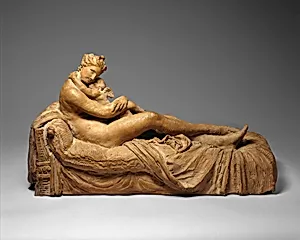
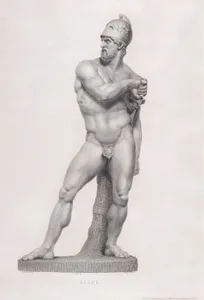
Canova's arrival in Rome in 1780 marked his pivot to Neoclassicism, sketching Michelangelo's works and refining a style of idealistic purity and severity that eclipsed even revered antiques like the Medici Venus. Blending classical Greek and Roman precision with subtle Romantic grace, he polished surfaces to luminous perfection using pumice and patina, often by candlelight for soft transitions. His oeuvre spans heroic nudes, graceful groups, and solemn tombs, executed in his innovative pointing system where assistants rough-carved from his plaster models.
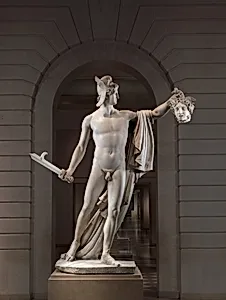
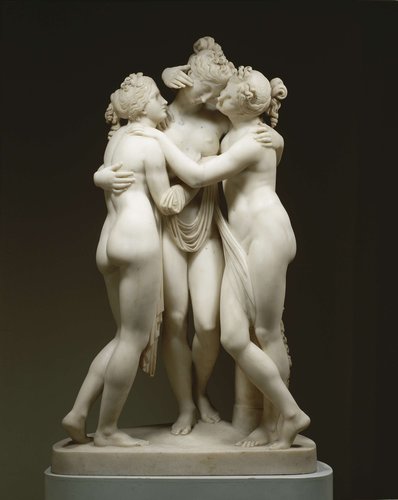
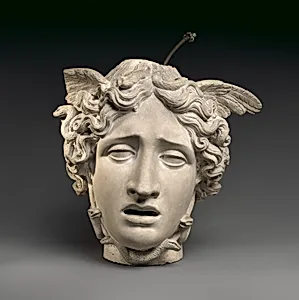
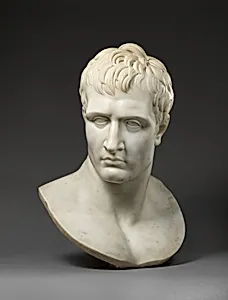
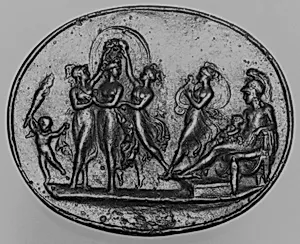
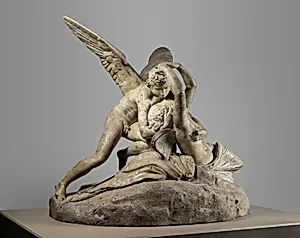
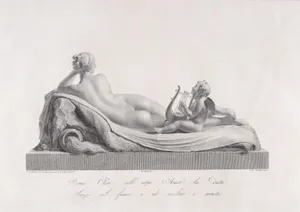
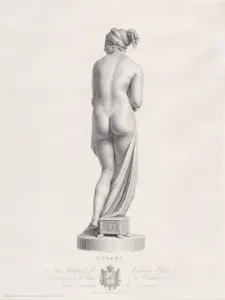
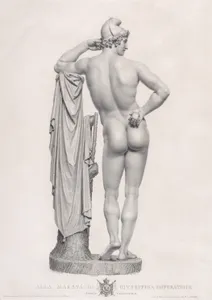
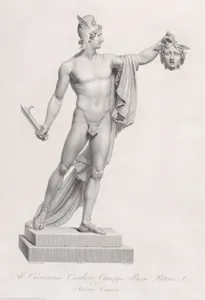
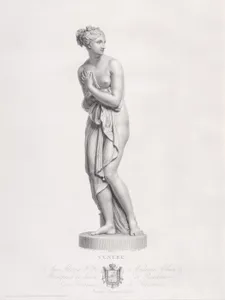
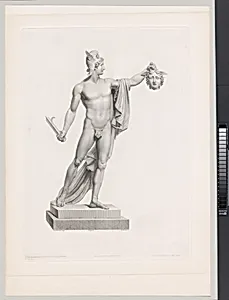
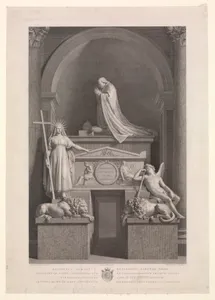
Early masterpieces include the Rococo-tinged Orpheus and Eurydice (1775–1777, now Museo Correr, Venice), Daedalus and Icarus (1779), and Theseus Vanquishing the Minotaur (1781, Victoria and Albert Museum). In the 1780s, he crafted iconic ideal sculptures like Psyche Revived by Cupid's Kiss (1787–1793, Louvre) and funerary monuments for Popes Clement XIV (1783–1787) and XIII (1792). Later triumphs feature Perseus with the Head of Medusa (1804–1806, Vatican), the portrait Venus Victrix of Pauline Borghese (1805–1808, Galleria Borghese), and The Three Graces (1814–1817, Victoria and Albert Museum). Renowned for naturalistic portraits in classicizing formats, he sculpted Napoleon as Mars the Peacemaker (1802–1806) and George Washington (1820).
As the preeminent Neoclassical sculptor, Canova's influence bridged antiquity and modernity, mentoring figures like Richard Westmacott indirectly and repatriating looted art. He died in Venice on October 13, 1822, at 64, his body enshrined in Possagno's Tempio Canoviano—a project he funded—his heart in Venice's Frari Basilica, and right hand preserved at the Accademia. His legacy endures in museums worldwide, affirming his era's sculptural pinnacle.