Ctrl K
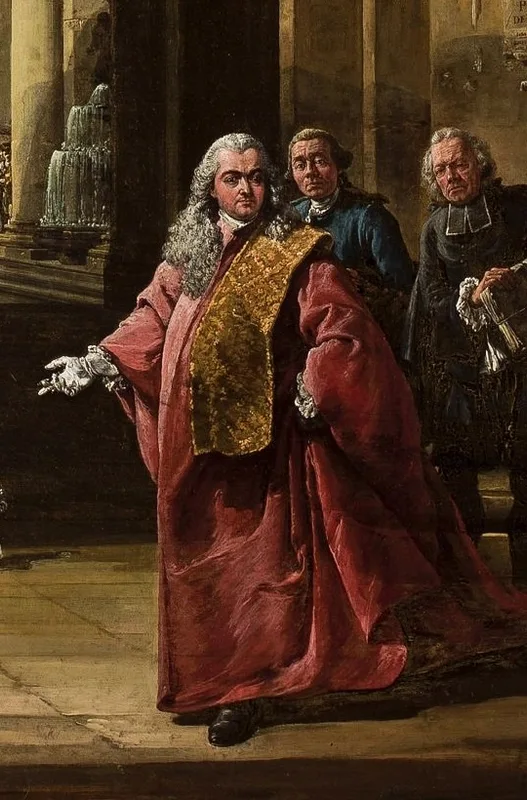
1722–1780
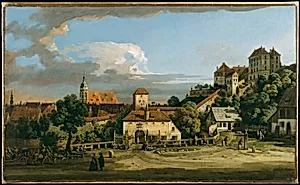
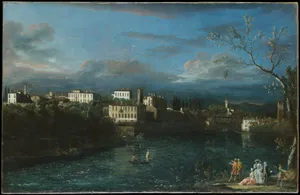
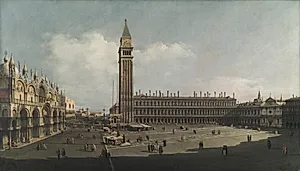
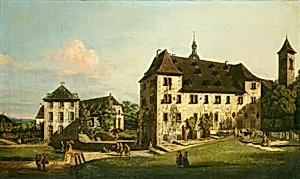
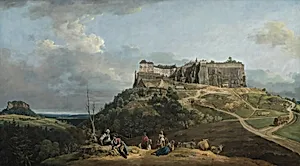
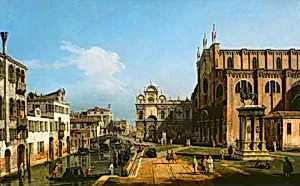
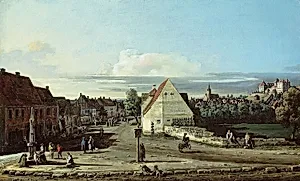
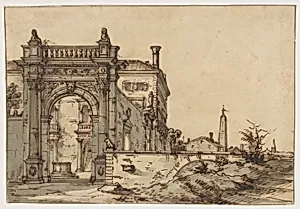
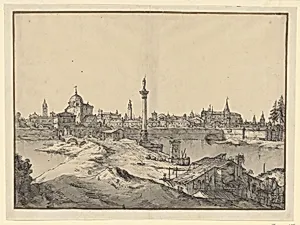
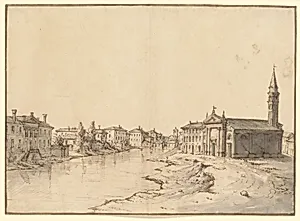
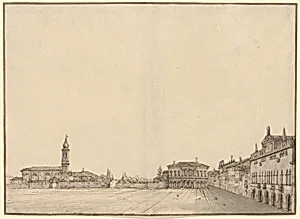
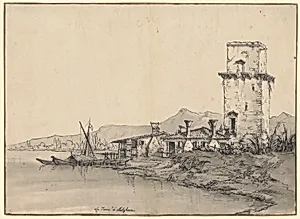
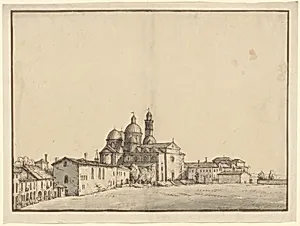
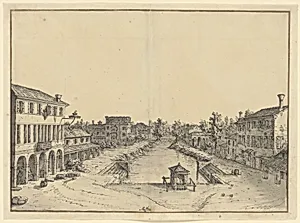
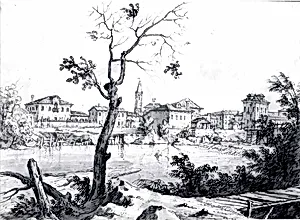
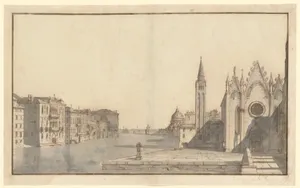
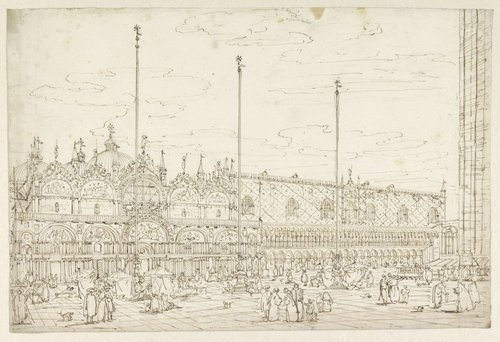
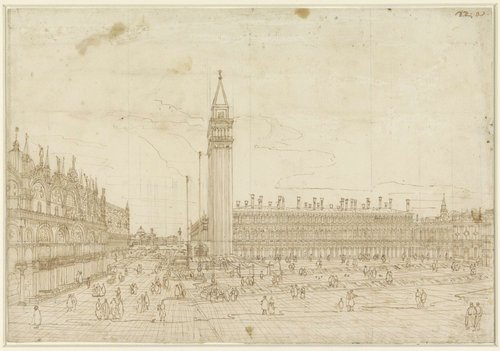
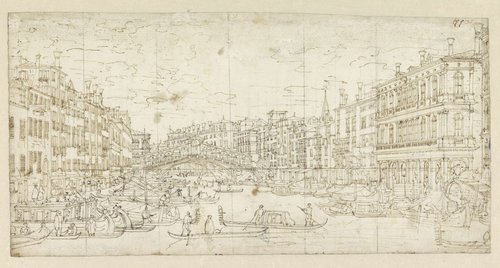
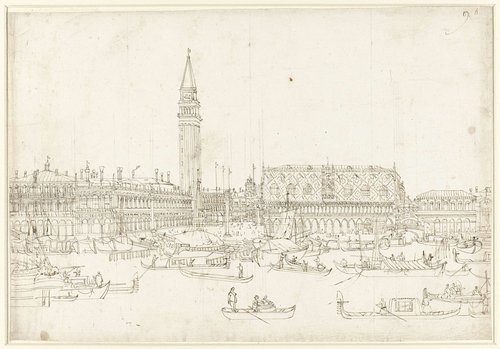
Bernardo Bellotto (1722–1780) was an Italian painter of exceptional gifts who carried the art of the veduta — the precisely observed topographical view — from Venice across the courts of northern Europe, leaving behind some of the most detailed and haunting urban panoramas in the history of Western painting. Born in Venice, he was the nephew and pupil of the great vedutista Giovanni Antonio Canal, known as Canaletto, under whose guidance he developed his command of perspective, architectural draftsmanship, and the luminous handling of light and atmosphere that defined the Venetian view-painting tradition.
Bellotto's early career was spent in Venice and Rome, where he established his reputation with views of exceptional precision and atmospheric depth. In 1747, at the invitation of the Elector of Saxony Augustus III, he moved to Dresden, where he produced his celebrated series of Dresden views — large-format canvases depicting the city's baroque skyline and riverside panoramas with a fidelity so precise that they later served architects in the reconstruction of the city after the devastation of World War II. This extraordinary documentary value is unique in the history of painting.
From Dresden, Bellotto also worked at the courts of Munich and Vienna before eventually settling in Warsaw, where he became court painter to King Stanisław August Poniatowski. His Warsaw views, similarly precise and comprehensive, were used in the postwar rebuilding of the Polish capital and today occupy a central place in Polish cultural memory. Bellotto's palette tended toward cooler, more silvery tones than his uncle's warmer Venetian light, giving his cityscapes a characteristic clarity and slightly melancholy grandeur.
Bellotto's legacy is twofold: he is celebrated both as a master of the veduta tradition and as an artist whose work performed a remarkable act of cultural preservation, recording cities that were later transformed by war and time. His paintings are held in major collections across Europe and are recognized as indispensable documents of eighteenth-century urban life.