Ctrl K
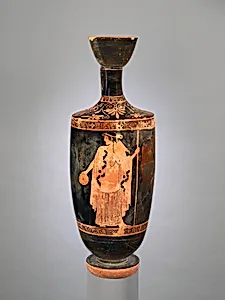
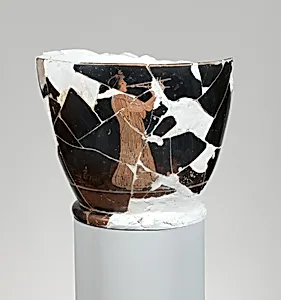
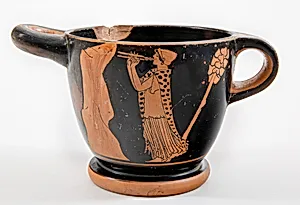
The Brygos Painter is one of the most gifted and prolific red-figure vase painters of ancient Athens, active in the early fifth century BCE during one of the most dynamic periods of Greek artistic development. Like most ancient Greek vase painters, he is known to us not by his personal name but by a conventional scholarly designation — in this case derived from the potter Brygos, whose name appears on several signed vessels decorated by this hand.
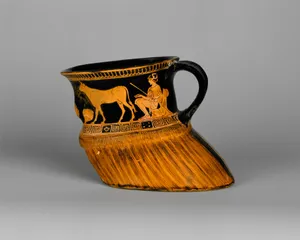
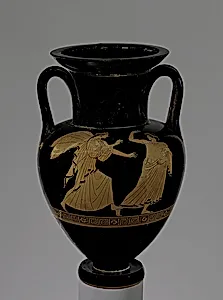
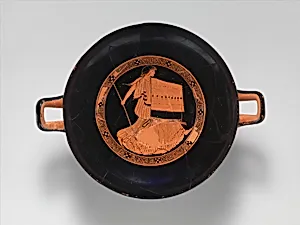
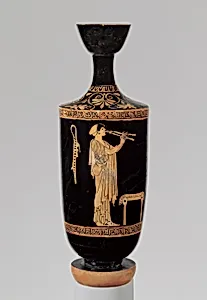
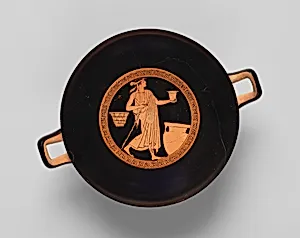
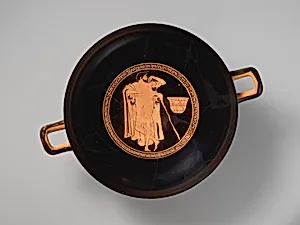
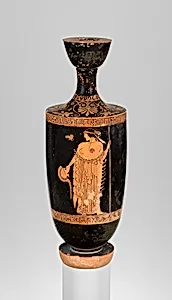
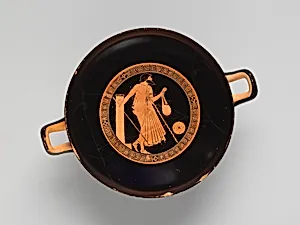
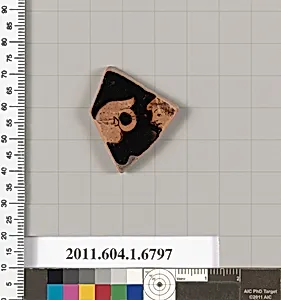
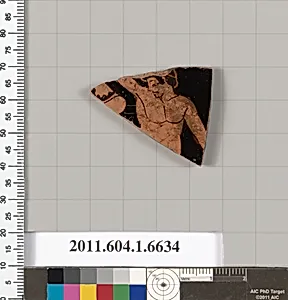
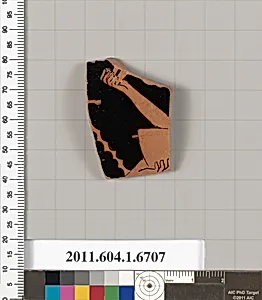
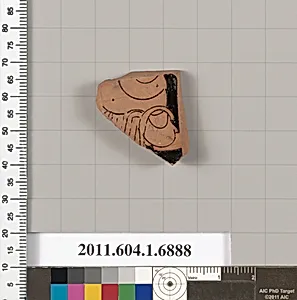
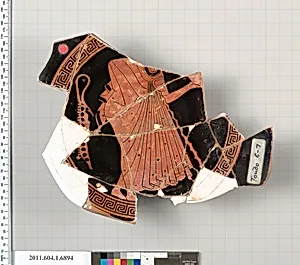
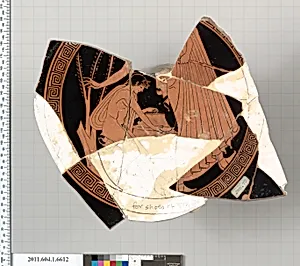
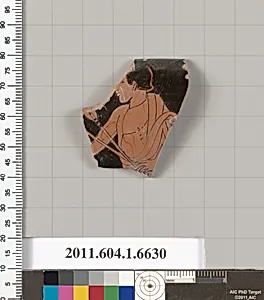
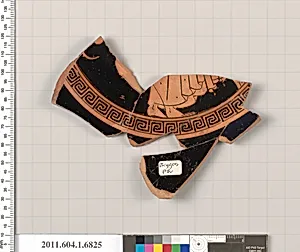
The Brygos Painter's style is immediately recognizable for its extraordinary energy and expressive intensity. His figures move with a restless vitality unusual even for the red-figure technique, their drapery swirling and their faces animated by a range of emotion rarely matched in contemporary work. He excelled particularly at scenes of revelry and myth: Dionysiac processions, battles between Greeks and Trojans, and the exploits of heroes lend themselves perfectly to his dynamic compositional approach. His kylikes — shallow drinking cups — are among the finest examples of the form, their interiors often featuring single figures of startling monumentality.
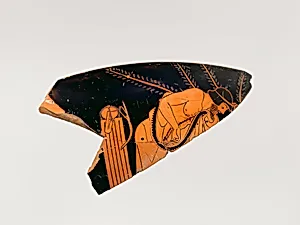
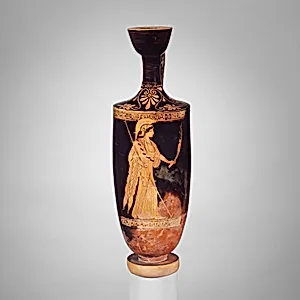
Among his most celebrated works are kylikes depicting the sack of Troy, scenes of symposia, and the exploits of Herakles. Museums in Boston, Paris, Würzburg, and London hold important examples. His command of the red-figure technique, with its reserved clay for flesh tones and fine incised detail, was exceptional, and he trained or influenced several artists who continued his tradition.
The Brygos Painter's legacy endures as a benchmark of classical Attic painting at its height. His work was rediscovered and named by the great scholar of Greek vases Sir John Beazley in the twentieth century, whose systematic attribution work brought deserved recognition to this anonymous genius of the ancient world.