Ctrl K
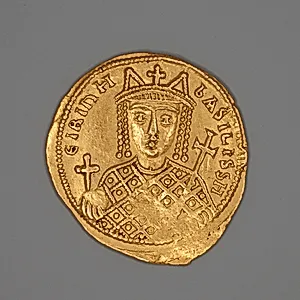
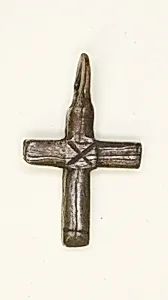
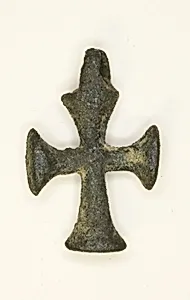
"Byzantine" is the collective attribution given to anonymous artists working within the Eastern Roman (Byzantine) Empire, whose creations spanned from the 4th to the 15th centuries, primarily in Constantinople and its cultural sphere. These masters produced a vast body of art that defined an era, with museums like the Walters Art Museum and the Art Institute of Chicago cataloging numerous works under this designation, including pendants, amulets, and icons from the Late Antique period onward. The early lives of these artists remain sparsely documented, as Byzantine culture emphasized the spiritual over the personal, with creators often laboring anonymously in imperial workshops or monastic scriptoria.
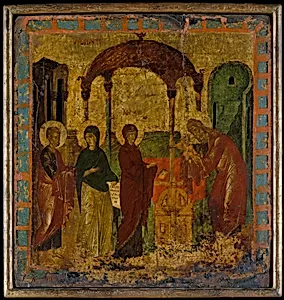
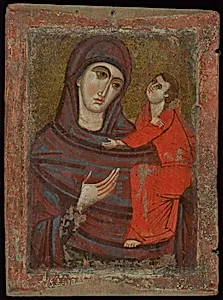
Training occurred within tightly regulated guild-like structures in Constantinople, where by the 12th century thousands of icon painters honed their craft amid fierce competition for commissions from churches, palaces, and private patrons. They worked in the Byzantine school tradition, mastering a stylized aesthetic that prioritized symbolic representation over naturalism: elongated figures with serene expressions, shimmering gold backgrounds evoking divine light, and frontal poses to convey otherworldly sanctity. This two-dimensional approach dominated mosaics, frescoes, panel icons, and illuminated manuscripts, almost exclusively depicting Christian subjects like Christ Pantocrator, the Virgin Theotokos, and saints.
Among the most celebrated surviving works are the 6th-century mosaics of Hagia Sophia, showcasing imperial and divine figures in radiant tesserae, and portable icons such as the 5th-6th century Pendant Amulet Depicting the Holy Rider with Christ Crucified on the reverse from the Walters collection. Later examples include 14th-15th century icons blending Byzantine rigor with emerging realism, as seen in Cretan school pieces influenced by the tradition.
The legacy of Byzantine artists endures as the cornerstone of Eastern Orthodox iconography, profoundly shaping Russian, Balkan, and Italian Renaissance art—evident in masters like Andrei Rublev and even early Western painters. Their emphasis on transcendence over individualism revolutionized sacred art, ensuring that 101 such works in modern collections continue to inspire awe and devotion.