Ctrl K
1593–1670
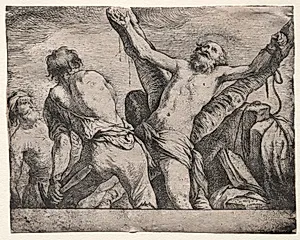
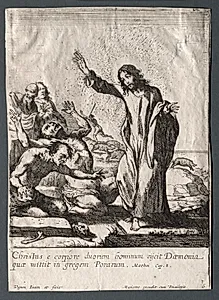
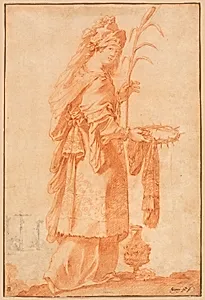
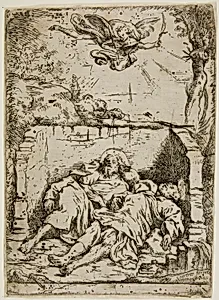
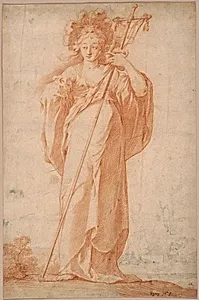
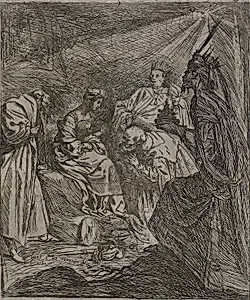
Claude Vignon was born on May 19, 1593, in Tours, France, into a wealthy family, and he died on May 10, 1670, in Paris. He received his initial artistic training in Paris under the Mannerist painter Jacob Bunel, a key figure in the Second School of Fontainebleau. Vignon traveled extensively in his youth, likely visiting Rome as early as 1609–1610 and settling there by 1616–1619 among the French artistic community, including Simon Vouet and Valentin de Boulogne. A second trip to Rome followed in 1617, and he ventured to Spain, where he survived a brutal bandit attack in Barcelona that scarred his face. Returning to France by 1623, he joined the Paris Painter's Guild in 1616 and built a thriving workshop.
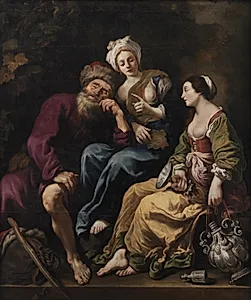
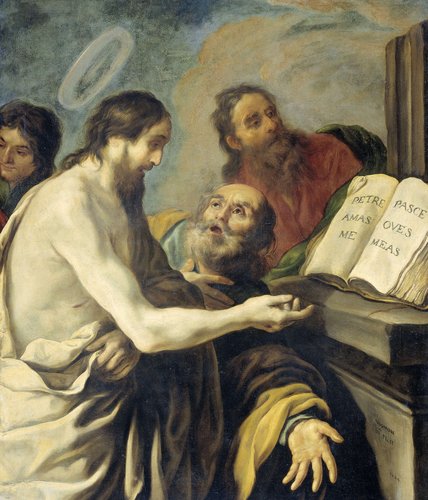
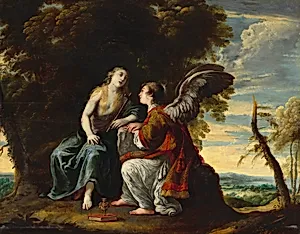
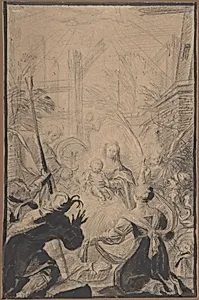
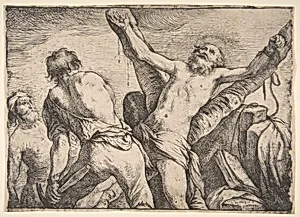
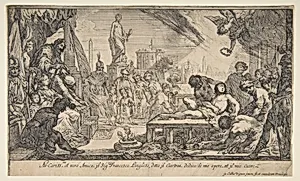
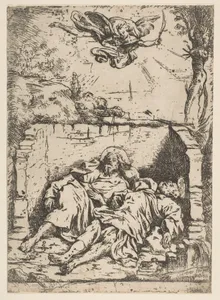
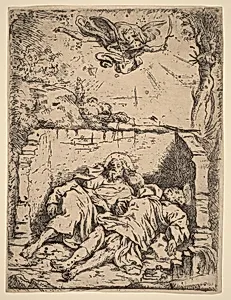
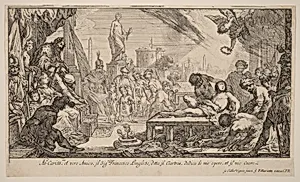
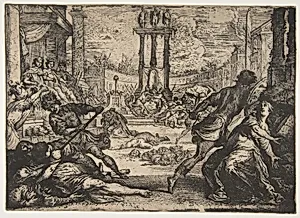
Vignon's style was strikingly eclectic, evolving from the elongated forms and artificiality of Mannerism—imbibed from Bunel—to the dramatic tenebrism and naturalism of Caravaggism encountered in Rome. Influenced by Bartolomeo Manfredi, Domenico Fetti, Adam Elsheimer, Pieter Lastman, and Leonaert Bramer, his paintings blended Venetian color, Dutch precision, and German expressionism into vibrant, theatrical compositions. By the 1620s, his works featured electric brushwork, rich impasto for jewels and fabrics, and a palette of pinks, blues, golds, and reds against gray tones. Later pieces from the 1640s shimmered with encrusted paint like chased silver under sepulchral moonlight, earning him recognition as a "pre-Rembrandtist" for his expressive lighting and pathos.
Among his major works are *Christ Among the Doctors* (1623, Musée de Grenoble), *Solomon and the Queen of Sheba* (1624, Louvre)—noted for its exotic drama and golden impasto—and *Parable of the Unforgiving Servant* (1629). Others include *Vision of St. Jerome* (1616, Nationalmuseum, Stockholm) and *Triumph of St. Ignatius* (1628, Musée des Beaux-Arts d'Orléans). Patrons like King Louis XIII, Cardinal Richelieu, and the Duchesse de Longueville commissioned him, including gallery decorations at Château du Thorigny (1651–1653). Married twice—first to engraver Thomas de Leu's daughter Charlotte in 1624, then Geneviève Ballard in 1644—Vignon fathered 35 children, including painter sons Claude the Younger (1633–1703) and Philippe (1638–1701), and daughter Charlotte, who worked in his studio.
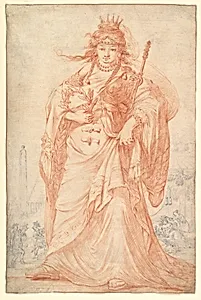
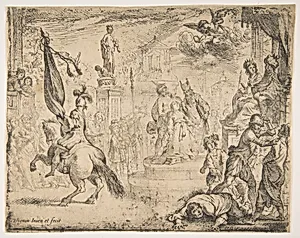
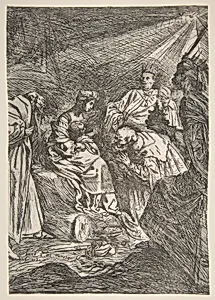
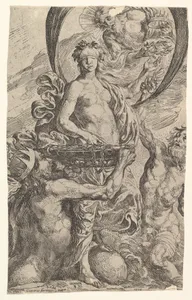
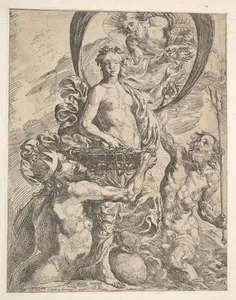
Admitted to the Académie Royale in 1651, Vignon's prolific output as painter, etcher, and illustrator for literary salons like Hôtel de Rambouillet influenced French Baroque art. His enigmatic versatility bridged Mannerism and emerging classicism, foreshadowing Rembrandt's innovations and cementing his legacy as one of Louis XIII and XIV's most distinctive artists.