Ctrl K
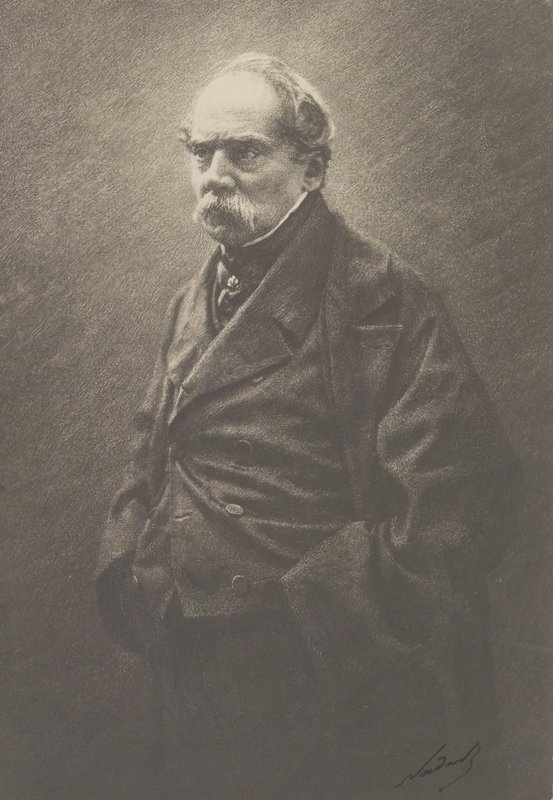
1802–1892
Constantin Guys, born Ernest-Adolphe-Hyacinthe-Constantin Guys de Saint-Hélène on December 3, 1802, in Vlissingen, Netherlands, to French parents François Lazare Guys and Elisabeth Bétin, spent his early years in a naval family that relocated to Calais around 1805. His early life is not well documented, with no records of formal art training, teachers, or schools; Guys appears to have been largely self-taught, developing his skills through observation and practice. By age 20, he served in the cavalry and later traveled to Greece, possibly with Lord Byron, before embarking on a peripatetic career as a journalist and illustrator. In the 1840s, he contributed to British publications, and during the Crimean War (1853–56), he reported as a correspondent for *The Illustrated London News*, producing vivid on-the-spot sketches of battles and soldiers.
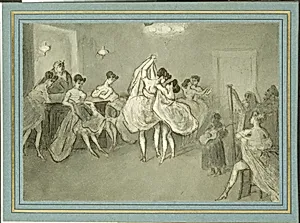
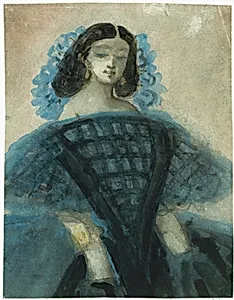
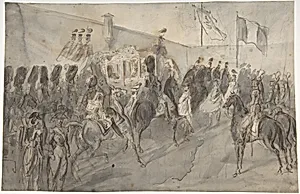
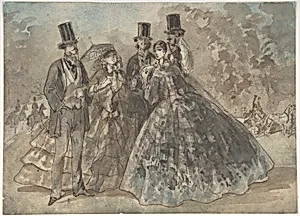
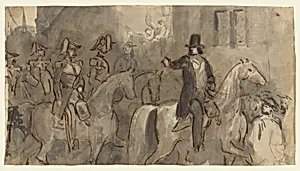
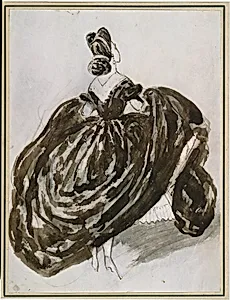
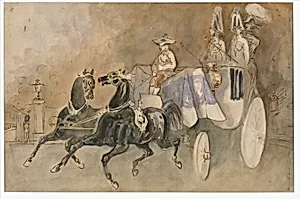
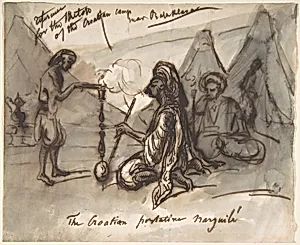
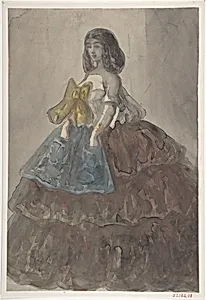
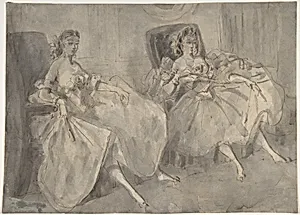
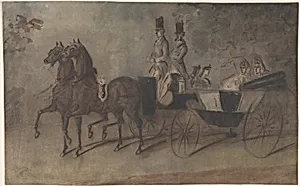
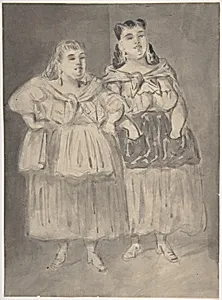
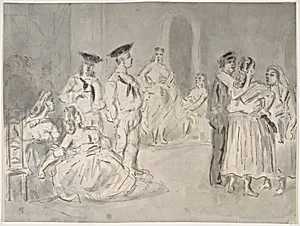
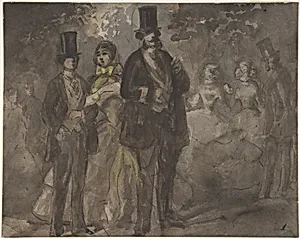
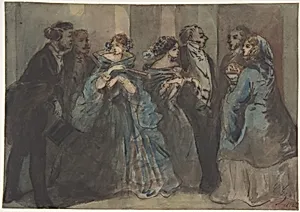
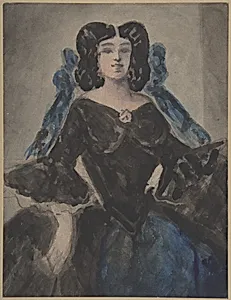
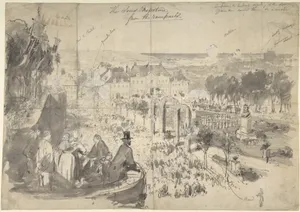
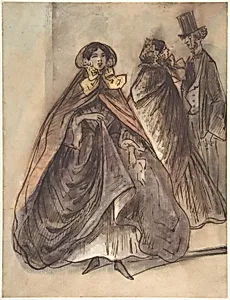
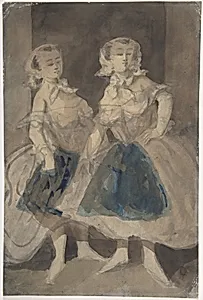
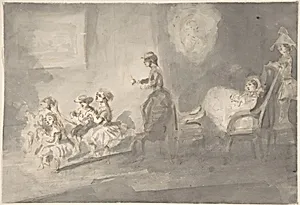
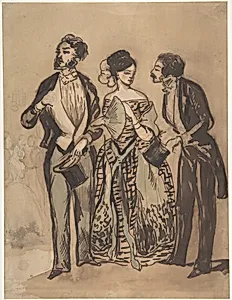
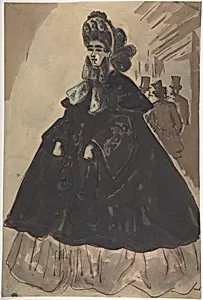
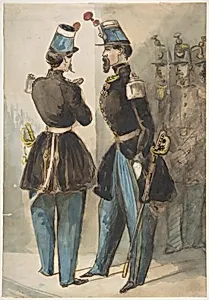
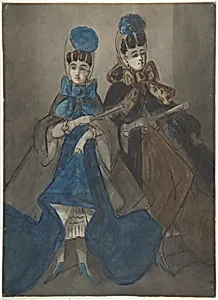
Settling in Paris in the 1860s amid the opulent Second French Empire, Guys captured the era's fleeting modernity in pen-and-ink drawings and watercolors, focusing on fashionable women, theatergoers, carriage processions in the Bois de Boulogne, and street life—grisettes, officers, and dandies in intricate attire. Working in the Realist tradition, he eschewed grand history painting for the ephemeral "painter of modern life," a title bestowed by Charles Baudelaire in his seminal 1863 essay "Le Peintre de la vie moderne," which pseudonymously celebrated Guys as "Monsieur G." for his acute eye on contemporary spectacle. Key works include *The Croatian Portative Narguilé* (1855), a wartime genre scene; *Meeting in the Park* (ca. 1860); *Promenade en carosse* (ca. 1863); and *Leaving the Theater* (19th century), all rendered with fluid lines, subtle washes, and dynamic immediacy.
A carriage accident in 1885 left Guys crippled and impoverished, and he died in obscurity on December 13, 1892. Yet his legacy endured: Gustave Geffroy dubbed him "l'historien du Second Empire" in a 1920 monograph, praising his chronicle of Napoleon III's Paris. Guys influenced later modernists, including Pablo Picasso, whose *Les Demoiselles d’Avignon* echoed his groupings, and his works gained retrospective acclaim through exhibitions like Marlborough Fine Art's 1956 show. Today, Guys stands as a pioneering visual journalist, bridging Romanticism and modernity with his unflinching gaze on urban vitality.