Ctrl K
1533–1575
Corneille de Lyon, born around 1500 in The Hague in the Netherlands, emerged as one of the premier portraitists of the French Renaissance after settling in Lyon by 1533. A Netherlandish artist who became naturalized as a French citizen in 1547, he quickly rose in prominence, serving as official painter to the Dauphin (later Henry II) from around 1540 and continuing under Henry II and Charles IX as peintre et valet de chambre du roi. His studio in Lyon attracted nobles, courtiers, and middle-class sitters, capturing the elegance of the Valois court during a turbulent era of religious wars.
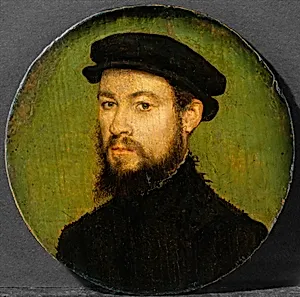
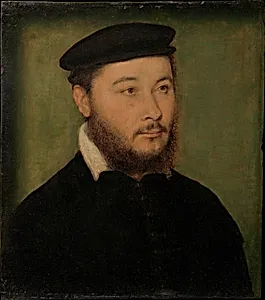
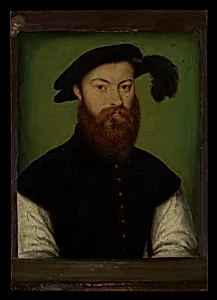
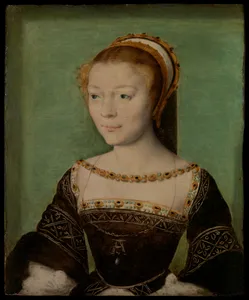
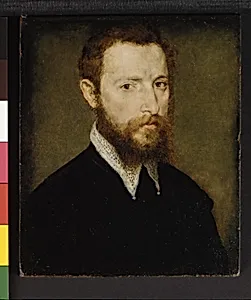
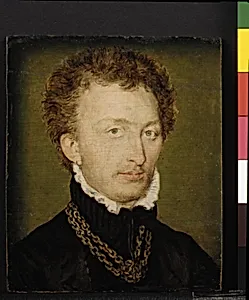
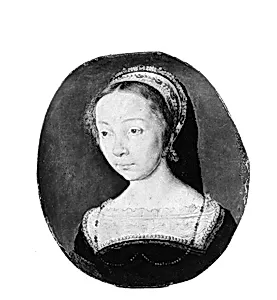
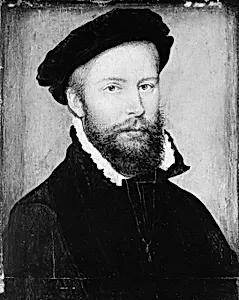
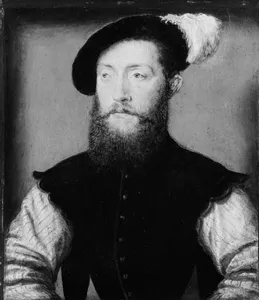
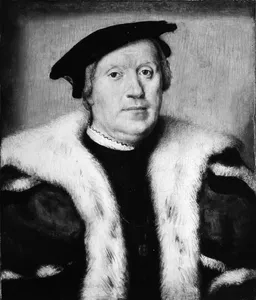
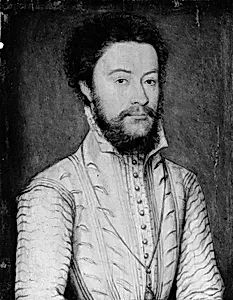
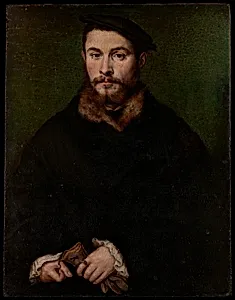
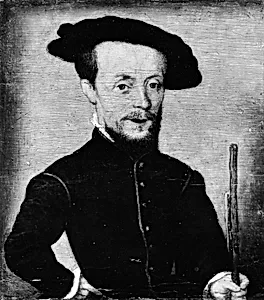
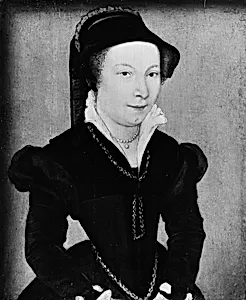
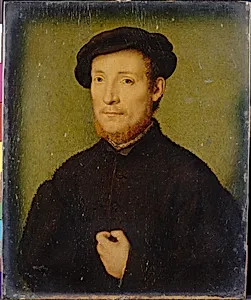
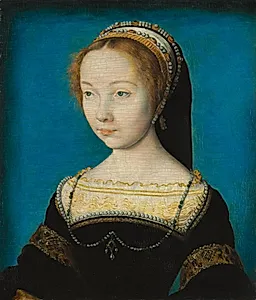
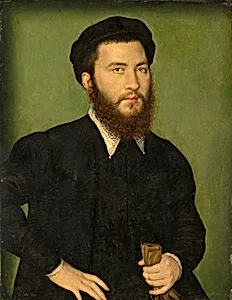
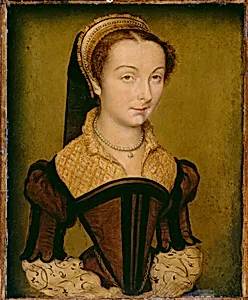
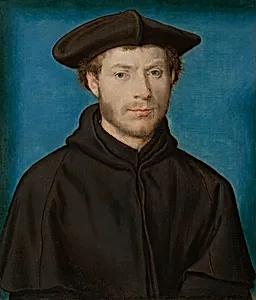
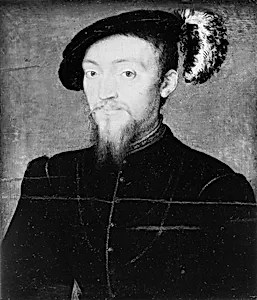
Little is known of Corneille's early life or training, which remains sparsely documented; he may have studied in The Hague or Antwerp, but no teachers or mentors are recorded. He worked in the tradition of the small-format portrait, echoing the style of Jean Perréal with its intimate scale—often no larger than a postcard—and naturalistic detail. His oil-on-panel works feature sitters against plain green or blue backgrounds, rendered with thinly painted flesh tones for lifelike subtlety and thicker impasto for foliage-like grounds. Hands and luxurious attire receive meticulous attention, blending Northern precision with a distinctly French expressiveness, akin to contemporaries like François Clouet.
Among his notable works are the Portrait of Henri, Dauphin of France (c. 1536, Galleria Estense), depicting the future king in youthful profile; the Portrait of Charles d'Angoulême (c. 1536, Uffizi); and François de Montmorency (1557, Clark Art Institute). Others include Robert de la Marck, 4th Duke of Bouillon (c. 1550, Thyssen-Bornemisza) and the undisputed Portrait of Pierre Aymeric (Louvre), alongside royal commissions like Madeleine of France (c. 1537) and Mary of Guise (c. 1537). Scores of small bust-length portraits of unidentified gentlemen and ladies survive in collections like the Metropolitan Museum, National Gallery London, and Louvre, many with uncertain attributions due to his unsigned oeuvre.
Corneille's legacy endures as a foundational figure in French portraiture, bridging Netherlandish technique and courtly sophistication. Though few autograph pieces are confirmed—around 20 to 30 firmly attributed—his influence shaped generations, earning high praise from Catherine de Médicis and Charles IX. His intimate, character-revealing portraits offer vivid glimpses into 16th-century elite life, cementing his reputation despite the challenges of attribution.