Ctrl K
1770–1854
Duncan Phyfe (1770–1854) was a Scottish-born American cabinetmaker who became the most celebrated furniture maker in the history of American decorative arts. Born Duncan Fife near Loch Fannich in the Scottish Highlands, he emigrated with his family to Albany, New York, around 1783–84, where he apprenticed to a cabinetmaker. By 1792 he had established his own workshop on Partition Street (later Fulton Street) in New York City.
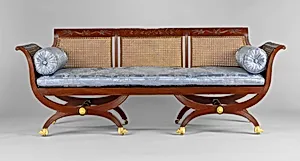
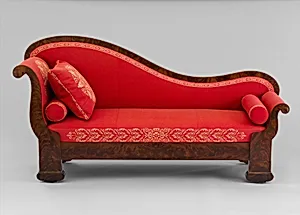
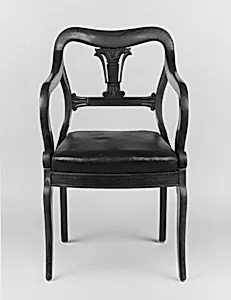
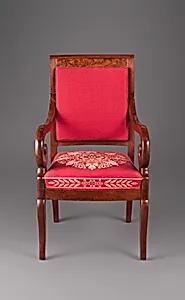
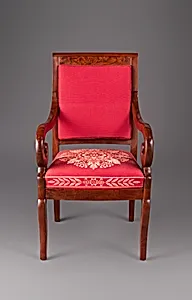
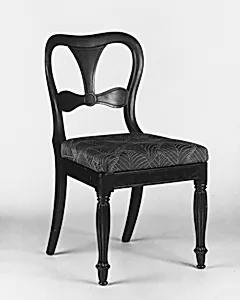
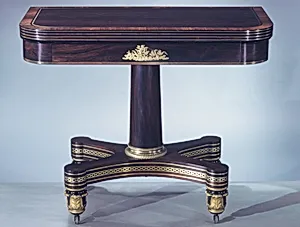
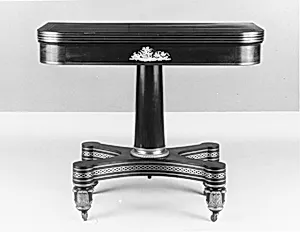
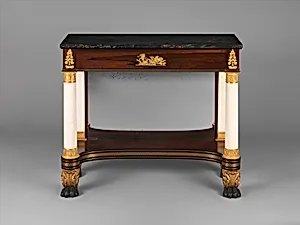
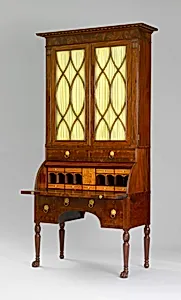
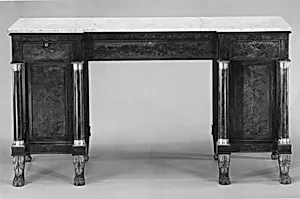
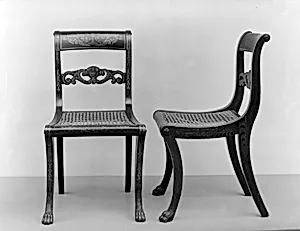
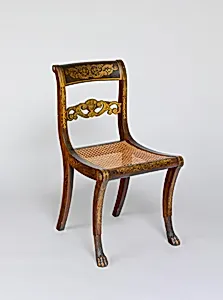
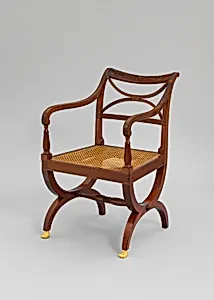
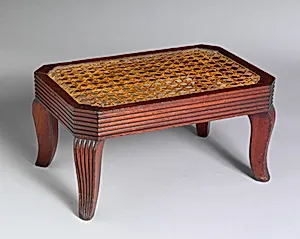
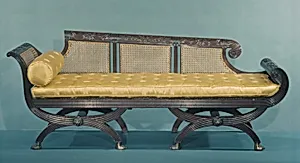
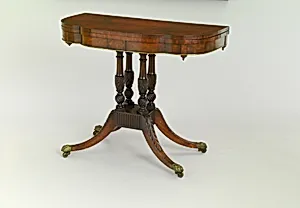
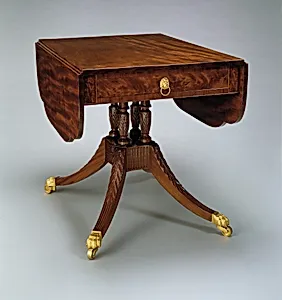
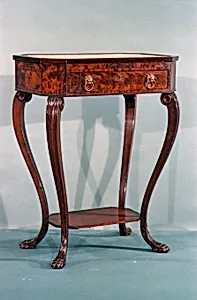
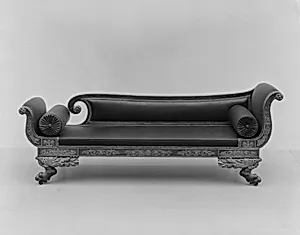
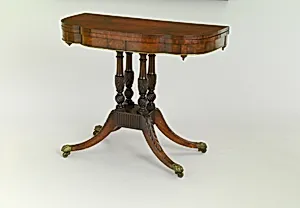
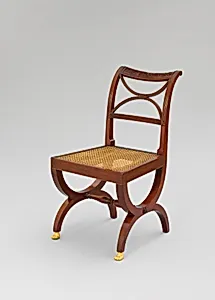
Phyfe's workshop grew into the largest and most fashionable furniture-making establishment in early nineteenth-century America, employing over 100 craftsmen at its peak. His furniture combined the elegant proportions and refined ornamentation of the English Regency and French Directoire styles with superb craftsmanship, producing pieces characterized by graceful curves, reeded legs, lyre-back chairs, carved acanthus leaves, and the use of fine mahogany.
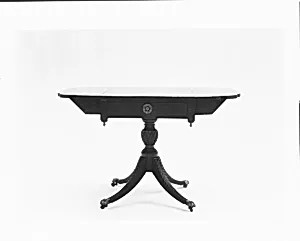
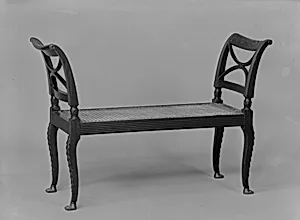
His most celebrated designs include his lyre-back side chairs, pedestal dining tables, window benches, and card tables, which established the standard for fashionable American furniture during the Federal and early Empire periods. Phyfe's work was patronized by New York's wealthiest families, and the "Phyfe style" became synonymous with elegant American neoclassical furniture.
Phyfe remained active until his retirement in 1847, adapting his designs over the decades to follow changing tastes from Federal through Empire to early Victorian styles. His furniture is held by the Metropolitan Museum of Art (which has an extensive collection), the Museum of the City of New York, Winterthur Museum, and numerous historic house museums. He remains the single most important name in American furniture history.