Ctrl K
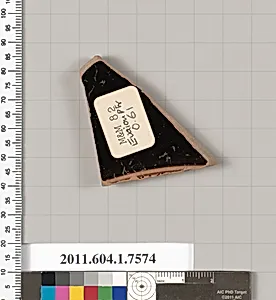
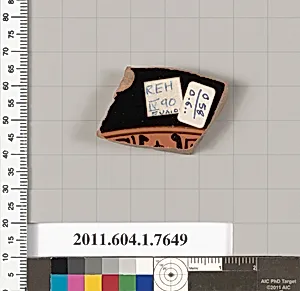
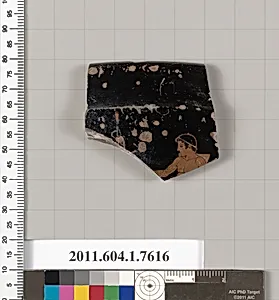
**The Euaion Painter** was an ancient Greek Attic vase painter active in Athens from approximately 460 to 440 BCE. Like most vase painters of the period, his true name remains unknown; scholars named him after the inscription “Euaion kalos” (“Euaion the fair”) that appears on one of his works now in the Louvre. This Euaion was the son of the tragedian Aeschylus and a favorite subject of contemporary painters, celebrated for his beauty.
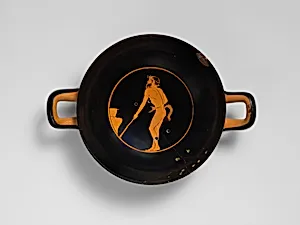
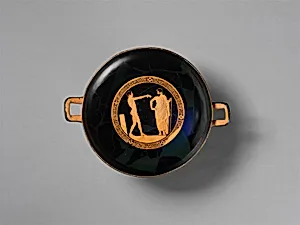
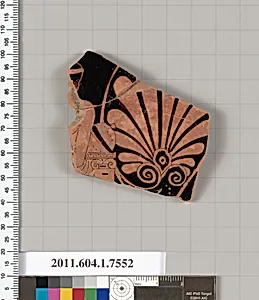
The artist worked exclusively in the red-figure technique and is recognized as a student of the renowned painter Douris, whose influence is evident in his approach to composition and figure drawing. His distinctive style features tall, slender figures with small heads that rarely overlap, creating elegant, open compositions suited to the curved surfaces of drinking cups. While he specialized in kylikes (stemmed drinking cups), he also decorated smaller vessels such as pyxides used for storing personal items.
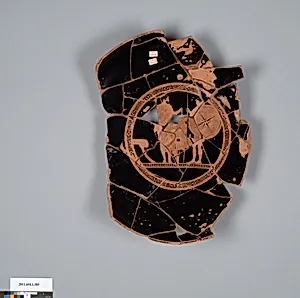
More than two dozen vases have been attributed to him, many now in major museum collections worldwide. These works typically depict mythological scenes, athletic contests, and everyday Athenian life with a refined, almost delicate touch that reflects the high classical style of the mid-fifth century. His output helped bridge the dynamic manner of earlier red-figure masters with the more restrained elegance that followed.
Today the Euaion Painter is studied as a key figure in the circle of Douris and as part of the broader flourishing of Attic red-figure pottery during Athens’ golden age. His surviving vases provide valuable insight into both artistic workshop practices and the cultural interests of classical Athens, ensuring his anonymous hand remains an important voice in the history of Greek vase painting.