Ctrl K
1832–1909
Felice Beato (c. 1832–1909), an Italian-born photographer who became a British subject through his family's residence on the British protectorate island of Corfu, emerged as one of the pioneering figures in war and travel photography. Born in Venice or Corfu to a Venetian noble family with roots in Corfu, Beato's early life remains somewhat obscure, but he acquired his first photographic lens in Paris in 1851. He likely learned the craft through his partnership with British photographer and engraver James Robertson, whom he met around 1850 in Malta; the duo formalized their collaboration as "Robertson & Beato" by 1853–1854 in Constantinople, where Robertson operated a studio. Beato's brother, Antonio Beato, another photographer, occasionally joined expeditions and shared signatures like "Felice A. Beato," leading to early confusions about their distinct careers.
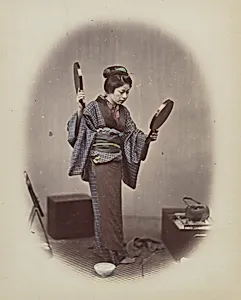
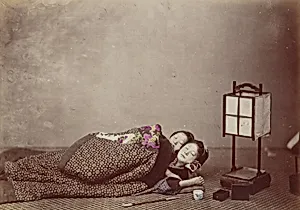
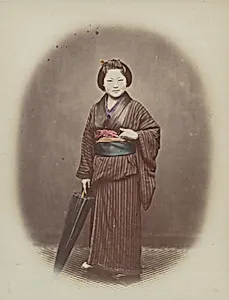
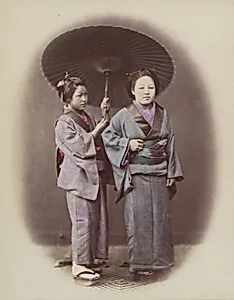
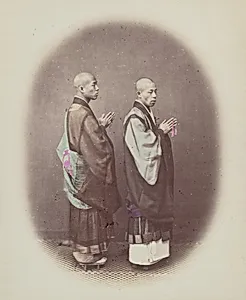
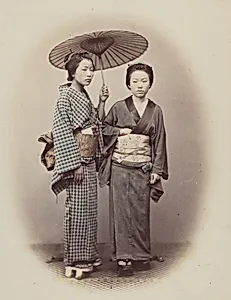
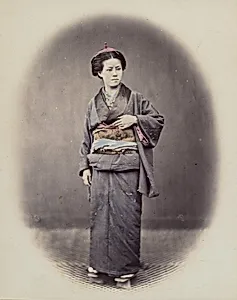
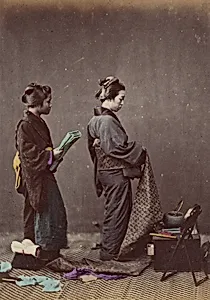
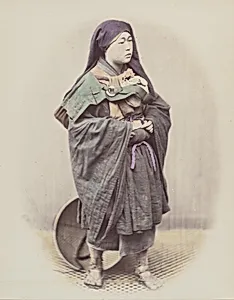
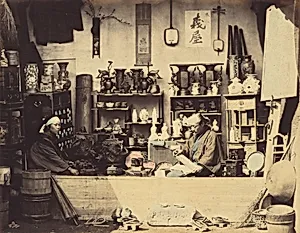
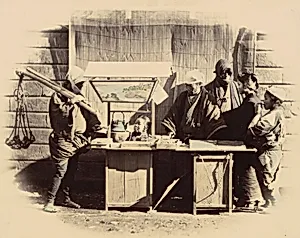
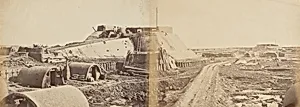
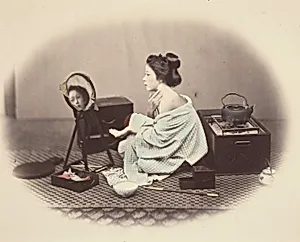
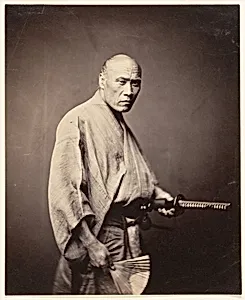
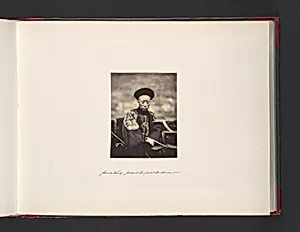
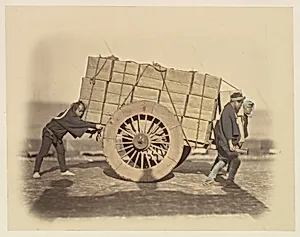
Beato's style blended documentary realism with artistic flair, producing albumen silver prints from wet collodion glass negatives, often meticulously hand-colored by Japanese artists to evoke the vibrancy of ukiyo-e woodblock prints. He worked in the nascent tradition of photojournalism, capturing war's devastation, exotic landscapes, and genre scenes without condescension toward his subjects. His breakthrough came during the Crimean War (1855), photographing Sevastopol's fall; the Indian Rebellion of 1857–1858, including the haunting skeletal remains at Sikandar Bagh palace in Lucknow; and the Second Opium War (1860), with iconic images like the interior of the Taku Forts immediately after capture and the Summer Palace before its destruction. In Japan from 1863 to 1884, he established the influential Yokohama studio "F. Beato & Co.," producing albums such as *Native Types* (1868) and *Views of Japan* (1868), featuring Tōkaidō panoramas and portraits like *Samurai of the Satsuma Clan* (c. 1868).
Later, Beato documented British campaigns in Burma from 1886, capturing Mandalay's Royal Palace and Queen's Silver Pagoda (c. 1889) while running studios and a curios shop. His techniques—panoramic composites, naturalistic coloring, and unflinching depictions of death—revolutionized visual reporting, shifting from sanitized views to raw aftermaths.
Beato's legacy endures as a foundational war photographer and East Asian visual chronicler, influencing successors like Raimund von Stillfried, whom he may have taught, and shaping Western perceptions of Japan through tourist albums that blended ethnography and spectacle. His vast oeuvre, blending technical innovation with cultural sensitivity, remains vital to understanding 19th-century imperialism and modernization.
![The Capture Corean [sic] Standard](https://images.artheonmuseum.org/met/ph/thumb/the-capture-corean-sic-standard-286626.webp)
![[Japanese High Priest in Full Canonicals]](https://images.artheonmuseum.org/met/ph/thumb/japanese-high-priest-in-full-canonicals-764804.webp)
![[Japanese Naval Officer][Studio Portrait: Japanese Man (Tateise Onogero) Standing Holding Hat and Sword]](https://images.artheonmuseum.org/met/ph/thumb/japanese-naval-officer-studio-portrait-japanese-man-tateise-onogero-standing-hol-764805.webp)
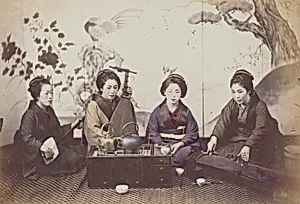
![[Woman with Tea Set Playing the Koto]](https://images.artheonmuseum.org/met/ph/thumb/woman-with-tea-set-playing-the-koto-291981.webp)
![[After the Capture of the Taku Forts]](https://images.artheonmuseum.org/met/ph/thumb/after-the-capture-of-the-taku-forts-283169.webp)
![[Dome of the Rock, Jerusalem]](https://images.artheonmuseum.org/met/ph/thumb/dome-of-the-rock-jerusalem-631032.webp)