Ctrl K
1672–1732
Occupations
Gao Qipei (1660-1734) was a revolutionary Chinese painter of the Qing Dynasty who is recognized as the founding father of finger painting, a technique that discarded the traditional Chinese brush in favor of using hands, fingers, palms, and nails to create paintings. Born into a Manchu military family of nobility, Gao achieved success both as an imperial official, eventually reaching the rank of vice minister at the Ministry of Justice, and as an artist whose technical innovations influenced generations of Chinese painters. Gao Qipei's finger painting technique was not merely a novelty but a profound reimagining of Chinese painting practice. Artists employing his method used different parts of the hand for various effects: drawing lines primarily with the index finger, creating bold ink washes with the palm, and achieving fine details with the fingernail. This approach created distinctive textural effects and immediate, spontaneous qualities that differed from the controlled precision of traditional brush painting. His innovations influenced numerous followers, including members of the famous "Yangzhou Eight Eccentrics" such as Luo Ping, Li Kun, and Huang Shen.
Gao Qipei was born in 1660 in Tieling (in present-day Liaoning Province) to a family of Manchu ethnicity belonging to the military nobility. The Manchus had conquered China in 1644, establishing the Qing Dynasty, and Manchu families enjoyed privileged positions in the new imperial order.
As a member of the Manchu elite, Gao was groomed for government service through classical education in Chinese literature and administrative practice. His family background provided both the financial security to pursue artistic interests and the connections necessary for advancement in the imperial bureaucracy.
Gao pursued a successful career in the Qing court administration, demonstrating the administrative competence valued in Confucian governance. His official responsibilities took him to southern China, where he encountered different regional painting traditions and aesthetic sensibilities that may have influenced his artistic development.
Despite his official duties, Gao maintained serious commitment to painting, viewing artistic practice not as mere recreation but as an essential component of cultivated life. This dual identity as official and artist was common among Chinese literati, who valued artistic accomplishment as evidence of refined character and cultural sophistication.
The origins of Gao's finger painting technique remain somewhat mysterious. According to some accounts, he developed the method through systematic experimentation; other stories suggest it emerged from necessity or inspiration during moments when brushes were unavailable. Regardless of its genesis, Gao transformed this unconventional technique into a sophisticated artistic practice.
Finger painting required completely different technical approaches than brush painting. Artists used their index fingers to draw lines, their palms and backs of hands for bold ink washes and broad areas of tone, and their fingernails for fine details and delicate marks. This direct contact with ink and paper created distinctive textural effects impossible to achieve with brushes.
The technique produced works characterized by immediacy and spontaneity, as the painter's hand moved directly across the paper without the mediating instrument of the brush. This directness appealed to artists seeking to capture the spirit (qi) of subjects with maximum freshness and minimum technical interference.
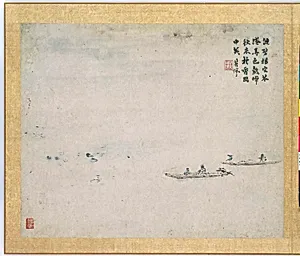
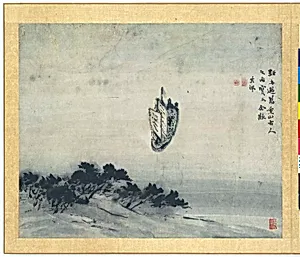
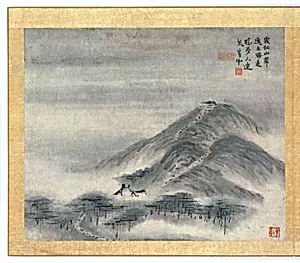
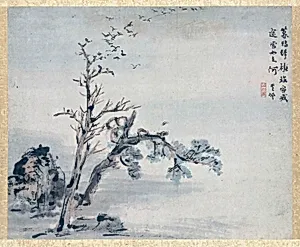
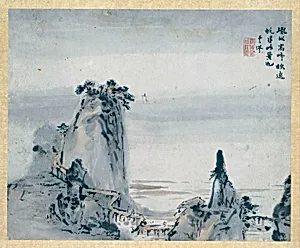
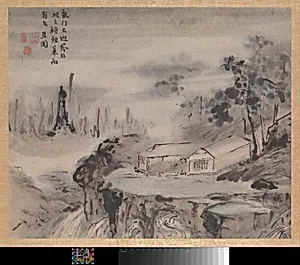
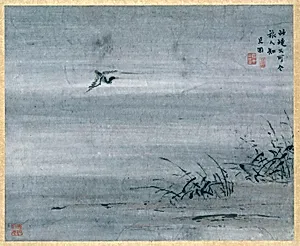
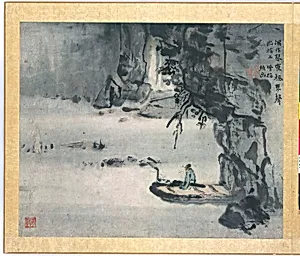
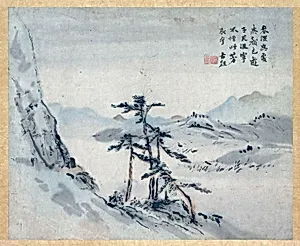
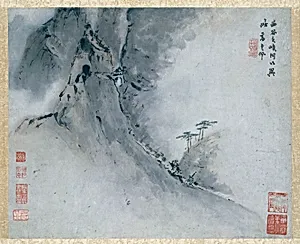
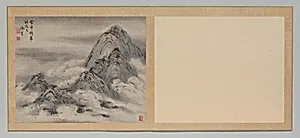
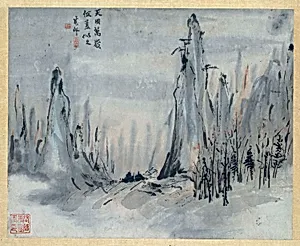
Gao's finger paintings encompassed traditional Chinese subjects: landscapes featuring mountains, water, and mist; studies of animals including his notable depictions of crabs, tigers, and other creatures; figure paintings depicting immortals, scholars, and other personages; and calligraphic works demonstrating that finger technique could produce sophisticated written characters as well as painted images.
As Gao's official career progressed—he eventually reached the rank of vice minister at the Ministry of Justice—his reputation as an innovative painter spread throughout China. His dual achievements in government service and artistic innovation earned him respect in both spheres.
Gao attracted numerous followers who adopted his finger painting technique, creating a school of practice that continued long after his death. Among his most notable artistic descendants were members of the "Yangzhou Eight Eccentrics" (or "Eight Monsters"), a group of individualist painters active in Yangzhou during the mid-eighteenth century.
Luo Ping, Li Kun, and Huang Shen—all associated with the Yangzhou Eight Eccentrics—studied Gao's finger painting methods and incorporated them into their own distinctive styles. These artists were known for their rejection of orthodox painting conventions and their embrace of individual expression, making Gao's innovative technique particularly appealing.
Finger painting became an established alternative tradition within Chinese painting, no longer viewed as mere eccentricity but as a legitimate approach with its own aesthetic principles and technical demands. While never replacing brush painting, finger painting enriched the repertoire of Chinese artistic techniques and embodied values of spontaneity, directness, and individual expression.
In his later years, Gao Qipei continued both his official duties and his painting practice, though the demands of high government office may have limited his time for artistic work. His paintings from this period often showed the accumulated mastery of decades of experimentation with finger technique.
Gao's late works demonstrated that finger painting could achieve the same sophistication, subtlety, and expressive power as traditional brush painting while offering distinctive aesthetic qualities impossible to replicate with conventional tools. This vindication of his innovative technique secured finger painting's place in Chinese art history.
Gao Qipei died in 1734, leaving behind a body of work that had fundamentally expanded the technical possibilities of Chinese painting. His legacy extended beyond his own paintings to include the entire tradition of finger painting that continued through his followers and their successors.
Today, Gao Qipei is remembered not only for his technical innovation but for exemplifying the Chinese literati ideal: the cultivated official who achieves distinction in both governance and artistic practice, demonstrating that administrative competence and creative accomplishment can coexist and mutually reinforce each other.
Artheon Research Team
Last updated: 2025-11-09
Biography length: ~485 words
Wikidata (CC0); Getty ULAN (ODC-By)