Ctrl K
1819
George N. Barnard (1819–1902) was a pioneering American photographer whose six-decade career spanned the dawn of the medium, from daguerreotypes to Civil War documentation. Born into a farming family in Coventry, Connecticut, on December 23, 1819, he lost his father at age seven and apprenticed in family businesses before marrying in 1843 and relocating to Oswego, New York. There, he launched one of the earliest daguerreotype studios in the U.S. around 1846, quickly gaining renown as a portraitist. By 1853, he captured some of the first "news" photographs: hand-tinted daguerreotypes of the Oswego grain elevator fire, and served as secretary of the New York State Daguerrean Association. No formal teachers or art schools shaped his path; Barnard was largely self-taught, embodying the independent spirit of early American photography.
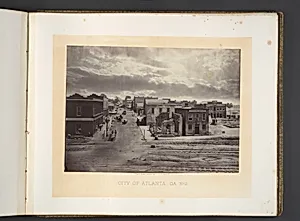
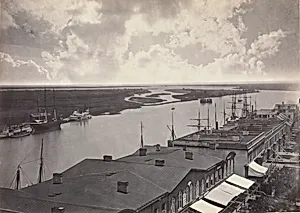
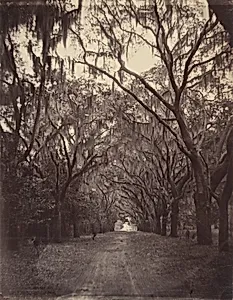
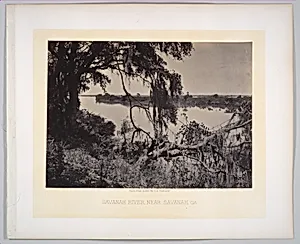
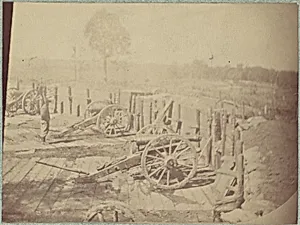
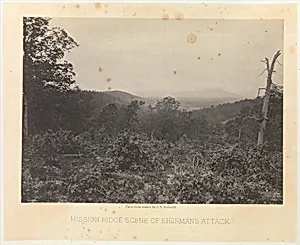
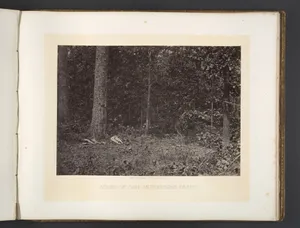
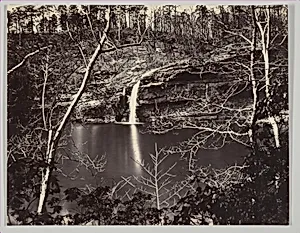
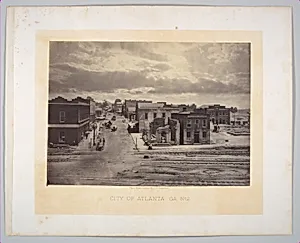
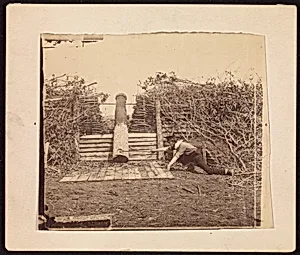
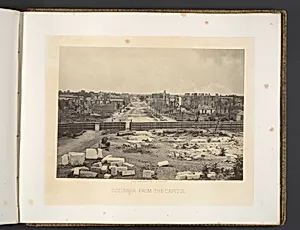
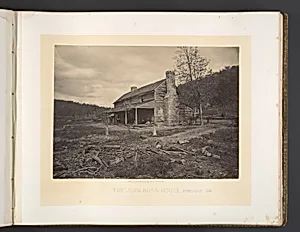
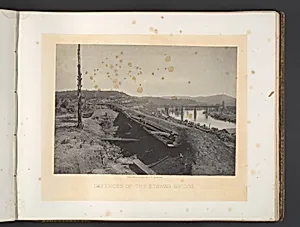
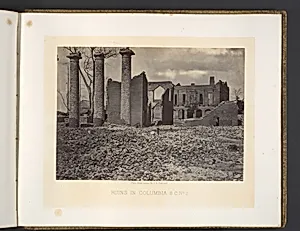
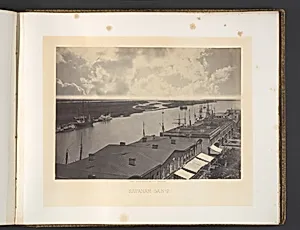
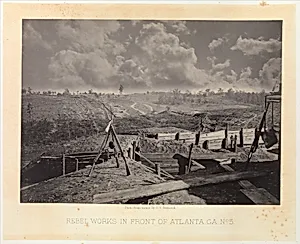
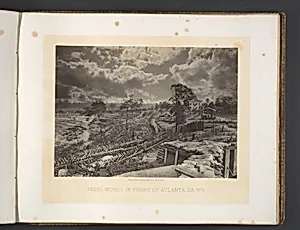
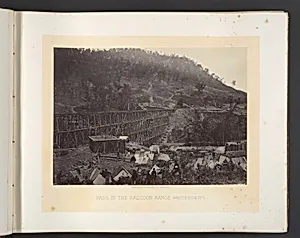
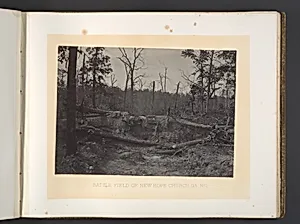
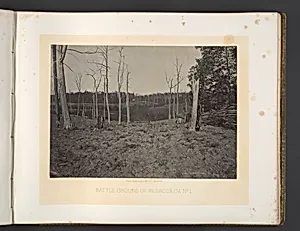
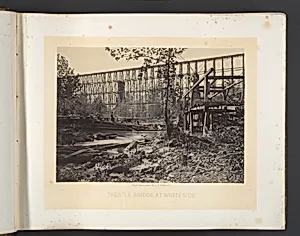
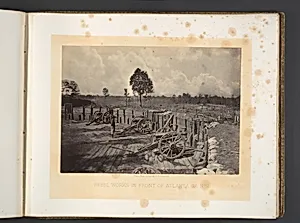
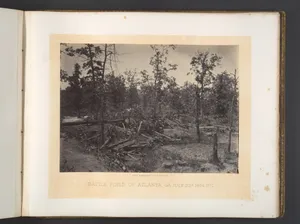
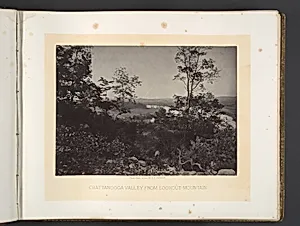
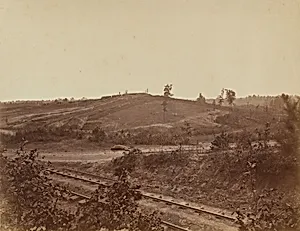
Barnard's pinnacle arrived during the Civil War, when he joined Mathew Brady's Washington gallery in 1861 to photograph Abraham Lincoln's inauguration and early carte-de-visite portraits of leaders. In 1864, he became the official photographer for General William T. Sherman's Military Division of the Mississippi, trailing the campaign from Chattanooga to Atlanta and the March to the Sea with a mobile darkroom on mules and wagon. His documentary style emphasized devastation—shattered forts, ruined cities, and symbolic melancholy, like the skeletal horse at General James McPherson's death site near Atlanta (1864)—often enhanced with dramatic cloud negatives. These culminated in his masterpiece, *Photographic Views of Sherman's Campaign* (1866), a lavish album of 61 albumen prints depicting sites from Nashville to Savannah, including "Rebel Works in Front of Atlanta, No. 1" (1864) and a group portrait of Sherman and his generals.
After the war, Barnard operated studios in Charleston, Chicago (destroyed in the 1871 fire), and Painesville, Ohio, while mentoring George Eastman in Rochester and promoting dry-plate processes. He died at his daughter's home in Cedarvale, New York, on February 4, 1902. His legacy endures as a testament to photography's power to record history's scars, with works in the Metropolitan Museum, Library of Congress, Getty, and Smithsonian, influencing generations of photojournalists. Barnard's images not only chronicled Sherman's march but humanized its toll, securing his place among Civil War visual pioneers.