Ctrl K
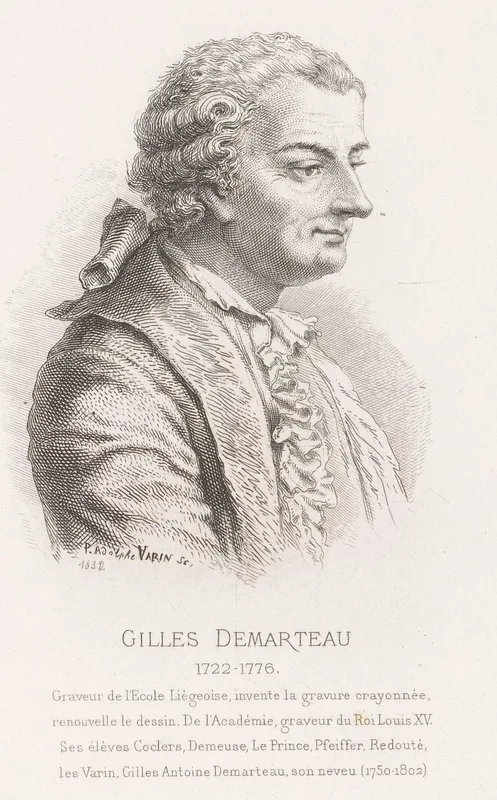
1729–1776
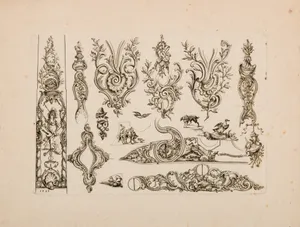
Gilles Demarteau the Elder, born on January 19, 1722, in Liège, began his career steeped in the craft of metalwork. The son of a gunsmith, he learned engraving and goldsmithing from his father before moving to Paris around 1748–1750 to join his brother, who worked as a goldsmith for the engraver De Lacollombe, renowned for firearm ornament designs. Demarteau trained in De Lacollombe's workshop as a *graveur-ciseleur*, honing skills in print engraving and metal decoration. By 1746, at age 24, he had achieved master status as an engraver-carver on all metals, producing early works like ornamental sheets for rifles, pistols, and snuffboxes, as well as illustrations for La Fontaine's *Fables*.
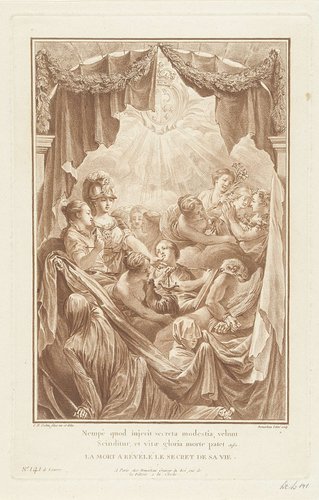
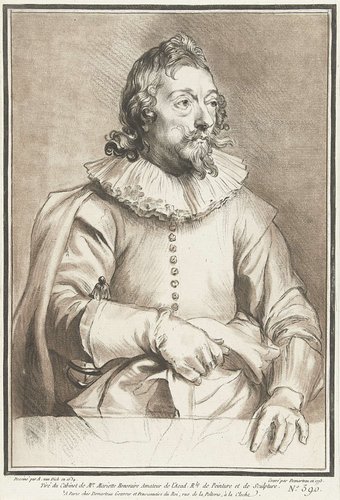
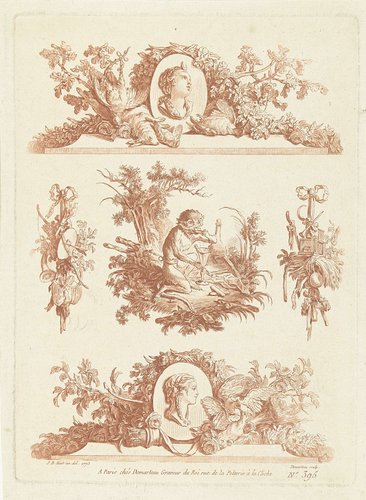
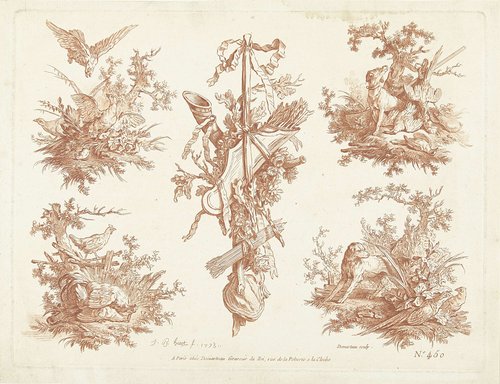
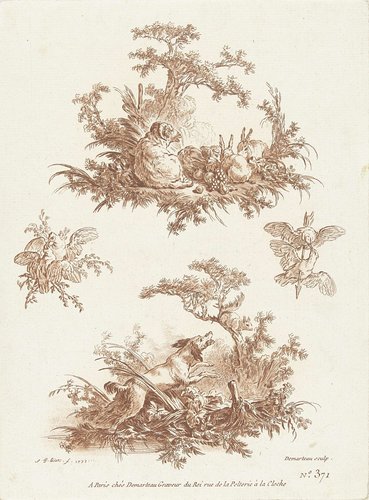
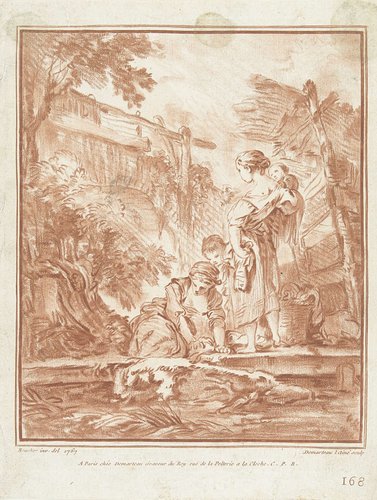
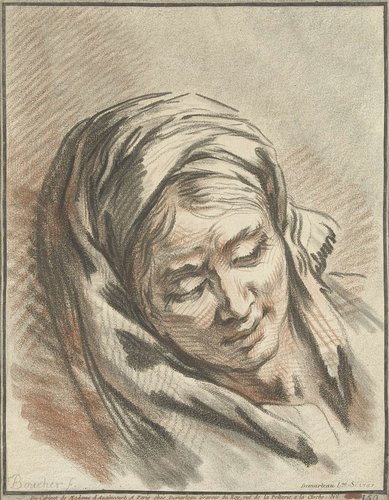
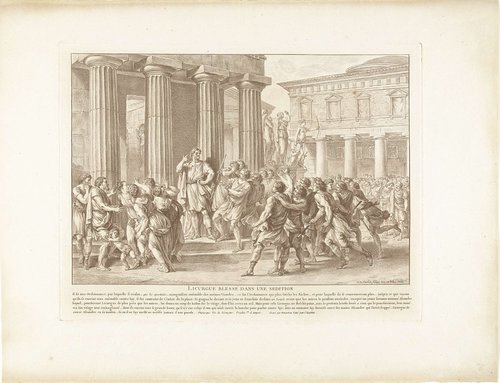
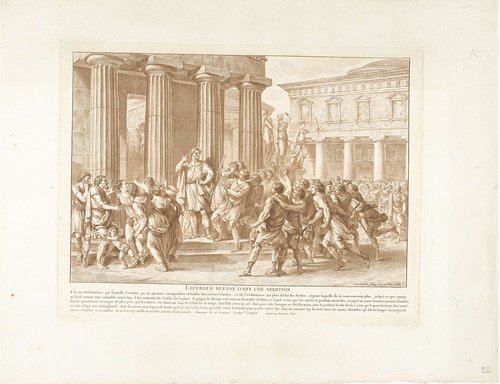
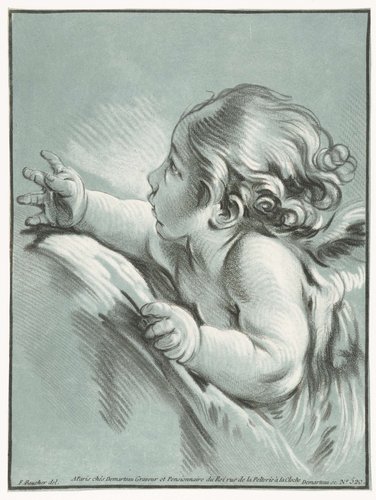
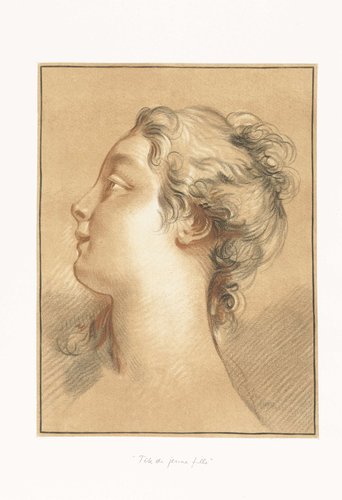
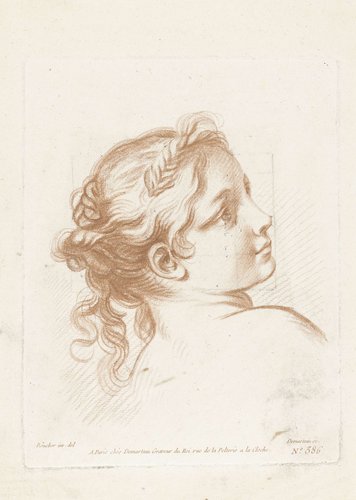
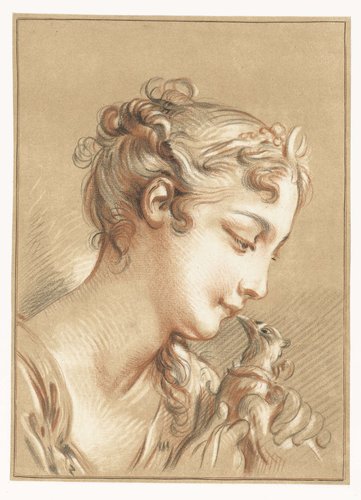
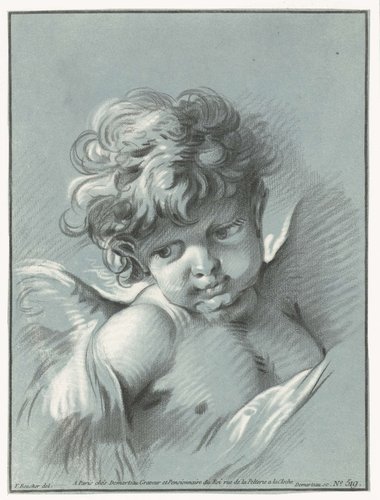
Settling permanently in Paris in 1755 at Rue de la Pelleterie under the sign "à la Cloche," Demarteau established a prolific workshop and became a pioneering publisher. His salon boasted paintings by François Boucher, Jean-Baptiste Huet, and Jean-Honoré Fragonard. A breakthrough came in 1756 with his engraving of *Trophies* after Antoine Watteau, where he adapted goldsmith's chasing tools and marking-wheels to create shaded lines, laying groundwork for the *crayon manner*—a stipple technique mimicking sanguine chalk drawings, often printed in red ink. Collaborating with Jean-Charles François (until a 1757 dispute over the technique's invention), Louis-Marin Bonnet, Alexis Magny, and others, he perfected this method, producing about 300 plates after Boucher alone. In 1767, he unveiled two-color plates to the Académie Royale; by 1769, he was admitted for *Lycurgus* after Charles-Nicolas Cochin; and in 1770, appointed King's engraver with a pension.
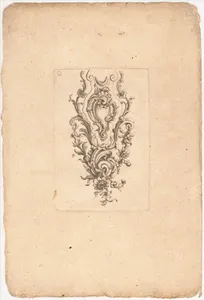
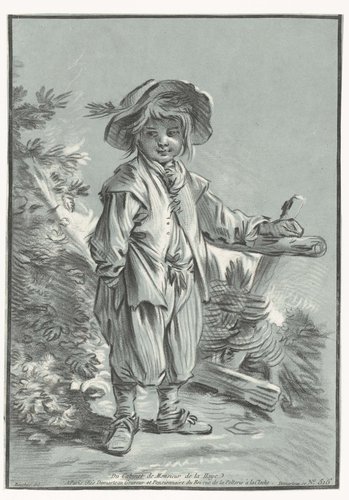
Demarteau's oeuvre spanned roughly 560 numbered plates, including a 1750–55 firearms decoration pattern book, 40 drawing manuals after artists like Jean-Pierre Houël and Edmé Bouchardon, and late reproductions of Raphael and Michelangelo. Standouts feature *Head of an Old Man*, *A Peasant Boy*, and *Nude Female Figure with Putti* after Boucher, plus *Group of Soldiers* after Charles-André van Loo. His affordable, technically brilliant prints democratized elite drawings for domestic decoration, earning praise from Denis Diderot. Upon his death on July 31, 1776, his nephew Gilles Antoine Demarteau inherited the workshop, ensuring the family's legacy in French reproductive printmaking. Demarteau's crayon manner innovations bridged painting and print, capturing the Rococo era's playful elegance in enduring form.